
Pruning timing depends on the plant, the reason for pruning, and local disease or weather conditions. For many deciduous trees and shrubs, late winter or early spring dormancy is a good general window, but spring-flowering shrubs are commonly pruned after bloom, some plants have disease-specific timing restrictions, and hazardous or storm-damaged limbs should be handled when safety requires it.
Seasonal snapshot: Use winter for structure and dormant pruning, spring for post-bloom pruning of many early-flowering shrubs, summer for light corrective work and certain hedges, and fall mainly for cleanup rather than heavy pruning. Always identify the plant first because bloom cycle, species biology, and regional disease pressure can change the best timing.
Why Timing Changes the Result
Pruning removes living tissue and changes how a plant allocates energy, produces new shoots, carries flowers, and responds to wounds. The same cut can have a different effect depending on whether the plant is dormant, actively growing, setting flower buds, or entering winter.
The University of Minnesota Extension’s current guide to pruning trees and shrubs identifies late dormancy as the best period for most pruning while also listing important exceptions. That is the key idea for homeowners: seasonal rules are useful, but plant-specific rules take priority.
Late Winter: The Main Structural Pruning Window
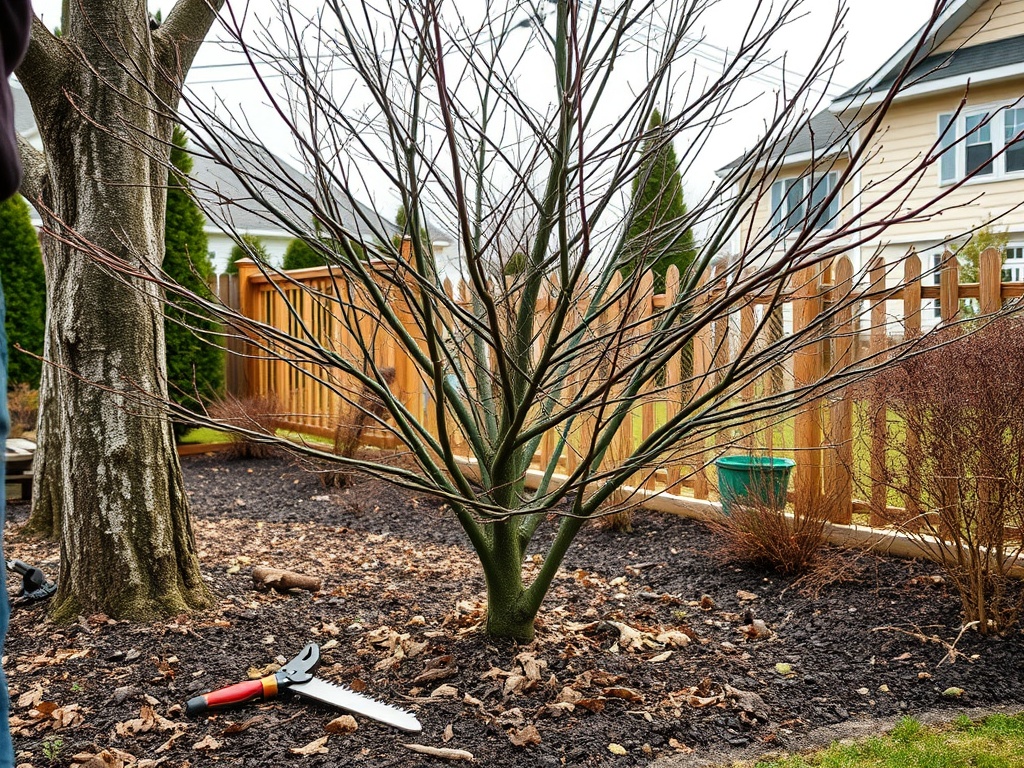
When deciduous plants are leafless, branch structure is easier to see. Crossing limbs, dead wood, narrow attachments, watersprouts, suckers, and crowded interior branches stand out more clearly. For many trees and non-spring-flowering shrubs, late winter pruning also allows cuts to be made shortly before active growth resumes.
Start with dead, broken, diseased, or rubbing branches. Make selective thinning cuts rather than indiscriminately shortening every shoot. For larger branches, use a proper multi-cut method to reduce bark tearing and cut just outside the branch collar rather than leaving a long stub or cutting flush against the trunk.
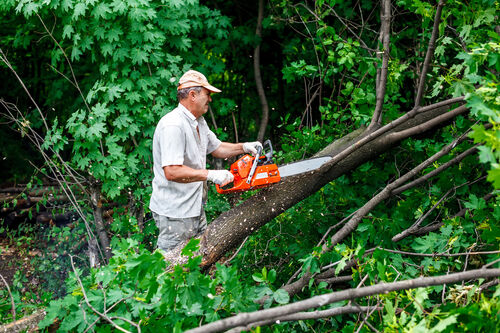
Large-tree work is different from shrub pruning. Branches over structures, streets, or occupied areas can involve significant fall and rigging hazards. Never prune near overhead utility lines; contact the utility or a qualified tree professional instead.
Spring: Follow the Flowers
Many shrubs that bloom early in spring form flower buds on growth produced the previous year. Pruning them heavily in late winter can remove the coming season’s flowers. For these plants, the usual approach is to prune soon after blooming, giving the shrub time to produce new growth and set buds for the following year.
Examples often placed in this category include forsythia, lilac, some spireas, and flowering cherries or plums, although exact timing varies by species and climate. Penn State Extension likewise notes in its tree and shrub guidance that spring-flowering shrubs are generally pruned after flowering, while shrubs that bloom later on new growth can often be pruned in late winter.
Spring is also a good time to reassess winter damage. Wait until you can distinguish live tissue from dead tips when necessary, then remove clearly failed growth with clean tools.
| Season | Best suited to | Main caution |
|---|---|---|
| Late winter | Structural pruning, many deciduous trees, many summer-flowering shrubs | Do not remove flower buds from spring bloomers by mistake |
| Spring after bloom | Many early-flowering shrubs | Prune soon enough to allow new growth and next year’s bud formation |
| Summer | Light shaping, hedge maintenance, selective correction | Heavy pruning can stress plants during heat or drought |
| Fall | Deadwood cleanup and limited safety work | Heavy pruning can stimulate tender growth or leave wounds exposed before winter |
Summer: Keep It Selective
Summer pruning can be useful when you need to slow vigorous growth, remove a small problem branch, shape a hedge, or deal with a plant whose timing makes summer more appropriate. It is also easier to see how a branch affects shade, clearance, and the plant’s fully leafed form.
The downside is stress. Hot, dry weather already increases water demand, and removing a large amount of foliage reduces photosynthetic capacity. Avoid aggressive pruning during drought or heat unless safety requires it. Water-stressed plants benefit more from stable care than from a major reshaping project.
Some species also have disease-related restrictions on when they should be pruned. Those rules can be highly regional. The Minnesota Extension guide, for example, includes specific timing advice for oaks in relation to oak wilt risk. Do not generalize that calendar nationwide. Check your local Cooperative Extension or state forestry guidance before pruning a disease-sensitive species.
Fall: Resist the Urge to Do Everything
Autumn cleanup can make the yard look orderly, but fall is not automatically the best time for major pruning. Cutting back healthy woody growth may stimulate new shoots during warm spells, and those shoots may not harden before cold weather. For many trees and shrubs, waiting until dormancy is safer and makes structure easier to evaluate.
Fall is still appropriate for removing clearly dead, broken, or hazardous material. It is also a useful season to mark branches that need winter attention, clean and sharpen tools, and review plant-specific timing so you are ready when the correct window arrives.
If you organize home and garden work by season, winter can also be a practical time for indoor planning such as a home energy audit while major outdoor growth is paused. Smaller interior projects, including decisions about cabinet hardware finishes, can fill periods when weather makes pruning inappropriate.
Prune for a Reason, Not Because the Calendar Says So
Before every cut, identify the purpose. Health pruning removes dead, diseased, rubbing, or damaged branches. Structural pruning develops strong architecture, especially in young trees. Clearance pruning creates space around paths, buildings, or sight lines. Flowering and fruiting pruning manages the balance between vegetative growth and reproductive growth. Size control is usually the weakest reason if the plant was simply placed in a space too small for its mature form.
Avoid tree topping. Removing large portions of the crown with indiscriminate heading cuts can create weakly attached shoots and long-term structural problems. If a mature tree is too large or hazardous, an arborist can evaluate reduction pruning, removal, or other options.
Tool Hygiene and Cut Quality Matter in Every Season
Use bypass pruners for small live stems, loppers for larger material within the tool’s rated capacity, and pruning saws for larger branches. Keep blades sharp, and clean tools between plants when disease transfer is a concern.
Do not automatically paint or seal pruning wounds; disease-specific exceptions exist, so follow local guidance.
Common Timing Errors
A frequent mistake is pruning every shrub in late winter because the yard is dormant. That works for many plants but can remove flower buds from spring bloomers. Another is shearing repeatedly when selective thinning would preserve a more natural structure. A third is trying to correct years of overgrowth in one session; gradual renewal pruning is often less stressful for multi-stem shrubs.
Let the Plant Set the Calendar
Seasonal pruning is easiest when you start with plant identity, bloom timing, local disease concerns, and the purpose of the cut. Use late winter as the general structural window, shift spring bloomers to post-flowering care, keep summer work light, and avoid heavy fall pruning unless the species and climate support it.
Your next step is simple: identify each tree or shrub before pruning, then check your local Extension recommendation for that species and region before making major cuts.
Informational note: Pruning guidance is educational and may not fit every species, climate, pest situation, or local regulation. For large trees, hazardous limbs, utility conflicts, or uncertain disease issues, use a qualified arborist or local Extension professional.[/