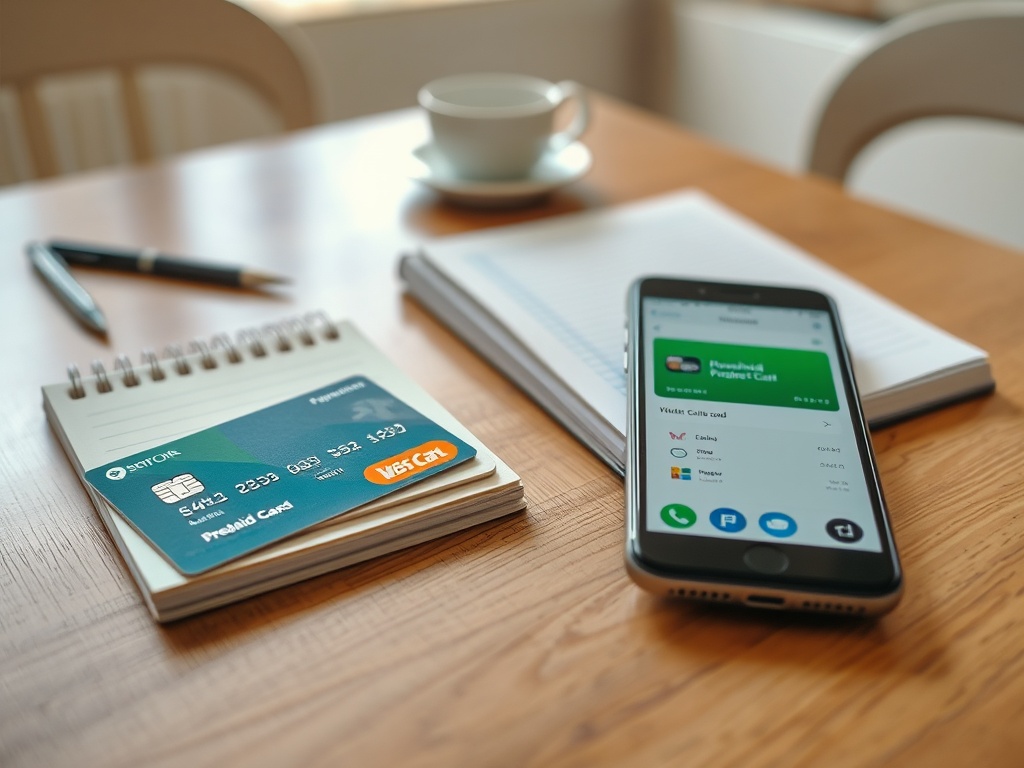

This article answers the practical search intent directly, then compares the main decision factors, risks, and next steps in plain English.
Quick Takeaways
- Checking accounts usually work best for people who want direct deposit, bill pay, transfers, checks, and a longer-term banking relationship.
- Prepaid debit cards may help people who need spending controls or cannot qualify for a standard account, but fees and protections vary.
- The better choice depends on eligibility, fee behavior, account access, deposit insurance, and how the card will be used each week.
The Core Difference in Plain English
A checking account is a deposit account at a bank or credit union, typically built for receiving income, paying bills, using a debit card, transferring money, and storing short-term cash. A prepaid debit card is usually loaded with funds before use and may not require the same account-opening process as a traditional checking account. Both can support daily spending, but they are not interchangeable.
The key distinction is relationship depth. A checking account often connects to a broader financial profile, including savings accounts, overdraft choices, direct deposit, bill pay, and potential future lending relationships. A prepaid card is usually more limited. That can be useful for budgeting, but it can also create friction if the user later needs checks, account history, wire transfers, or easier proof of banking activity.
Costs That Matter More Than the Label
| Feature | Checking account | Prepaid debit card |
|---|---|---|
| Best fit | Main account for income, bills, and transfers. | Controlled spending or temporary account access. |
| Common costs | Monthly fees, overdraft fees, out-of-network ATM fees. | Activation, reload, ATM, inactivity, or service fees. |
| Eligibility | May require ID, screening, and account approval. | Often easier to obtain, but registration may be needed for full features. |
| Protection | Deposit insurance if held at an insured institution. | Depends on card structure and pass-through insurance conditions. |

The cheapest option is not always obvious from the product name. Some checking accounts charge monthly maintenance fees unless the customer meets waiver conditions, such as direct deposit or minimum balance rules. Some prepaid cards charge activation, reload, ATM, inactivity, or customer-service fees. The CFPB’s prepaid account materials explain that prepaid protections include upfront fee information, which can help consumers compare cards before choosing one.
A practical comparison should focus on actual behavior. Someone who reloads cash several times a month may pay more on a prepaid card than expected. Someone who frequently overdrafts may find a checking account expensive unless overdraft features are declined or carefully controlled. A person with steady direct deposit may qualify for checking fee waivers that make the account less costly than a prepaid card.
Safety, Insurance, and Dispute Protection
Money in a checking account at an FDIC-insured bank is generally covered by FDIC deposit insurance up to applicable limits and ownership categories. Credit unions have separate federal insurance through the NCUA. Prepaid card protection depends on the structure of the program and whether funds are held in a way that qualifies for pass-through deposit insurance. Users should not assume every card has the same protection.
Dispute rights also differ by product type and situation. A checking account with a debit card and a registered prepaid account may offer error-resolution protections, but the process, deadlines, and documentation can matter. Keep receipts, screenshots, deposit records, and transaction alerts. Families organizing financial access may also want to keep card and account details in How to Create a Personal Finance Emergency Binder for Your Family.
When a Checking Account Is Usually Stronger
A checking account is usually stronger when the user wants a durable financial hub. Direct deposit, rent payments, utility bills, peer transfers, debit spending, and savings transfers can all sit in one place. Account statements may also help with apartment applications, tax organization, immigration paperwork, or future loan documentation, depending on the situation.
Checking can be less ideal when fees are hard to waive, the user has had prior account closures, or overdraft risk is high. In those cases, a second-chance account, low-fee credit union account, or basic banking product may be worth comparing before defaulting to prepaid.
When a Prepaid Debit Card Can Make Sense
A prepaid card can be useful for controlled spending, travel money separation, a teen’s allowance, gig income separation, or temporary access when a bank account is not available. The card can limit spending to loaded funds, which some people prefer. It may also avoid overdraft surprises if the product is structured to reject transactions beyond the available balance.
The trade-off is that prepaid cards can be less flexible. Reload access, ATM networks, cash withdrawal limits, replacement card rules, and fee schedules can vary. Anyone relying on a prepaid card as a main account should check how quickly wages can be received, whether statements are easy to download, and what support is available during fraud or loss.
A Decision Framework for Daily Spending
Choose checking when you need a main financial base, can meet fee waiver requirements, want direct deposit and bill pay, and value deposit-account history. Consider prepaid when you need spending limits, cannot open a checking account yet, or want a separate short-term spending tool. Compare at least two options before opening either one.
The future of app-based cards and account tools is also changing, so readers interested in newer financial experiences can review The Future of Embedded Finance in Everyday Apps. Educational note: This article is for informational purposes only and does not provide financial, legal, tax, lending, or regulatory advice.
Real-Life Spending Scenarios
For rent, payroll deposits, utilities, insurance premiums, and recurring bills, checking accounts often provide stronger infrastructure. The user can receive deposits, schedule payments, document transactions, and connect to savings. That does not mean every checking account is low-cost, so fee waivers and overdraft choices still deserve close review.
For travel, allowance control, short-term budgeting, or separating a limited spending amount, prepaid cards can be useful. The card can act like a boundary. Once the loaded funds are gone, spending usually stops unless the product has linked funding or other features. That simplicity can be helpful when the goal is discipline rather than broad account functionality.
Questions to Ask Before Choosing
How will money be loaded? How often will cash be withdrawn? Are there in-network ATMs nearby? Is direct deposit available? Can the user lock the card quickly? Is customer support reachable? Are statements easy to download? These questions matter more than the name of the product.
Also consider future needs. A person who only needs a spending card today may need rental documentation, credit building, loan records, or direct deposit later. Choosing a checking account early can support that path if the account is affordable and manageable.
A Simple Final Test
Choose the product that supports the next six months of real behavior, not an ideal version of behavior. If overdraft temptation is the main problem, a prepaid card or overdraft-free account may help. If bill organization and recordkeeping are the main goals, checking may be stronger.
Review terms before loading wages or moving bill payments. Switching later is possible, but it can be inconvenient when direct deposit, subscriptions, and household payments are already connected.
Checking vs Prepaid Debit Cards Practical Review Steps
Turn the topic into a written review rather than a quick mental judgment. Write down the decision you are trying to make, the accounts or products involved, the people affected, the documents needed, and the deadline. This slows the process enough to reveal gaps without making the decision unnecessarily complicated.
Separate facts from assumptions. Facts include written terms, official notices, account agreements, posted fees, confirmed balances, and regulatory disclosures. Assumptions include expected income, hoped-for approval, future returns, family cooperation, or a provider’s informal explanation. Treat assumptions as items to verify before acting.
Checking vs Prepaid Debit Cards Mistakes That Create Extra Risk
One common mistake is deciding from convenience alone. Financial tools are designed to reduce friction, but less friction can also reduce reflection. Slow down when a choice affects debt, legal rights, family access, tax records, insurance coverage, identity security, or long-term cash flow.
Another mistake is treating a general article, social post, or product page as personalized advice. Educational content can explain the questions to ask, but it cannot know every account, state law, family obligation, immigration status, tax issue, or contract term that applies to a reader. Use content as preparation for better questions.
Checking vs Prepaid Debit Cards Careful Next Move
The next move is to gather the documents, compare the actual terms, and decide what problem you are solving. Avoid acting only because an offer is available, an app makes it easy, or a deadline feels stressful. Good financial decisions usually become clearer when the goal, cost, risk, and exit path are written down.
If the topic affects another person, such as a spouse, parent, adult child, business partner, or caregiver, include that person in the recordkeeping process where appropriate. Financial clarity is not only about choosing products. It is also about making sure the right people can understand and act on the decision when needed.