
The biggest raised bed gardening mistakes happen before seeds go in: poor site selection, shallow or unsuitable soil, blocked drainage, beds that are too wide to reach comfortably, and unrealistic planting density. Good raised beds are simple systems built around light, root space, water movement, access, and soil health.
Raised-bed reality check: Choose a sunny, accessible site for sun-loving crops, build to a width you can reach without stepping into the soil, fill the bed with a balanced soil-based mix rather than pure compost, protect drainage, and plan irrigation before summer heat arrives. Then improve the soil each season instead of replacing it.
Mistake 1: Building Before Checking Sun and Access
A raised bed cannot compensate for a site that misses the crop’s light needs. Fruiting vegetables often need substantial direct light, while leafy crops may tolerate less. Observe the site across the day before construction, especially in spring and summer when trees are leafed out.
You should also be able to reach the center without stepping into the bed. Repeated foot traffic compacts soil and defeats one of the main benefits of a raised system. A bed accessible from both long sides can be wider than one against a fence, but dimensions should reflect the gardener’s reach.
Locate water nearby. A beautiful bed at the far edge of a property becomes harder to manage when every irrigation cycle requires dragging a hose through the yard. If mobility is a concern, consider bed height, path width, turning space, and the weight of hoses or watering cans.
Mistake 2: Filling the Bed With Pure Compost
Compost is valuable, but a raised bed does not need to be a box of compost. Penn State Extension’s 2026 guide to soil health in raised beds recommends a soil-and-compost mix and emphasizes maintaining aggregation, organic matter, and soil cover over time.
A soil-based blend provides mineral structure and can support more stable water and nutrient behavior than an overly organic mix. Exact recipes vary with local soil, compost quality, crop, climate, and bed construction, so avoid treating any single internet formula as universal.
Use compost from a reputable source and learn what it contains. Unfinished compost, excessive salts, herbicide residues in manure or hay-derived materials, or inconsistent bulk blends can create problems that are difficult to diagnose after planting.
Mistake 3: Blocking Drainage
Raised beds are often chosen because they can improve drainage, but that advantage disappears when the bottom is sealed or the bed sits in a poorly drained depression. Water needs somewhere to go. On native soil, many beds can remain open-bottomed so roots, water, and soil organisms can interact with the ground below.
If you need to exclude burrowing animals, use an appropriate mesh that still allows water movement. Landscape fabric, plastic liners, solid wood floors, and other barriers should not be added automatically. Their suitability depends on the bed design, contaminants, invasive roots, drainage needs, and local conditions.
Beds placed near structures require extra care. Do not pile soil against siding, cover weep holes, obstruct drainage paths, block vents, or hide termite-inspection zones. If exterior-envelope work has been recommended through a home energy audit, coordinate that work before installing a permanent bed against or near the house.
Mistake 4: Making the Bed Too Deep or Too Shallow Without a Reason
Depth should match the crop, the underlying soil, accessibility goals, and construction budget. A raised frame over good native soil does not always need to hold the entire root zone because roots can extend below the frame. A tall accessible bed, a bed over pavement, or a site with contaminated or unsuitable native soil is a different design problem and may need greater contained depth.
Mistake 5: Planting at Full Density on Day One
New raised beds look spacious, making overplanting easy. Seedlings then expand, shade each other, reduce airflow, and make harvesting difficult. Use mature plant spacing as the planning reference unless you are intentionally using an intensive method you understand and can manage.
Vertical supports can increase productive area for peas, beans, cucumbers, and some tomatoes, but place trellises so they do not shade shorter crops unnecessarily. Consider prevailing sun direction and seasonal sun angle. Succession planting can also use space efficiently without crowding multiple mature crops into the same square foot at the same time.
Mistake 6: Letting the Surface Stay Bare
Bare raised-bed soil heats, dries, crusts, and erodes more readily. Organic mulch can moderate temperature, conserve moisture, and reduce weed pressure during the growing season. Cover crops can protect and feed the soil between main crops when the climate and rotation allow.
Penn State’s raised-bed soil guidance highlights keeping soil covered and minimizing unnecessary disturbance as core soil-health practices. Treat the bed as a living soil system rather than a container that must be emptied and refilled each spring.
Mistake 7: Watering Shallowly and Often
A light sprinkle can wet the surface while leaving deeper roots dry. Watering depth and frequency depend on soil, crop, weather, bed depth, mulch, and plant maturity, so fixed daily schedules are unreliable.
Drip tubing or soaker lines can apply water closer to the root zone and reduce wet foliage compared with overhead watering. Whatever system you use, check moisture below the surface. In hot weather, raised beds can dry faster than surrounding ground because more soil is exposed to air.
Mistake 8: Treating Soil Level Drop as a Reason to Replace Everything
Raised-bed mixes settle as organic matter decomposes. Top-dress with quality compost or soil amendments based on need rather than replacing the entire bed contents. Soil testing can guide nutrient and pH decisions after repeated seasons.
Mistake 9: Ignoring Crop Rotation and Plant Health
A small bed makes crop rotation harder, but repeating related crops in the same soil can increase disease and pest pressure for some problems. Keep basic notes about what grew where, especially for tomatoes, peppers, potatoes, cucurbits, and brassicas.
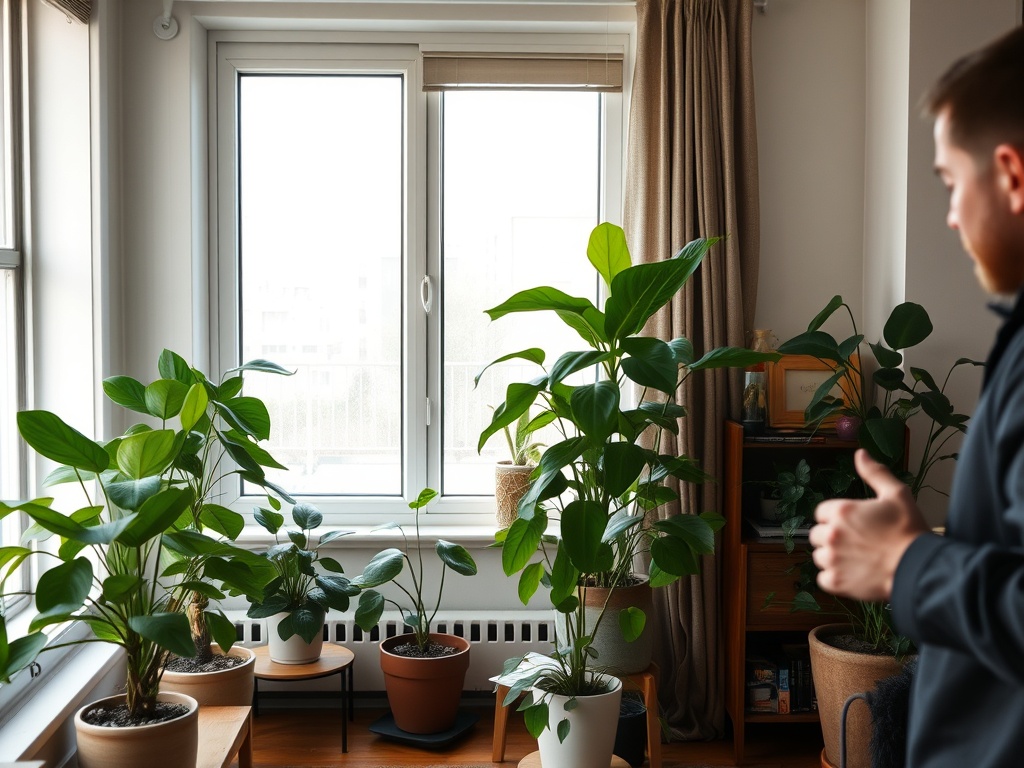
Start with healthy transplants. If you raise seedlings indoors, common indoor-care mistakes can weaken plants before they reach the garden. The related guide to indoor plant care mistakes is useful for understanding drainage, light, and watering during that early stage.
Remove diseased plant material when local guidance recommends it, sanitize supports if a known pathogen warrants it, and avoid composting material that should not go into a home compost system. Local Extension advice is valuable because pest and disease cycles vary by region.
Mistake 10: Building a Bed You Cannot Maintain
Wood rots, metal heats, fasteners loosen, irrigation clogs, paths grow weeds, and soil settles. None of those issues make raised beds a bad choice; they simply mean the structure is part of the garden system and needs maintenance.
Before construction, think about how you will replace a side board, access irrigation, move compost, and reach every planting area. Durable design is less about choosing a fashionable material and more about making routine maintenance possible without dismantling the garden.
Set the Bed Up for Easier Seasons
A raised bed succeeds when the site, soil, drainage, dimensions, irrigation, and planting plan work together. Avoid pure-compost fills, blocked bottoms, inaccessible widths, fixed watering schedules, and unnecessary yearly soil replacement. Build once with maintenance in mind, then improve the soil gradually through compost, mulch, roots, and thoughtful crop management.
For the next step, mark the proposed bed footprint with stakes or cardboard, observe a full day of sun, test your reach from the paths, and confirm how water will enter and leave the bed before buying materials.
Informational note: Raised-bed recommendations are educational and depend on climate, soil, crops, building conditions, and local regulations. Test soil when contamination or nutrient issues are possible, follow pesticide labels, and consult local Extension guidance for region-specific crop and pest advice.[/