
Most beginner houseplant problems come from a mismatch between the plant and its environment, not from a lack of effort. Overwatering, weak light, poor drainage, rapid changes in exposure, unnecessary repotting, and treating every yellow leaf as a pest problem can all make a stressed plant worse.
Care reset: Identify the plant, learn its normal light and moisture preferences, check the pot and drainage, and change one variable at a time. A predictable routine built around observation is usually more useful than watering on a fixed calendar or reaching for fertilizer whenever growth slows.
Mistake 1: Watering by the Day of the Week
A schedule can remind you to check plants, but it should not automatically trigger watering. Soil dries at different rates depending on plant size, pot material, root mass, temperature, humidity, light, airflow, and season. Watering every Saturday may be too often in winter and not often enough during active summer growth.
Penn State Extension's recent discussion of watering myths emphasizes that water needs vary by plant, soil, weather, growth stage, and location. For houseplants, the practical version is simple: check the potting mix and the plant before you water.
Learn what "dry enough" means for the species. Some plants prefer the upper layer of mix to dry before watering, while others prefer more even moisture. Lift small pots to learn their wet and dry weight. For larger pots, use a finger, wooden skewer, or moisture check appropriate to the container depth instead of trusting the surface alone.
Mistake 2: Treating More Water as the Cure for Wilting
Wilting can mean a plant is dry, but it can also occur when roots are damaged by prolonged saturation and cannot function normally. If the potting mix is already wet, adding more water can intensify the problem.
Look for context. Dry mix pulling away from the pot edge suggests a different problem from soggy mix with a stale smell, algae, or persistently dark roots. Penn State's current guide to diagnosing poor plant health lists both overwatering and underwatering among possible causes of wilt, which is why symptoms should not be interpreted in isolation.
Mistake 3: Ignoring Drainage
Decorative cachepots and ceramic covers can hide standing water. A plant may appear to be in a beautiful container while its nursery pot sits in drainage water for days. That creates low-oxygen conditions around roots and can contribute to root decline.
Use pots with drainage holes for most conventional houseplant setups, and empty excess water from saucers or cachepots after irrigation. Penn State's repotting guidance specifically notes the importance of drainage holes and allowing excess water to leave the potting mix.
Do not create a "drainage layer" of rocks as a substitute for a hole. The container still needs a route for water to exit. If a decorative vessel cannot be drilled safely, keep the plant in a separate inner pot with drainage.
Mistake 4: Putting Every Plant in the Brightest Window
"Bright" is not a universal plant need. Many common tropical foliage plants evolved under filtered canopy light, while cacti and many succulents prefer much stronger exposure. Moving a shade-tolerant plant directly from a dim store shelf to intense afternoon sun can scorch leaves even if the species can eventually tolerate brighter conditions.
The University of Minnesota Extension's 2026 spring houseplant care guidance recommends easing plants into brighter spring light rather than making an abrupt jump. Acclimation matters whenever exposure changes significantly.
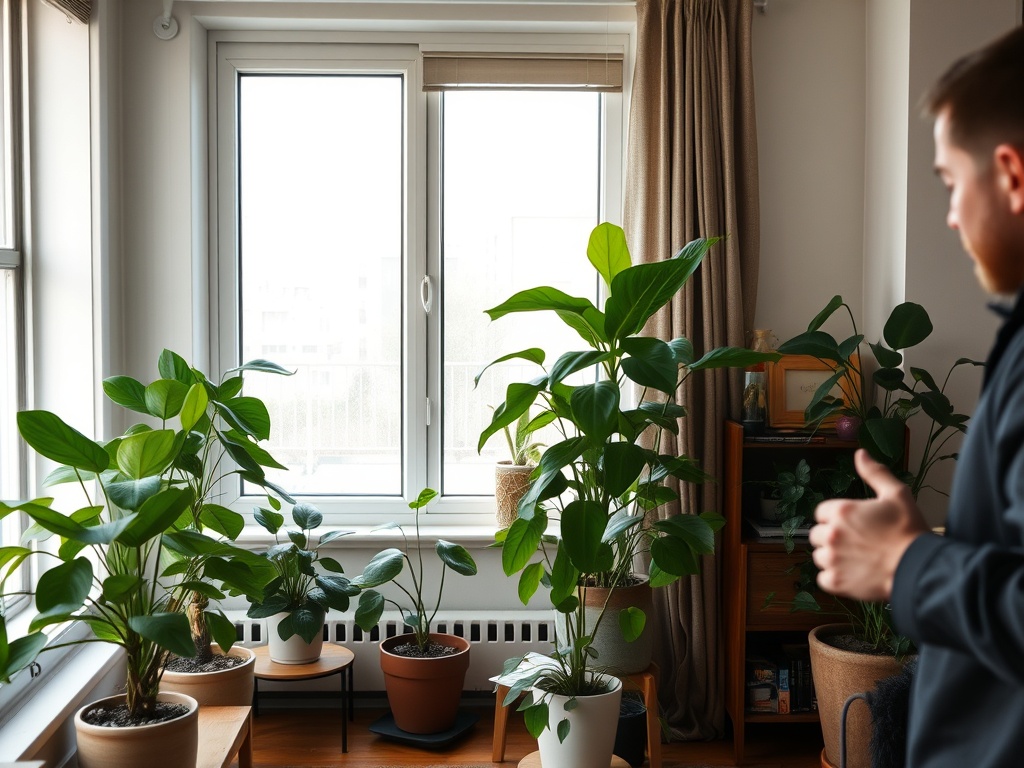
Use direction and duration, not just distance from a window, to judge light. South- and west-facing glass can produce intense sun in many Northern Hemisphere locations, while deep rooms may be much darker than they appear to human eyes. Local climate, window coatings, neighboring buildings, trees, and seasonal sun angle all change the result.
Mistake 5: Repotting Too Soon or Jumping to an Oversized Pot
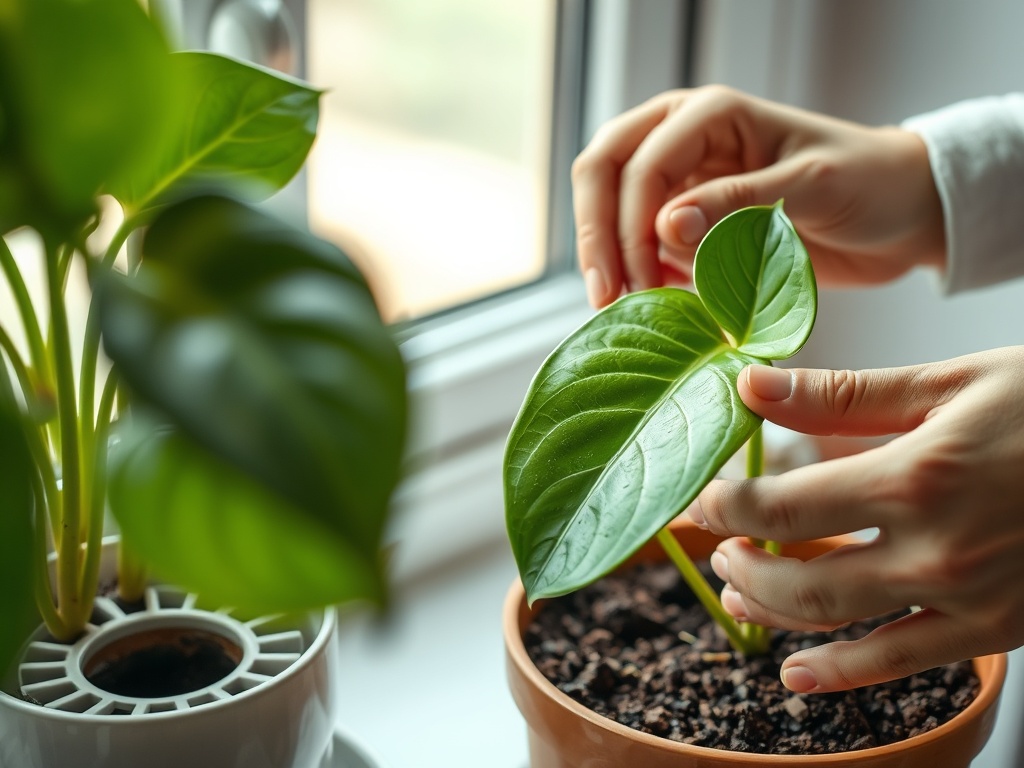
New owners often repot immediately because they want a nicer container or assume fresh soil will help. Repotting is useful when roots are crowded, the mix has broken down, drainage is poor, or the plant has a clear need. It is also a disturbance, so doing it during another major transition can add stress.
When increasing pot size, move up gradually unless the plant's root system and species-specific needs justify something larger. An oversized volume of wet mix can stay moist longer than a small root system can use it. That changes the watering rhythm and can make overwatering easier.
Signs of a root-bound plant can include roots circling densely, roots exiting drainage holes, very rapid drying, or water running through a compacted root mass. Confirm the condition rather than repotting on appearance alone.
Mistake 6: Fertilizing a Stressed Plant
Fertilizer is not medicine for every yellow leaf. A plant with damaged roots, insufficient light, active pests, or a watering problem may not benefit from more nutrients. Excess fertilizer can also contribute to soluble-salt buildup in container media.
Use fertilizer during active growth when the plant is otherwise healthy, following product directions and species needs. If growth slows in winter because light levels drop, more fertilizer may not solve the limiting factor. Diagnose environment first.
Mistake 7: Moving Plants Constantly
Changing light, watering, potting mix, fertilizer, and pest treatments all at once makes cause and effect almost impossible to read. Change one meaningful variable at a time unless there is an urgent problem, then judge progress by new growth and stabilization rather than expecting damaged leaves to repair themselves.
Mistake 8: Assuming Every Spot Is a Pest or Disease
Leaf spots, yellowing, curling, browning, and drop can result from many causes. Pests and pathogens matter, but environmental and cultural issues are common too. Look at the whole plant, the pattern of symptoms, the underside of leaves, stems, potting mix, roots when appropriate, and recent care history.
Inspect new plants carefully and avoid spraying unidentified problems with multiple products. If you use a pesticide, follow the label exactly and confirm it is appropriate for the pest and indoor use.
Mistake 9: Ignoring the Home Environment
Plants live inside a building system. Heating, cooling, drafts, low winter humidity, hot radiators, cold glass, and major temperature swings can affect them. If a room has persistent comfort problems for people as well as plants, the issue may be broader than plant placement. A home energy audit can help investigate building-level drafts, insulation, and comfort concerns without turning the thermostat into a plant-care guessing game.
If your interest expands from indoor growing to vegetables outdoors, avoid carrying container habits directly into beds. The guide to raised bed gardening mistakes covers soil volume, drainage, spacing, and seasonal management in a very different growing environment.
Reset the Routine, Not the Plant
Beginner plant care improves when observation replaces urgency. Check moisture before watering, match light to the species, use real drainage, repot for a reason, and diagnose symptoms before applying fertilizer or pesticides. A houseplant does not need constant intervention; it needs conditions that stay within a workable range long enough for the plant to adapt and grow.
For the next week, do nothing dramatic. Identify each plant, record its light location and current soil moisture, and make only the care changes supported by what you actually observe.
Informational note: Houseplant guidance is educational and species-specific needs vary. Follow pesticide and fertilizer labels, keep potentially toxic plants and products away from children and pets, and contact a local Extension or plant professional for persistent or uncertain problems.[/