
Hotels and resorts in the next decade are likely to become more flexible in how they sell space, more connected in how they operate, and more accountable for energy, water, labor, and guest data. The industry will still center on hospitality, but the property itself may function more like a mixed-use service platform than a building organized only around guestrooms.
TL;DR: Over the next decade, the strongest hotel concepts may combine adaptable rooms, AI-assisted operations, richer on-property experiences, mixed-use development, and verifiable sustainability. These are projections rather than certainties, and adoption will vary by market, property type, regulation, capital availability, and guest expectations.
The Hotel Will Become a More Flexible Product
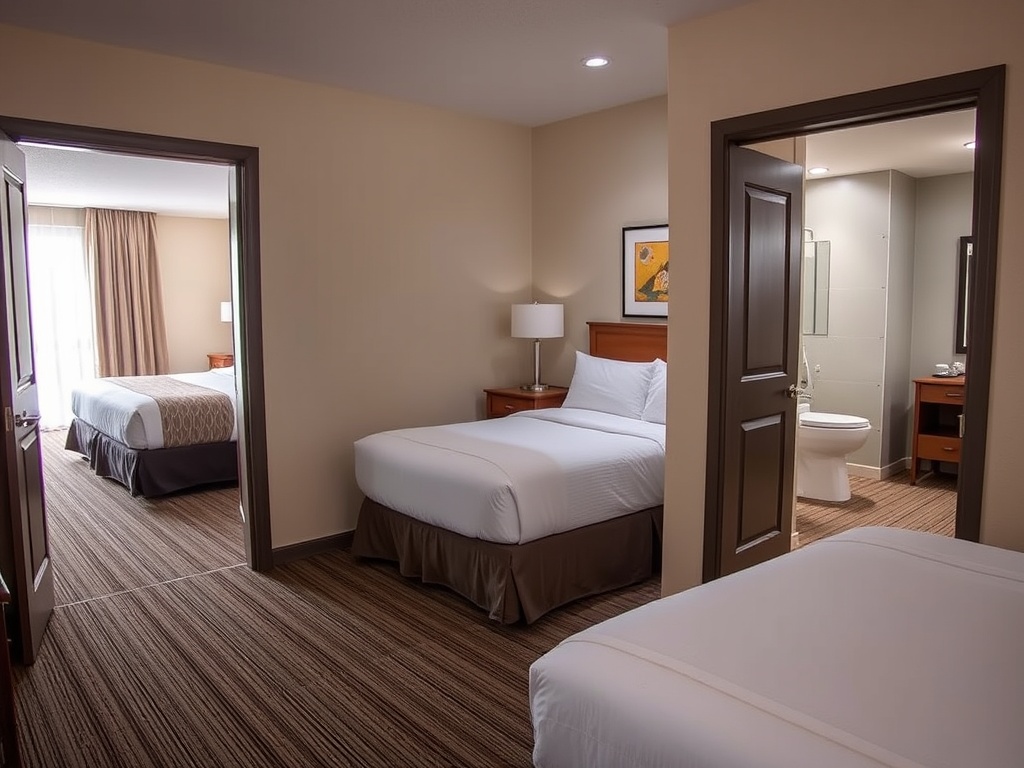
For decades, many hotels have sold a relatively fixed product: a room category for a set number of nights, sometimes combined with breakfast or another package. That structure will remain, but future properties may become more configurable. Guests could choose room attributes, working setups, connecting configurations, arrival times, dining credits, wellness sessions, or activity access as parts of one stay rather than as separate transactions.
The future of AI-first hotels may accelerate this shift because machine-readable inventory and service entitlements make it easier to assemble options around an individual trip. The goal should not be unlimited complexity. Hotels that expose too many choices can make booking harder. The better model is a small number of meaningful decisions backed by systems that understand what the property can actually deliver.
Mixed-Use Hospitality Will Continue to Blur Boundaries
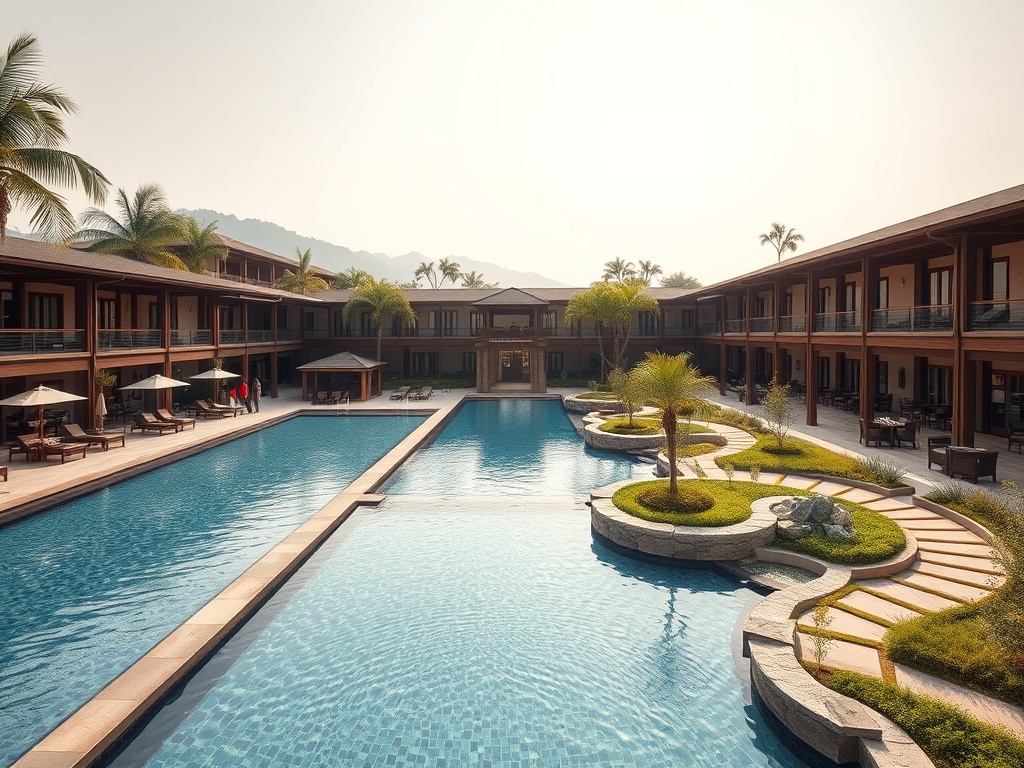
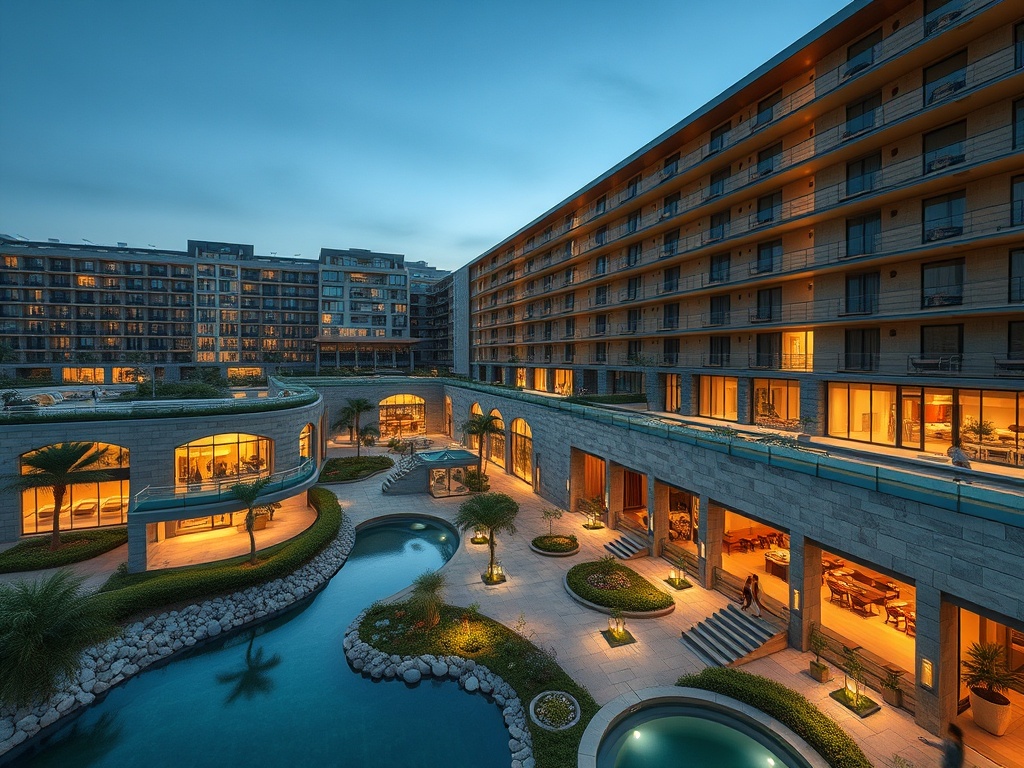
The distinction between hotel, residence, club, workspace, entertainment venue, wellness destination, and retail environment is already less rigid in many developments. Over the next decade, that blending may expand as owners seek multiple revenue sources and travelers seek spaces that support longer or more varied stays.
The rapid development pipeline described in the Savills Branded Residences Annual Report 2025-2026 is one visible signal. Branded residences are only one model, and their growth does not prove that every hotel should add residential inventory. It does show that hospitality brands, developers, and buyers are testing combinations of lodging, ownership, services, and lifestyle positioning. The future of branded residences and hybrid resort models will therefore be an important part of how some destinations are financed and programmed.
Sustainability Will Shift From Storytelling to Verification
Environmental performance will be harder to treat as a marketing theme disconnected from operations. Energy, water, waste, emissions, supply chains, climate exposure, and community impact affect both operating costs and the credibility of sustainability claims. The World Travel & Tourism Council's Hotel Sustainability Basics provides a minimum framework built around practical actions, and the program has been moving toward stronger verification.
Over the next decade, hotels may face more standardized reporting and greater scrutiny of environmental statements. That could influence everything from mechanical systems and laundry operations to amenity packaging, food sourcing, landscaping, and renovation cycles. Properties that collect reliable operational data will be in a stronger position than those relying on broad claims that cannot be substantiated.
AI Will Move Into the Operating Core
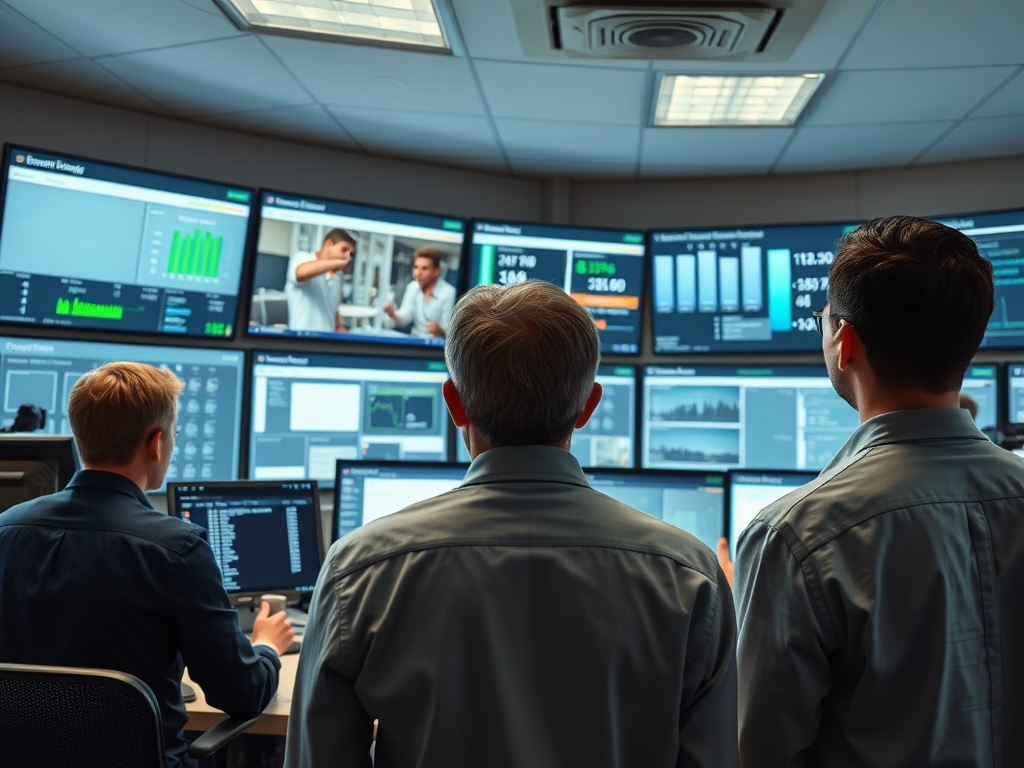
Generative AI attracts attention because guests can see chat interfaces, but some of the more significant effects may happen behind the scenes. Forecasting, staffing, maintenance triage, procurement, guest messaging, content management, and revenue decisions can all use machine-assisted analysis. AHLA's 2025 industry reporting identifies AI, personalization, and technology-enabled operations as important themes for the sector. That is evidence of current industry direction, not proof that automation will replace hotel teams.
Human judgment remains critical because hospitality includes exceptions, emotion, safety, conflict resolution, and cultural context. The best future systems may reduce repetitive coordination so employees can spend more time on situations where attention and discretion matter. Hotels should judge AI by error rates, service outcomes, staff workload, guest control, and financial performance rather than by the number of automated features installed.
Distribution Will Become Part of Product Design
Over the next decade, how a hotel describes and sells itself may influence how the property is designed. If travelers increasingly search through AI systems, metasearch, maps, loyalty ecosystems, and embedded booking tools, then the hotel needs data that can explain more than a room name and nightly rate. Amenities, accessibility features, policies, room attributes, package entitlements, sustainability information, and real-time availability all become part of the commercial product.
That is why the future of hotel distribution strategy cannot be treated only as a marketing-channel issue. Distribution architecture will shape which products a hotel can sell, how quickly it can update them, and how consistently travelers see the same offer across surfaces.
Work and Leisure Patterns Will Stay More Fluid
Hybrid work has made some trips harder to categorize cleanly as business or leisure. The long-term effect may be more demand for rooms that can switch functions during the day, reliable connectivity, flexible arrival and departure options, and public spaces that support both social and productive use. Not every market will experience the same pattern, and corporate travel policies can change, but hotel design is likely to keep accounting for mixed-purpose stays.
Resorts may respond by creating more optionality in daily schedules. Instead of assuming that every guest follows the same breakfast-pool-dinner rhythm, properties can support parents working for part of a day, multi-generational groups splitting into different activities, or couples combining wellness and remote work. Operational systems will need to coordinate that complexity without making the stay feel overprogrammed.
Labor Strategy Will Shape Which Innovations Survive
Technology is often presented as a response to labor pressure, but the next decade is likely to show that tools work best when job design changes with them. A self-service check-in option can reduce routine transactions, yet guests still need someone who can solve an unusual room problem. Automated scheduling can improve coverage, but employees need clear roles, training, and escalation paths.
Future hotel concepts should therefore be evaluated as service systems. Ask which tasks are being automated, what happens when automation fails, where employees gain time, and whether the new workflow creates a better guest experience. A property that adds technology without redesigning operations may simply move friction from the front desk to another part of the journey.
Preparing for a Decade of Change
Travelers do not need to predict which technologies or development models will dominate by 2036. They can focus on practical signals: transparent policies, recent reviews, clear room information, verified sustainability efforts, accessible service, and technology that simplifies rather than complicates the stay.
Owners and operators should build capabilities that remain valuable under several possible futures. Invest in clean data, resilient building systems, modular technology, staff training, measurable sustainability, and a distribution setup that can support new interfaces. The hotels and resorts that age well over the next decade may not be the ones with the most futuristic features. They may be the ones designed to adapt without losing the human judgment that makes hospitality work.