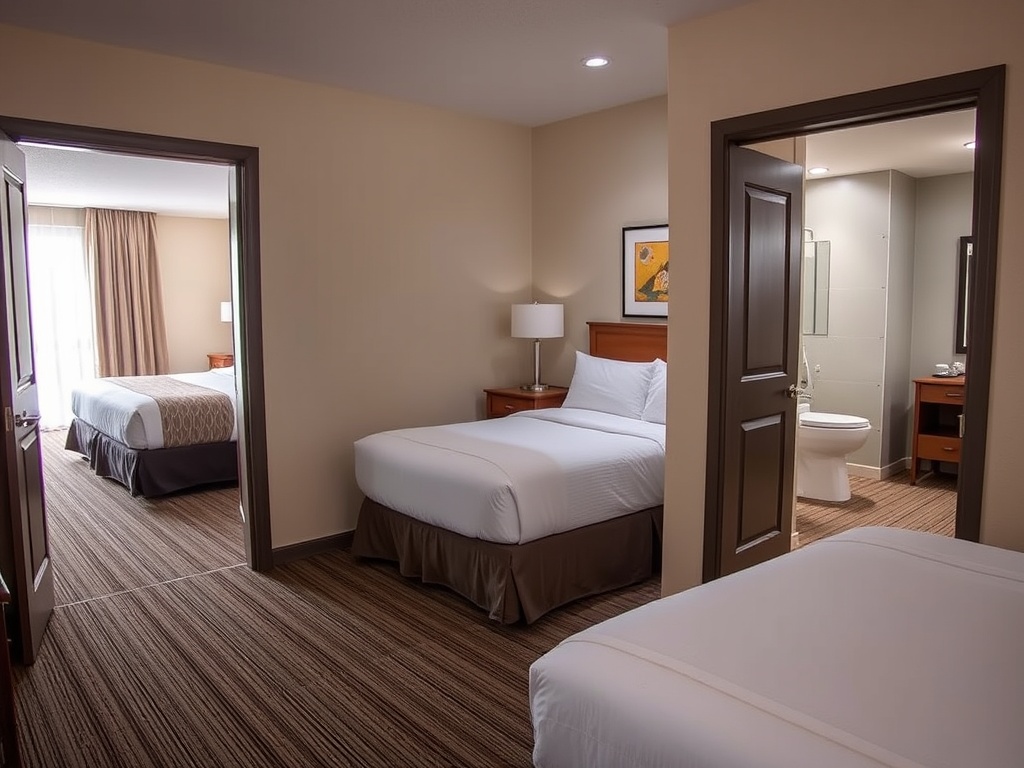

Flexible room inventory could change hotel shopping by letting guests choose meaningful room attributes instead of relying only on broad category names. The shift is likely to be gradual because hotels still need simple operations, but better inventory data can make connecting rooms, bedding, views, accessibility features, workspaces, and upgrade options easier to sell accurately.
TL;DR: The future of room inventory is likely to be attribute-based rather than endlessly category-based. Hotels can keep familiar room types while exposing selected attributes that matter to travelers, provided the property can guarantee or clearly label those features and synchronize them across booking, revenue, housekeeping, and front-desk systems.
Room Categories Are Useful but Often Too Coarse
A label such as "deluxe king" may tell a traveler the bed type and relative position in the hotel's hierarchy, but it may not answer practical questions. Is the room near an elevator? Does it have a walk-in shower? Can it connect to another room? Is there a desk that supports a full workday? Does the view face the street, pool, garden, or interior atrium?
Hotels could solve every question by creating many categories, but that becomes difficult to manage. Future inventory design is more likely to keep a manageable base category and add selected attributes. That model gives the traveler more precision without forcing operations to maintain dozens of nearly identical products.
Search Will Push Hotels Toward Better Attribute Data
As booking becomes more conversational, travelers may ask for combinations rather than category names: two nearby rooms, one accessible shower, a quiet floor, and space for a child. The future of hotel booking journeys will make that kind of request easier to express.
The hotel still needs structured inventory behind the interface. Google's Hotel Center, for example, already relies on detailed rate and availability feeds. Its availability reporting guidance shows that room, rate plan, occupancy, and date-level inventory are managed as explicit data elements. Future systems may build on this foundation by exchanging a richer set of room attributes, but hotels should not promise attributes their systems cannot reliably fulfill.
Flexible Inventory Can Improve Family and Group Planning
Families and groups often care about room relationships more than luxury labels. Connecting rooms, adjacent rooms, shared entry configurations, sofa beds, accessible bathrooms, and proximity to elevators can determine whether a stay works smoothly.
A flexible inventory model can treat these relationships as bookable characteristics when the hotel's physical layout and systems support them. That is also where the future of hotel segmentation becomes more practical. Instead of calling someone a "family segment" and showing generic family marketing, the hotel can respond to the actual request for sleeping capacity, proximity, and accessibility.
Revenue Management Will Need to Price Attributes Carefully
Once hotels expose attributes, some will have economic value. A high floor, balcony, larger workspace, connecting guarantee, or specific view may command a premium in some markets. Other attributes, especially accessibility features, should be handled carefully to avoid creating unfair or inappropriate pricing practices.
The goal should not be to charge for every detail. Hotels can identify a limited set of attributes that genuinely change value or operating complexity, then test whether guests understand the choices. Too many micro-prices can make booking feel like a series of fees and weaken trust.
Housekeeping and Front Desk Systems Must Share the Same Truth
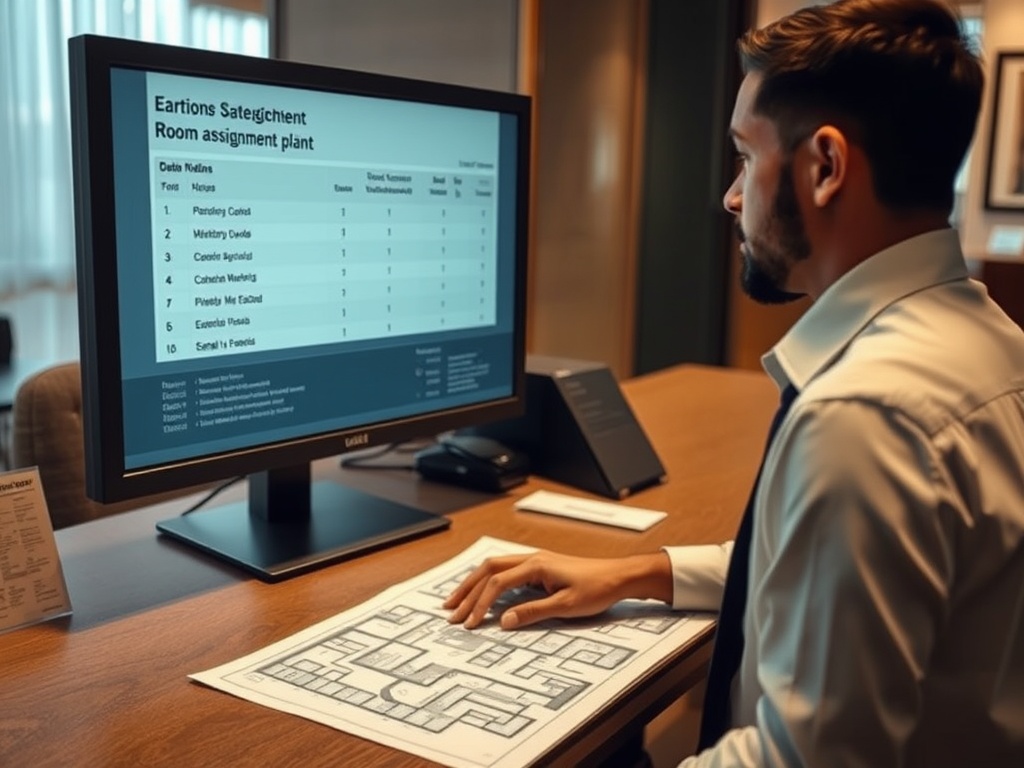
Flexible inventory only works if the booking promise survives room assignment. A guest who pays for a guaranteed feature should not arrive to hear that it was merely a preference. That requires coordination among the reservation system, property management system, housekeeping status, maintenance blocks, and front-desk controls.
This creates a strong case for separating guaranteed attributes from requested preferences. A hotel might guarantee "balcony" because it is tied to specific inventory, while recording "away from elevator" as a request subject to availability. The language shown during booking should make that difference obvious.
Sensory Preferences May Become Selectable, but Only in Limited Ways
The future of sensory hospitality design could add another dimension to room choice. Guests may increasingly care about blackout capability, acoustic location, fragrance-free options, temperature control, or lighting configuration. Some of these can become verified attributes; others are subjective and should not be guaranteed too precisely.
A hotel can verify that a room has blackout curtains or is in a designated fragrance-free section. It cannot reliably promise that every guest will perceive the room as "perfectly quiet." Future booking interfaces should distinguish measurable features from subjective descriptions.
Flexible Inventory Can Support Better Maintenance Decisions
Attribute-level inventory has operational value beyond selling. If a specific room feature is unavailable because of maintenance, the hotel can remove or suppress that attribute without taking the entire room out of inventory when safe and appropriate. Conversely, a critical defect can be tied directly to the rooms affected.
This depends on accurate asset data. If room attributes are maintained only in marketing copy, they quickly become outdated after renovations, furniture changes, or equipment replacements. Hotels may need stronger room-level asset records so the commercial description stays synchronized with the physical product.
Travelers Will Need Fewer Choices, Not More
The future of flexible inventory should not resemble configuring a car with dozens of options. Most guests want a quick decision. Booking interfaces can ask a small number of high-value questions, such as bedding, accessibility, room relationship, and view, then show the most suitable options.
The Expedia Group Traveler Value Index reinforces the importance of trust and clear information in travel decisions. Flexible inventory should support that trust by reducing uncertainty, not by creating an opaque upsell path.
Standards Will Be Needed Across Systems
Attribute-based selling becomes difficult when each channel uses different terminology. One system may call a feature a roll-in shower, another an accessible shower, and another a mobility-accessible bathroom. Hotels will need consistent definitions and mapping rules so the same physical feature is represented accurately everywhere. This is especially important for accessibility and bedding, where a wording mismatch can materially affect a stay. Better standards can also make room renovations easier to update across the full distribution stack.
Treat Room Choice as a Configurable Product
Hotels should start by auditing which room details repeatedly cause calls, special requests, complaints, or manual reassignment. Those are candidates for clearer attributes. Define which features can be guaranteed, which are requests, which affect price, and which should be available without surcharge.
Travelers should focus on the few room characteristics that materially affect the stay and confirm critical needs before arrival when necessary. The future of flexible room inventory is promising because it can make hotel shopping more precise, but it will succeed only when the digital description matches the room that is actually handed over at check-in.