
Use the sports event as the anchor, then add food, culture, and sightseeing around sleep, travel time, budget, and performance needs.
TL;DR: Use the sports event as the anchor, then add food, culture, and sightseeing around sleep, travel time, budget, and performance needs.
Make the Event the Anchor, Not the Whole Trip
Sports travel works best when the game, race, tournament, or event remains the anchor while food, culture, and sightseeing fill the spaces around it. The goal is not to overload the itinerary. It is to make the trip memorable without hurting performance, budget, or energy.
Fans, families, amateur athletes, and youth teams all travel differently. A fan weekend can be flexible. A tournament weekend needs more structure. A showcase trip needs rest and logistics before entertainment.
Start With the Non-Negotiables
List game times, warm-up times, check-in windows, travel distance, meals, sleep, equipment, and weather. Once those are protected, add one or two local experiences. If the event requires peak performance, avoid late nights, heavy meals, and long walking tours before competition.For active travelers, the CDC physical activity guidance can help frame walking, cycling, and recreation as part of the overall trip, but athletes should still manage fatigue around competition.
Plan Food Around Energy, Not Just Recommendations
Local food is one of the best parts of travel, but timing matters. Try richer or unfamiliar meals after the main performance, not right before it. Before games, choose familiar foods, predictable portions, and enough time to digest. Hydration is especially important when flying or traveling in heat.If you are traveling with gear, use new-athlete gear buying and packing logic to avoid bringing too much or forgetting small essentials.
Build a Flexible Sightseeing Map
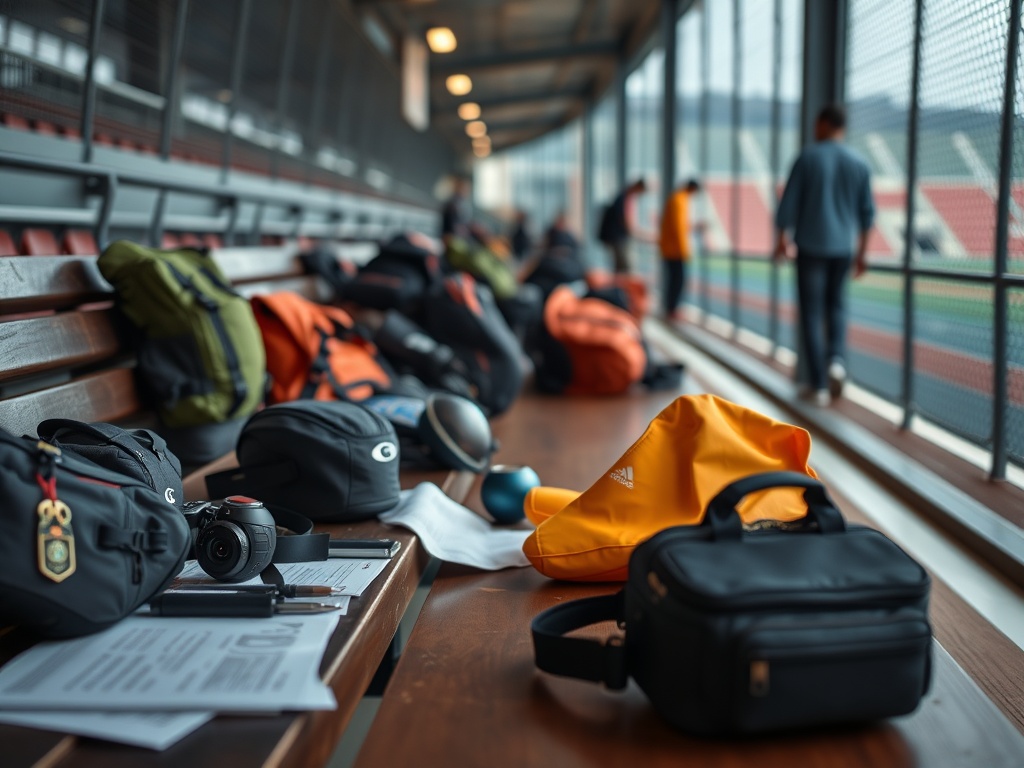
Choose sights by distance and energy cost. A museum near the hotel may fit better than a crowded attraction across town. A short neighborhood walk may be better than a full-day tour between matches. Leave buffer time for traffic, parking, security lines, and weather delays.Sports business students and curious fans can also treat travel as informal research. Venues show how teams earn revenue, build rituals, and connect with local identity. That angle pairs naturally with career and business questions in sports.
Respect the Venue and Local Culture
Good sports travelers learn basic venue etiquette: bag rules, entry timing, chants or traditions, standing expectations, and local transit norms. They also treat neighborhoods as more than a backdrop. Spend with local businesses, follow posted rules, and avoid turning youth sports trips into disruptive group travel.If the trip includes content creation, streaming, or sports media work, the career guide on future-proofing skills in sports and gaming can help turn observations into useful portfolio material without interfering with the event.
Budget for the Hidden Costs
Tickets and hotels are obvious. Hidden costs include parking, rideshares, baggage fees, snacks, laundry, rain gear, phone charging, equipment repairs, and schedule changes. Families should set a daily flexible amount so small surprises do not become stress.
For tournaments, pack duplicate essentials: socks, base layers, mouthguard, charger, medication, and a simple recovery snack. For fan trips, prioritize comfort items that help you enjoy long venue days.
Let the Trip Breathe
A good sports trip should feel planned but not trapped. Protect the event, add local experiences in realistic doses, and leave room for rest. That balance makes the game better and the destination more meaningful.
How to Keep the Schedule Human
Build the trip around energy blocks. High-energy blocks include games, airports, crowds, and long walks. Low-energy blocks include meals near the hotel, quiet museums, scenic transit, or downtime. Mixing them well prevents the trip from feeling like a forced march.
For families, assign one person to logistics and one to fun. The logistics person watches timing, tickets, and transportation. The fun person finds the local cafe, park, or neighborhood stop that makes the trip feel special.
Leave one open window each day. Weather changes, games run long, athletes get tired, and transit can fail. A flexible window protects the mood of the trip.
After returning, save notes on what worked: hotel location, meal timing, packing list, and realistic sightseeing distance. The next trip will be easier and cheaper.
A Two-Day Travel Template
On arrival day, keep plans light: check in, confirm venue route, buy simple snacks, and take a short walk near the hotel. On event day, protect warm-up, food timing, and transport, then add one local experience after the main commitment.
This template is not glamorous, but it works. It reduces decision fatigue and leaves space for the unexpected parts of travel that often become the best memories.
How to Keep Groups Together Without Friction
For team or family trips, agree on meeting points, spending expectations, and must-attend times before leaving the hotel. People enjoy free time more when the important commitments are clear. Shared travel becomes easier when nobody has to guess where to be or what matters most.
Plan Around Recovery After the Event
Post-event recovery matters too. After a long match, race, or tournament day, choose a meal and activity that helps people decompress. A relaxed local dinner or short walk may be better than rushing into another crowded attraction. The best travel memories often happen when the schedule leaves room to breathe.
Choose One Signature Experience
Instead of trying to see everything, choose one signature local experience that fits the trip. It might be a neighborhood meal, a stadium tour, a public park, or a short cultural stop. One memorable choice usually beats a crowded checklist.