
New athletes should buy for fit, safety, and repeat use before buying advanced performance gear.
TL;DR: New athletes should buy for fit, safety, and repeat use before buying advanced performance gear. The best first purchase supports consistent practice.
The Real Job of Beginner Gear
Beginner gear should make participation safer, more comfortable, and easier to repeat. It does not need to imitate what professionals use. New athletes waste money when they buy for status, aesthetics, or imagined future needs before they understand fit, rules, and training frequency.
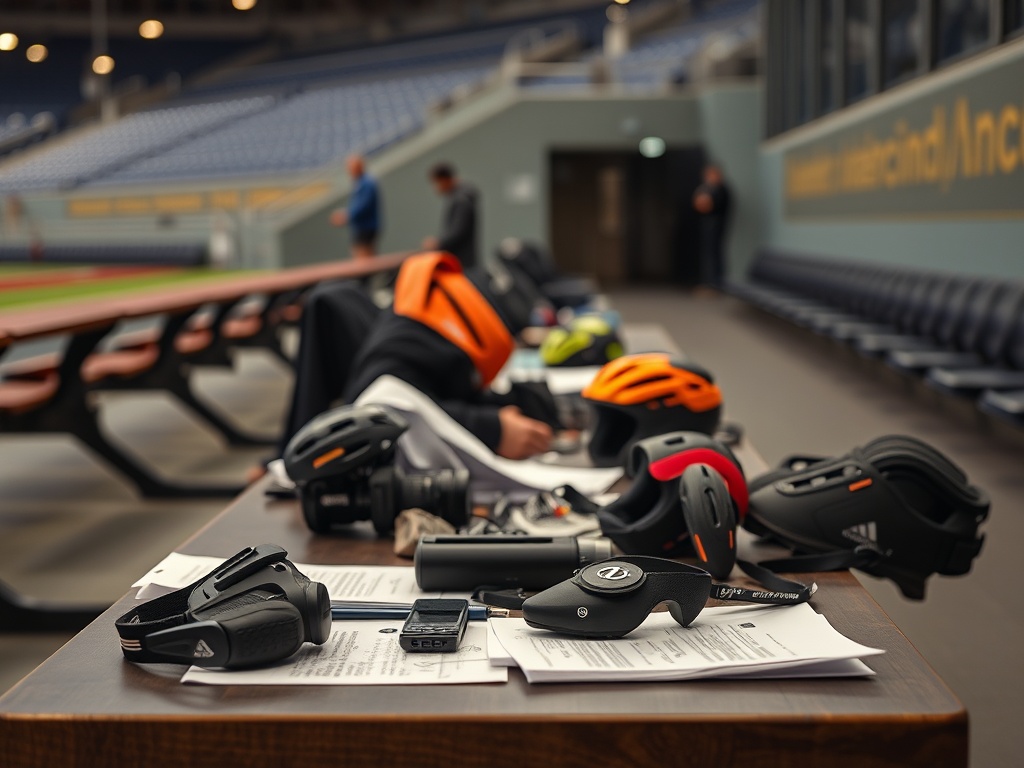
The right purchase depends on the sport, playing surface, body size, climate, and level of contact. A runner needs shoes that match distance and comfort. A hockey player needs protective equipment that fits securely. A tennis player needs a racket they can control. A gamer needs an ergonomic setup before flashy accessories.
Mistake One: Buying Advanced Equipment Too Early
Advanced gear often has narrower benefits. A stiff racing shoe, heavy bat, high-tension racket, elite glove, or specialized controller may reward refined technique but punish beginners who are still learning movement. Start with reliable, comfortable, rule-legal equipment that lets you practice often.If you are still deciding what sport or format suits you, review the common beginner questions about games and sports before buying a full kit. The more uncertain your schedule is, the more conservative your first purchase should be.
Mistake Two: Ignoring Fit and Safety
Poor fit turns good gear into bad gear. Shoes that slide, helmets that shift, pads that restrict movement, and gloves that reduce grip can create frustration or risk. When possible, try gear with the same socks, braces, base layers, or accessories you will actually use.Health guidance from the Physical Activity guidelines for americans supports the bigger idea: consistent activity matters. Gear that causes pain or discourages repeat sessions works against that goal, even if it looks impressive.
Mistake Three: Spending Before You Know Your Practice Pattern
A player practicing once a week has different needs from someone training four times a week. Frequency affects durability, replacement timing, and comfort priorities. Before upgrading, use a beginner practice schedule to estimate how often the gear will actually be used.For travel sports, portability also matters. Rolling bags, modular packing, weather layers, and backup essentials may be more useful than one premium item. The sports travel guide on combining games with local sightseeing can help families think beyond the field or venue.
Mistake Four: Forgetting Maintenance Costs
Some purchases carry hidden costs: replacement laces, grips, strings, cleats, mouthguards, batteries, tape, cleaning supplies, or protective cases. Maintenance is not glamorous, but it extends the life of good gear and keeps performance predictable.
Ask how often the item needs cleaning, adjustment, or replacement. If the answer is unclear, choose the simpler option. Beginners benefit from gear they can care for without a workshop.
A Practical Buying Order
Buy safety essentials first, then sport-required items, then comfort upgrades, then performance upgrades. Borrow or rent when the sport has expensive specialized gear and you are still testing commitment. Spend more when the item affects injury risk, fit, or repeated comfort. Spend less when the item mostly affects appearance.
Parents should also separate growth from quality. Children may outgrow equipment quickly, so adjustable or mid-priced gear can make more sense than premium versions. Adult beginners should avoid assuming the most expensive option is the most forgiving.
Spend Where It Changes Participation
Good gear helps you show up consistently. Buy what protects, fits, and supports practice, then upgrade after your needs are proven. That approach saves money and keeps attention on learning.
Questions to Ask Before Any Upgrade
Before upgrading, ask what problem the new item solves. If the answer is vague, wait. A better purchase should reduce pain, improve fit, meet a rule requirement, survive heavier use, or make practice easier to repeat.
Ask whether the item matches your current level. Beginners often benefit from forgiving equipment, while advanced gear may demand cleaner mechanics. A racket with a smaller sweet spot, a stiff boot, or a minimal shoe can expose weaknesses rather than fix them.
Ask how the item will be maintained. If it needs regular restringing, charging, cleaning, reshaping, or replacement parts, add that to the true cost. Cheap gear that fails quickly can be more expensive than mid-range gear that lasts.
Last, ask whether you can test it. Borrowing, renting, demo days, or buying from a store with a sensible return policy can prevent an expensive mismatch.
A Cost-Per-Use Way to Think
A mid-priced item used three times a week may be a better value than a cheap item that causes discomfort or breaks quickly. Cost-per-use is not perfect, but it forces a practical question: will this purchase support the amount I actually play?
For children, cost-per-use should include growth. For adults, it should include durability and comfort. For travel athletes, it should include how easily the item packs, cleans, and survives repeated movement.
When Used Gear Makes Sense
Used gear can be smart for expensive sports when safety is not compromised. Bags, some training tools, and certain non-protective items may be good secondhand purchases. Helmets, mouthguards, worn shoes, and damaged protective equipment require more caution because hidden wear can matter.
The Upgrade Test
Use this test before spending: can you name the problem, prove the current item is limiting you, and explain why the new option solves it? If yes, the upgrade may be justified. If not, put the money toward coaching, entry fees, maintenance, or more consistent practice.