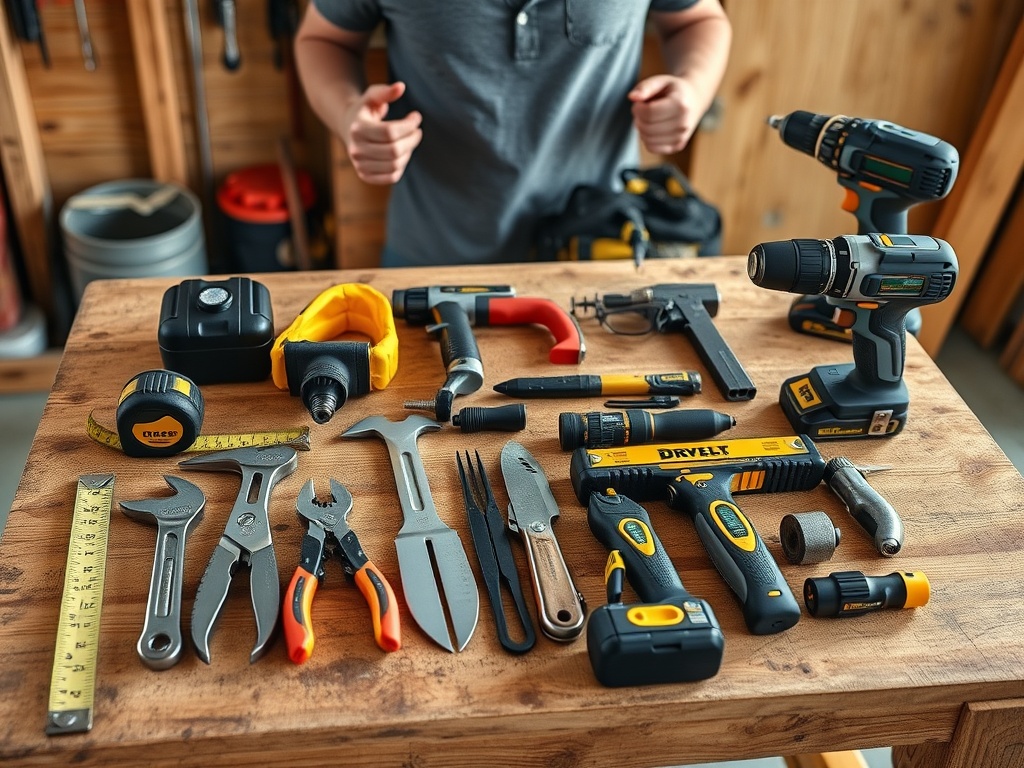

The best home tool kit for a beginner is not the biggest case on the shelf. It is a compact set of reliable hand tools that covers measuring, fastening, hanging, tightening, simple assembly, and minor repairs, with enough room to add task-specific tools later.
Starter-kit snapshot: Begin with a tape measure, multi-bit screwdriver, claw hammer, adjustable wrench, slip-joint or tongue-and-groove pliers, needle-nose pliers, utility knife, level, hex keys, flashlight, basic safety glasses, and a small organizer for fasteners. Add a cordless drill/driver only when your projects justify it, and avoid large assortments filled with duplicate low-use pieces.
What a Beginner Kit Should Actually Solve
Most early home projects fall into a few categories: tightening loose hardware, assembling furniture, hanging shelves or pictures, measuring spaces, replacing simple non-electrical fittings, opening packaging, adjusting doors, and making minor repairs. A useful kit should cover those jobs without forcing you to learn twenty specialized tools at once.
The U.S. Consumer Product Safety Commission advises DIY users to keep tools in good condition, wear appropriate eye protection, keep hands away from moving parts, and follow safe practices around powered equipment. Its broader DIY and power-tool safety guidance is a good reminder that tool selection and safe use belong in the same decision.
Three Kit Types Make Sense for Most Beginners
| Kit type | Best for | What it should contain | What to avoid |
|---|---|---|---|
| Basic hand-tool kit | Renters, first apartments, light repairs | Measuring, screwdriving, hammering, pliers, wrench, level, knife | Oversized socket sets and specialty bits you do not recognize |
| Homeowner repair kit | New homeowners, regular maintenance | Strong hand-tool base plus sockets, stud finder, larger pliers, better organizer | Cheap duplicates that inflate piece count |
| Drill-centered starter kit | Furniture assembly, shelving, frequent fastening | Hand-tool essentials plus cordless drill/driver, bits, eye protection | Buying high-powered tools before learning drilling and fastening basics |
A preassembled case is convenient when it has the right core tools. Buying individually can be better when you want higher quality in the pieces you use most. Either approach works; focus on function, comfort, replaceability, and storage rather than the number printed on the package.
The Essential Hand Tools
Tape Measure
A 16- to 25-foot tape covers most indoor measurements. Look for clear markings, a blade that retracts smoothly, and a case that feels secure in your hand. Learn to measure twice before cutting, drilling, or ordering furniture.
Multi-Bit Screwdriver
A ratcheting or standard multi-bit driver saves space while covering common Phillips, slotted, and square or Torx fasteners depending on your region and home. Keep the bits organized so you are not forcing the wrong tip into a screw head.
Claw Hammer
A medium-weight claw hammer handles picture hooks, light carpentry, and nail removal. Beginners usually benefit more from balance and grip comfort than from maximum head weight.
Adjustable Wrench and Pliers
An adjustable wrench handles many nuts and bolts when you do not yet own a full wrench set. Pair it with slip-joint or tongue-and-groove pliers and needle-nose pliers for gripping, holding, bending, and reaching small parts. Use the correct tool for finished plumbing fittings so you do not crush or scar them.
Utility Knife
A retractable utility knife is useful for boxes, caulk, sheet materials, and general cutting. Always cut away from your body, retract or cover the blade when not in use, and replace dull blades rather than applying excessive force.
Level and Flashlight
A small spirit level helps with shelves, frames, and appliance setup. A bright handheld or head-mounted flashlight is useful for cabinets, shutoffs, attics, and behind appliances. Good visibility is a safety tool, not just a convenience.
When a Cordless Drill/Driver Becomes Worth It
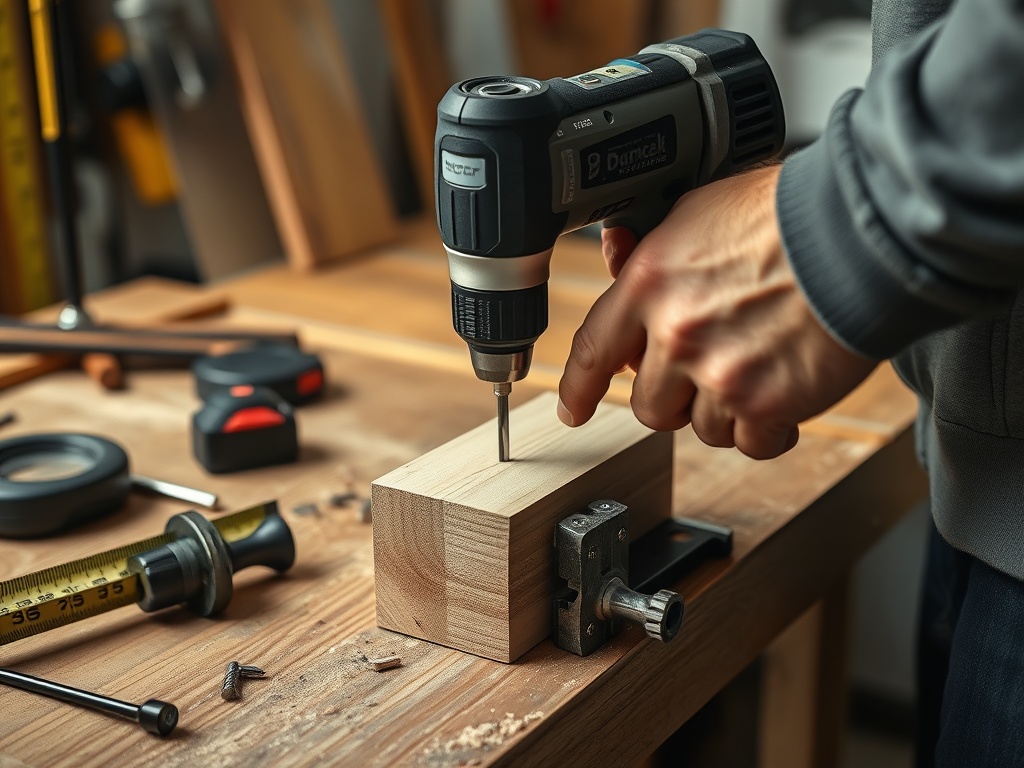
A cordless drill/driver earns its place when you regularly assemble furniture, hang shelves into appropriate framing or anchors, drill pilot holes, or drive many screws. Beginners do not need the most powerful platform. A compact tool with adjustable clutch settings is often easier to control.
Learn the difference between drilling and driving. Use the correct bit, start slowly, keep the tool aligned with the fastener, and stop before stripping the screw or crushing the material. Know what is behind the surface before drilling. Walls can contain electrical wiring, plumbing, gas lines, and other hidden services.
If a project involves electrical circuits, do not treat a basic homeowner tool kit as permission to work beyond your competence. The CPSC's home electrical safety checklist is useful general reading, but electrical diagnosis and modification may require a licensed professional under local rules.
Build the Kit Around Real Projects
The smartest way to expand a tool kit is one project at a time. Installing a video doorbell for your entry setup may justify a drill, masonry bit, low-voltage tester, or small level depending on the wall and wiring. Replacing knobs and pulls after choosing cabinet hardware finishes may justify a cabinet-hardware jig and a sharp drill bit.
That project-based approach produces a more useful collection than buying a huge general set with dozens of unfamiliar pieces. It also encourages you to learn each tool in context.
Storage Is Part of the Kit
A tool you cannot find is not useful. Keep core hand tools in one portable case, small fasteners in an organizer, and blades, batteries, and chemicals in a safe separate location. Inspect damaged cords, cracked handles, striking surfaces, and dull blades before use.
Do Not Let Piece Count Fool You
A 150-piece kit can contain dozens of bits, sockets, and fasteners while offering only a handful of actual tools. That is not necessarily bad, but the headline number should not drive the choice. Ask how many items you will use in the first six months.
Quality matters most in tools that bear force or guide accuracy; dependable core tools are more valuable than marginal duplicates.
For products with moving parts or electrical components, check manufacturer instructions and current recall information. The CPSC recommends maintaining equipment and checking safety updates when appropriate.
Safety Gear Belongs in the Same Box
At minimum, keep safety glasses with the kit. Add hearing protection, work gloves, a dust mask or respirator appropriate to the hazard, and other protective equipment as projects require. Protective equipment does not make an unsafe task safe, but leaving it in another room makes it easier to skip.
Use ladders on stable, level surfaces and away from electrical hazards. Keep work areas well lit and clear of children and pets when drilling, cutting, or striking. Clamp small workpieces instead of holding them near a blade or drill bit whenever the task allows.
Build a Kit Around Real Repairs
For most beginners, the best home tool kit is a modest hand-tool core plus safe storage and room to grow. Buy a drill/driver when recurring projects justify it, add specialty tools only when a real task requires them, and upgrade the pieces you reach for most often rather than replacing the whole kit at once.
A useful next step is to list the five repairs or projects you expect to handle this year, then choose a kit that covers at least four of them without adding tools you cannot yet explain how you would use.
Informational note: Tool and DIY guidance is educational. Follow current manufacturer instructions, wear appropriate protective equipment, check for hidden utilities before drilling or cutting, and use qualified professionals for electrical, gas, structural, roofing, or other hazardous work.[/