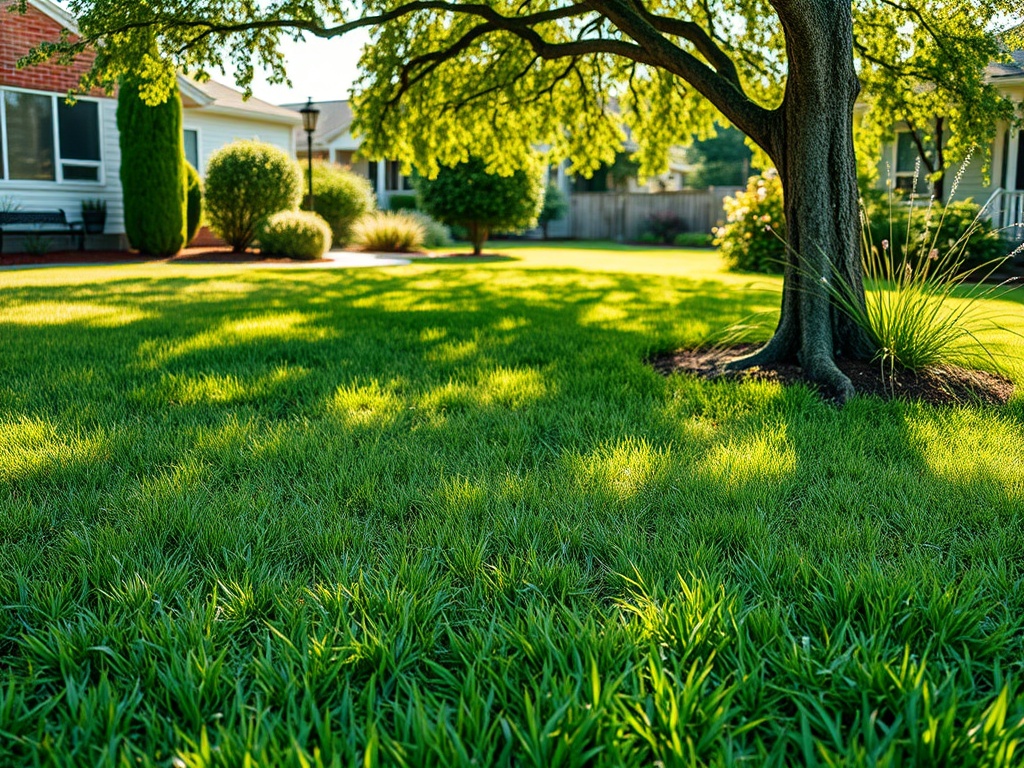
Keeping a lawn green during summer heat starts with identifying the grass type and deciding whether continuous green color is realistic for your climate and water conditions. Deep, appropriately timed irrigation, higher mowing, reduced traffic, and avoiding unnecessary fertilizer can support turf through heat, but some cool-season lawns naturally enter summer dormancy and may brown temporarily without being dead.
Heat-wave lawn plan: Water based on soil and grass need rather than a fixed daily schedule, irrigate when evaporation is lower, mow high enough for the species, keep blades sharp, avoid heavy traffic on stressed turf, pause aggressive fertilizing, and follow local drought restrictions. If water is limited, prioritize turf survival over perfect color.
First Know What Kind of Lawn You Have
Cool-season grasses such as Kentucky bluegrass, fine fescue, perennial ryegrass, and tall fescue respond differently to heat than warm-season grasses such as bermudagrass, zoysiagrass, St. Augustinegrass, and centipedegrass. Regional cultivars and mixtures add more variation.
That is why a national one-inch-per-week rule should never be treated as a precise prescription for every yard. Soil texture, rooting depth, slope, shade, humidity, wind, rainfall, mowing height, and local watering restrictions all change irrigation need. Your Cooperative Extension service or local water utility can provide regional guidance.
Water for Root-Zone Moisture, Not Surface Color
EPA WaterSense recommends checking whether the landscape actually needs water before irrigating and adjusting schedules to weather and site conditions. Its current watering tips also warn that frequent watering can encourage shallow roots and that pooling water signals runoff or overwatering.
For established turf, deeper and less frequent irrigation is generally more useful than daily light sprinkling, provided the grass species, soil, and local rules support it. Apply enough water to moisten the active root zone, then allow the surface to begin drying before the next cycle. On clay or sloped soil, split irrigation into shorter cycles with soak periods so water can infiltrate rather than run down the street.
Water earlier in the day when practical. Midday heat and wind can increase evaporation, while prolonged leaf wetness overnight may contribute to disease pressure for some turf and climates. Local recommendations should decide the exact timing.
Let the Grass Tell You When It Needs Water
Do not water simply because the temperature crosses a certain number. Look for signs of moisture stress: footprints that remain visible, blades that fold or roll, a darker or duller cast, and slow recovery after being pressed. A soil probe or moisture sensor can help confirm what is happening below the surface.
EPA's 2026 guidance for hot-weather outdoor water use suggests a simple step test: if grass springs back, it may not need watering yet. The same source recommends raising the mower blade because longer turf can support deeper roots and reduce evaporation.
Mow Higher and Cut Less During Stress
Mowing removes leaf area the plant uses for photosynthesis, so heat-stressed turf should not be scalped. Keep the mowing height toward the upper end recommended for your grass species and cultivar during hot periods. Taller leaves shade the soil surface and can support deeper rooting.
Do not remove a large portion of the leaf blade in one mowing if the lawn has become overgrown. Step the height down gradually. Keep the blade sharp; a dull mower tears leaf tips, increasing the ragged brown appearance and adding stress.
Mow when the grass is dry enough for clean cutting and the soil is firm enough to avoid rutting. During severe drought, reduce mowing frequency and foot traffic because dormant or wilted turf can be physically damaged more easily.
Fertilizer Is Not a Heat-Wave Rescue
Nitrogen can stimulate leaf growth, which increases water demand. On cool-season lawns under midsummer heat and drought, heavy fertilization can push growth at the wrong time. Some grass types and regions have different seasonal programs, so follow local Extension recommendations rather than applying a generic summer feed.
If the lawn is pale, diagnose the reason before fertilizing. Heat, drought, compacted soil, disease, nutrient imbalance, poor mowing, shade, and root damage can all change color. A soil test can help determine whether nutrient or pH correction is actually needed.
Decide Whether Green or Dormant Is the Better Goal
Cool-season turf may turn brown during extended summer heat and drought as a survival response. University of Minnesota Extension notes in its guidance for fine fescue lawns that these grasses can tolerate dry conditions and that deeper, less frequent watering is appropriate when irrigation is used to avoid complete browning during longer drought.
Dormancy does not mean no water is ever needed. Extended severe drought can kill crowns and roots, and species differ in survival. If you choose to let a lawn go dormant, get local guidance on the minimum irrigation needed to keep the turf alive and understand that mixed lawns may not brown or recover uniformly.
In regions with water restrictions, legal limits come first. A green lawn is not a reason to ignore drought rules or community supply needs.
Fix Irrigation Waste Before Adding More Water
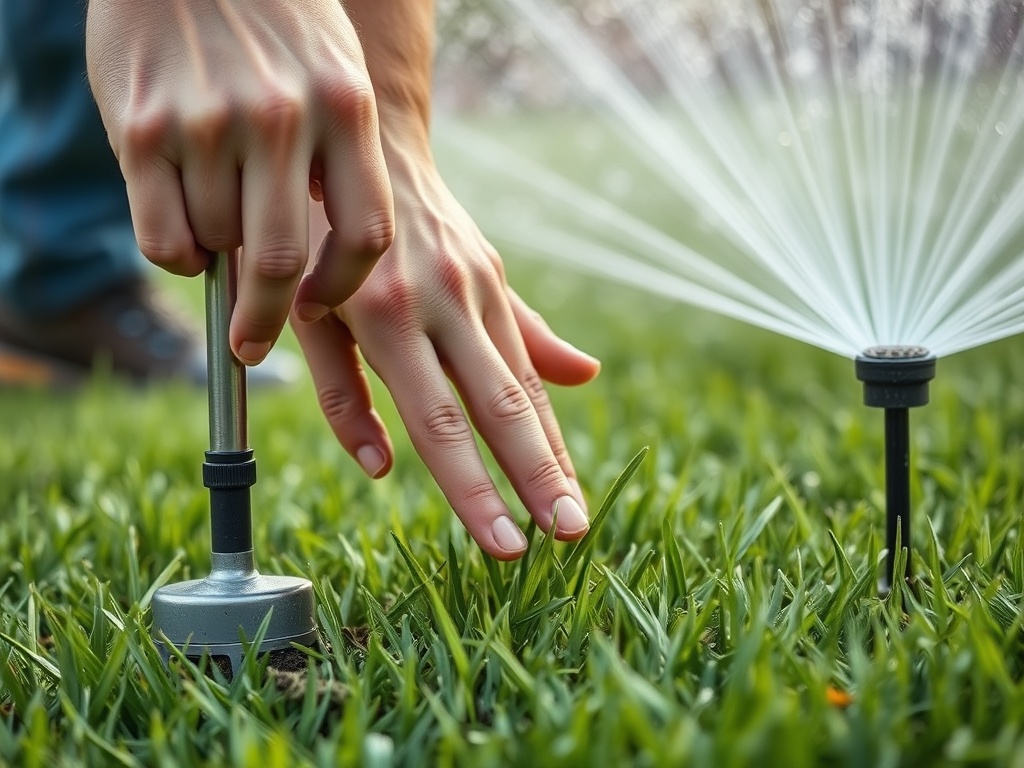
Watch the system run. Look for tilted heads, blocked spray, misting from excessive pressure, water hitting pavement, broken lines, and zones that mix turf with shrubs that need different schedules. Uneven coverage often produces a familiar cycle: one dry patch triggers longer runtimes, while the rest of the lawn becomes overwatered.
WaterSense-labeled weather-based and soil-moisture controllers can adjust irrigation based on conditions, but smart hardware cannot correct poor sprinkler placement, clogged nozzles, or bad hydrozoning. Technology should refine a sound system, not hide its design flaws.
If you are redesigning the yard rather than simply maintaining existing turf, the article on 2026 landscaping trends explains why many homeowners are reducing lawn in low-use areas and shifting to site-appropriate planting, shade, and water-smart zones.
Help the Lawn Handle Heat Before Summer Arrives
Summer resilience is partly built in spring and fall through appropriate compaction relief, drainage correction, soil fertility, and seasonal repair for the turf type.
Shade issues should be handled honestly. Turf struggling under dense tree canopy may remain thin regardless of watering. Pruning trees simply to grow more grass can damage tree structure if done poorly. Consider shade-tolerant turf, a different groundcover, mulch, or a planted bed where the site no longer supports a lawn well.
Home heat management can be considered at the same time. Shade trees and landscape design may change outdoor comfort, while building-envelope problems are a separate issue. If indoor rooms also overheat, a home energy audit can help identify whether insulation, air leakage, windows, or mechanical systems are contributing.
Common Summer Lawn Mistakes
Common mistakes include daily shallow watering, scalping, heavy fertilizing during stress, dull mower blades, watering pavement, ignoring leaks, and assuming every brown area is drought damage.
Do not apply pesticides to a brown patch without identifying the pest and confirming that treatment is warranted. Follow the label exactly, observe local restrictions, and use Extension diagnostic resources when symptoms are unclear.
Keep the Lawn Alive, Not Perfect
A healthy summer lawn is a balance between plant biology, climate, water availability, and the level of green color you want to maintain. Water deeply when the turf actually needs it, mow higher, reduce stress, correct irrigation waste, and accept dormancy where it is normal and water-wise.
For the next step, identify your grass type, run the irrigation system once while watching every zone, and check soil moisture several inches below the surface before changing the watering schedule.
Informational note: Lawn-care guidance is educational. Watering rules, drought restrictions, pesticide regulations, turf species, disease pressure, and recommended maintenance schedules vary by region. Use local Extension and water-utility guidance for site-specific decisions.[/