The strongest landscaping trends in 2026 are less about a single look and more about resilience, lower maintenance, biodiversity, flexible outdoor use, shade, water management, and planting that fits local conditions. Decorative trends still matter, but the most durable design signals are the ones that solve practical climate, comfort, and maintenance problems while creating attractive outdoor rooms.
2026 design signal: Native and climate-adapted planting, reduced high-input lawn area, softer privacy, layered outdoor living zones, permeable surfaces, water-smart irrigation, and more intentional shade are all gaining attention. Treat these as directions to evaluate, not rules every homeowner should copy.
Trend 1: Climate-Resilient Planting Is Becoming the Design Foundation
The American Society of Landscape Architects has reported growing client demand for nature-based approaches to heat, flooding, drought, and biodiversity loss. Its national survey on nature-based climate solutions found strong interest in strategies such as native drought-tolerant plants, rain gardens, bioswales, and tree-based shade.
That does not mean every yard should use the same palette. "Native" is regional, and climate adaptation is site-specific. A plant suited to a dry interior climate may fail in a humid coastal setting. Modern landscape design is moving toward matching species to soil, rainfall, heat, exposure, maintenance capacity, and ecological function rather than importing one national look.
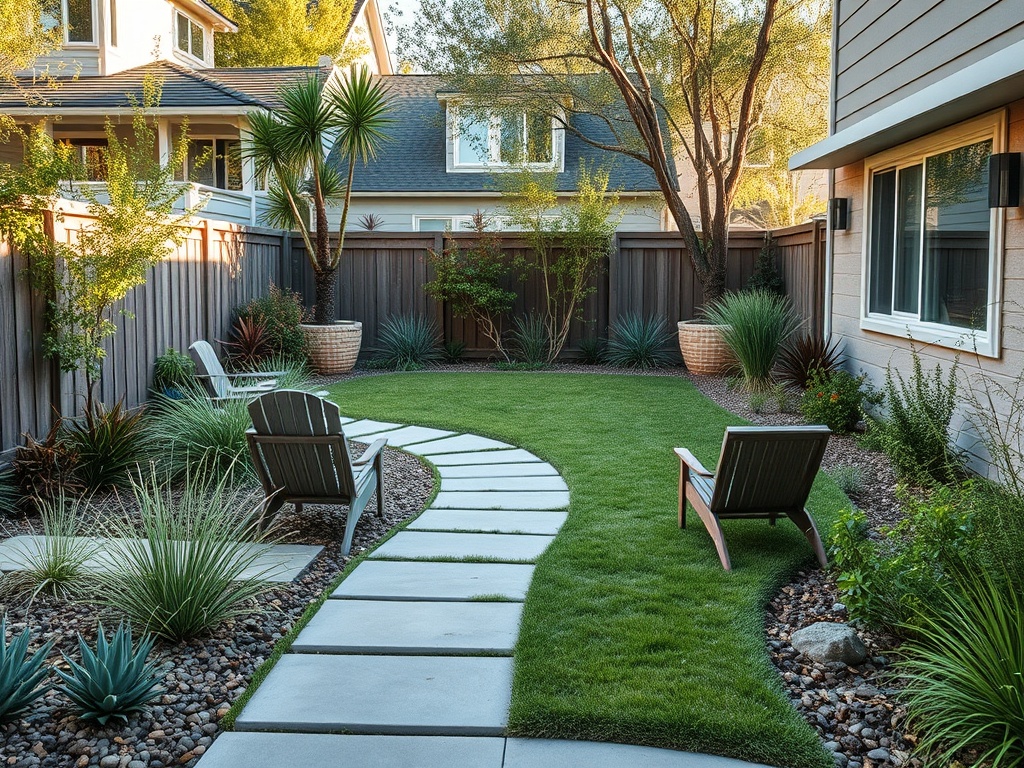
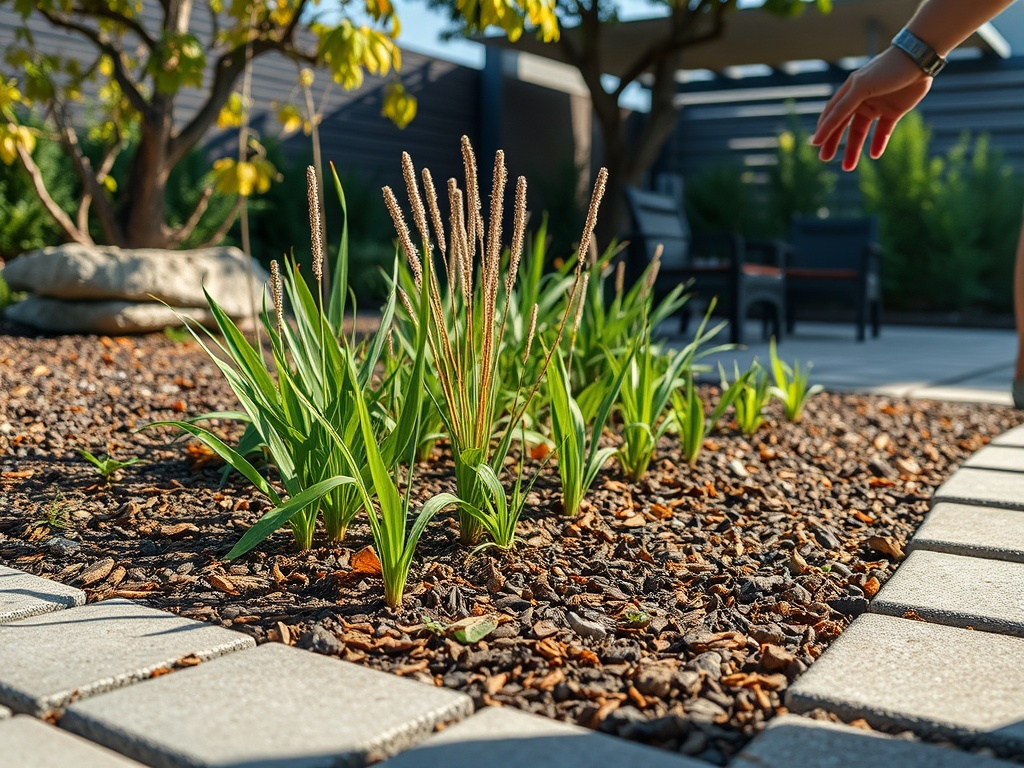
The aesthetic shift is important too. Resilient planting is increasingly being designed as layered, intentional landscape architecture rather than as a separate "eco" corner. Repetition, controlled edges, strong paths, and a limited material palette can make habitat-supportive planting feel contemporary.
Trend 2: Lawns Are Becoming More Selective
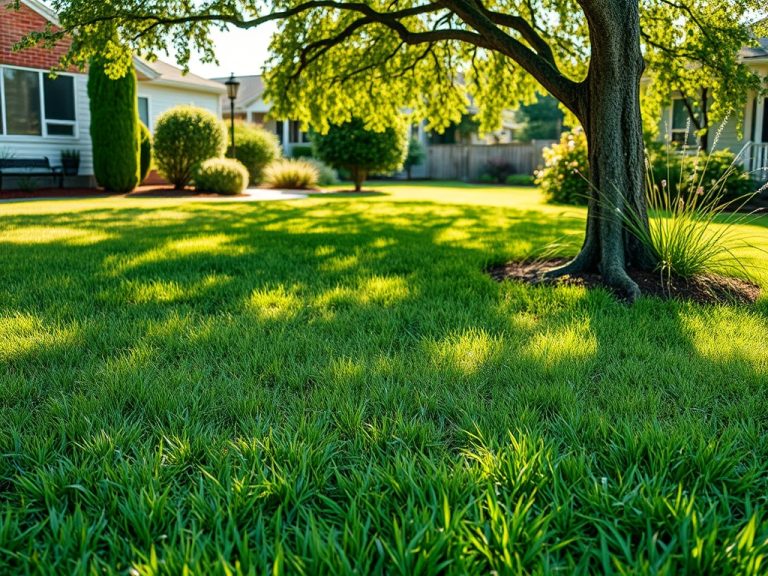
Traditional turf is not disappearing, but many designers and homeowners are asking where lawn is genuinely useful. A play area, pet zone, or open gathering space can justify turf. Sloped corners, narrow side yards, hot strips beside pavement, or decorative front-yard acreage may be better candidates for groundcovers, meadow-style planting, shrubs, or expanded beds depending on local conditions.
Current 2026 reporting has highlighted this move toward less lawn and more layered planting. Treat that reporting as a style signal rather than proof that turf is objectively wrong. The practical test is water demand, maintenance, use, climate, and the homeowner's preferred look.
If you are keeping turf through hot weather, the related guide on keeping a lawn green during summer heat explains how mowing height, irrigation timing, drought response, and local grass type affect the strategy.
Trend 3: Water Management Is Becoming Visible Design
Rain gardens, swales, permeable paving, disconnected downspouts, planted basins, and water-efficient irrigation are increasingly treated as design features rather than hidden infrastructure. The goal is to manage water where it falls, reduce runoff where feasible, and direct irrigation to plants that actually need it.
EPA WaterSense guidance on watering efficiently encourages homeowners to match irrigation to plant need, weather, soil, and local conditions instead of relying on a fixed clock schedule. In a modern landscape, that can translate into hydrozones: lawn, trees, shrubs, and drought-tolerant beds receive different water strategies rather than sharing one schedule.
Permeable materials can also soften large hardscape areas visually. Gravel, permeable pavers, planted joints, and stepping-stone systems can create a more porous look, but suitability depends on soil, slope, drainage design, accessibility, snow removal, and local codes.
| 2026 direction | Durable reason it may last | When to be cautious |
|---|---|---|
| Native and climate-adapted plants | Supports site fit, resilience, and habitat goals | "Native" must be region-specific and appropriate to the exact site |
| Reduced lawn | Can lower maintenance and water demand in some climates | Lawn may still be the best functional surface for play or pets |
| Permeable hardscape | Can support stormwater goals and visual softness | Poor subgrade or installation can undermine performance |
| Outdoor rooms | Extends living functions outside | Overbuilding can reduce planting, shade, and flexibility |
| Smart irrigation | Adjusts watering to weather or soil data | Technology still needs correct design, programming, and maintenance |
| Wellness features | Supports relaxation and outdoor use | Expensive single-purpose features can become short-lived fads |
Trend 4: Outdoor Rooms Are Getting More Purposeful
The 2026 version of the outdoor room is less about placing an indoor-looking sofa outside and more about assigning clear functions. A small patio can have a dining edge, a shaded reading seat, a grill zone, and a planted buffer without becoming crowded. Larger yards can use changes in paving, canopy, planting, lighting, or grade to create distinct spaces without building walls.
Current 2026 reporting has emphasized outdoor living rooms, wellness zones, and simpler functional layouts. These are subjective trends, not standards. Flexible seating, shade, and clear circulation often age better than highly specialized installations.
Trend 5: Shade Is Becoming a Performance Feature
As hot periods become more disruptive in many regions, shade is being designed intentionally. Trees, pergolas, retractable canopies, vine structures, and umbrellas can make outdoor spaces more usable while changing surface temperatures and glare. Trees can also provide habitat and seasonal character, but species selection, root space, mature size, utility conflicts, and wildfire considerations vary widely by region.
A landscape plan should coordinate shade with the building. Trees that shade a window in summer may affect winter solar gain; dense planting against a wall can complicate maintenance; and root systems should be kept away from infrastructure where needed. If the house itself has persistent comfort or energy problems, a home energy audit can help separate landscape opportunities from building-envelope issues.
Trend 6: Privacy Is Getting Softer
Tall opaque fences are still appropriate in many settings, but a softer privacy strategy is increasingly popular: layered shrubs, small trees, trellises, ornamental grasses, screens, and changes in seating orientation can create a sense of enclosure without turning the yard into a box.
Start with the exact view or sound you want to screen. A strategically placed tree or layered planting may solve a sight line more efficiently than a uniform hedge.
Trend 7: Maintenance Is Being Designed Out Early
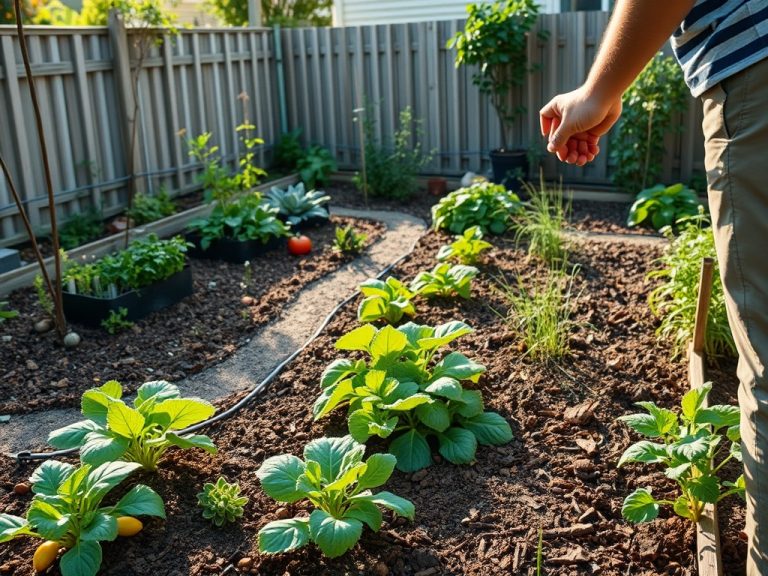
Low-maintenance design is moving upstream into planning decisions. Homeowners are asking how many hedge cuts, irrigation adjustments, leaf cleanups, replacements, and hours of weeding a design will require before approving it.
That favors right-sized plants, repeated species, durable edging, accessible irrigation, fewer tiny lawn fragments, and materials that can be repaired rather than replaced wholesale. It also discourages planting fashionable species in conditions they cannot tolerate.
Trend 8: Technology Is Becoming Quieter
Smart irrigation, lighting controls, and soil-moisture sensors work best when they support a clear landscape goal and remain easy to service.
EPA WaterSense explains that weather-based and soil-moisture-based irrigation controllers can adjust watering to changing conditions. That is a practical application of technology because it addresses a specific maintenance problem: fixed schedules that continue watering when plants do not need it.
What Looks More Like Hype Than a Durable Trend?
Highly specialized wellness equipment, novelty materials, and hyper-themed garden styles can age quickly when they are not tied to household use. A durable landscape starts with circulation, shade, healthy soil, manageable water use, and plants suited to the site.
Turn Trends Into Site-Specific Choices
The most credible 2026 landscaping direction is practical modernism: fewer arbitrary features, more site-responsive planting, purposeful outdoor rooms, smarter water management, and resilience built into the layout. Native plants, reduced lawn, permeable surfaces, shade, and smart irrigation are worth considering because they solve real problems, not simply because they appear in trend reports.
Your next step is to choose one pressure point in the yard, such as heat, maintenance, privacy, runoff, or lack of usable seating, and apply only the trends that solve that problem while fitting local climate and budget.
Informational note: Landscaping guidance is educational. Plant suitability, wildfire risk, stormwater rules, irrigation restrictions, accessibility requirements, utility setbacks, and building codes vary by region. Consult local authorities and qualified landscape professionals for site-specific design or regulated work.[/