
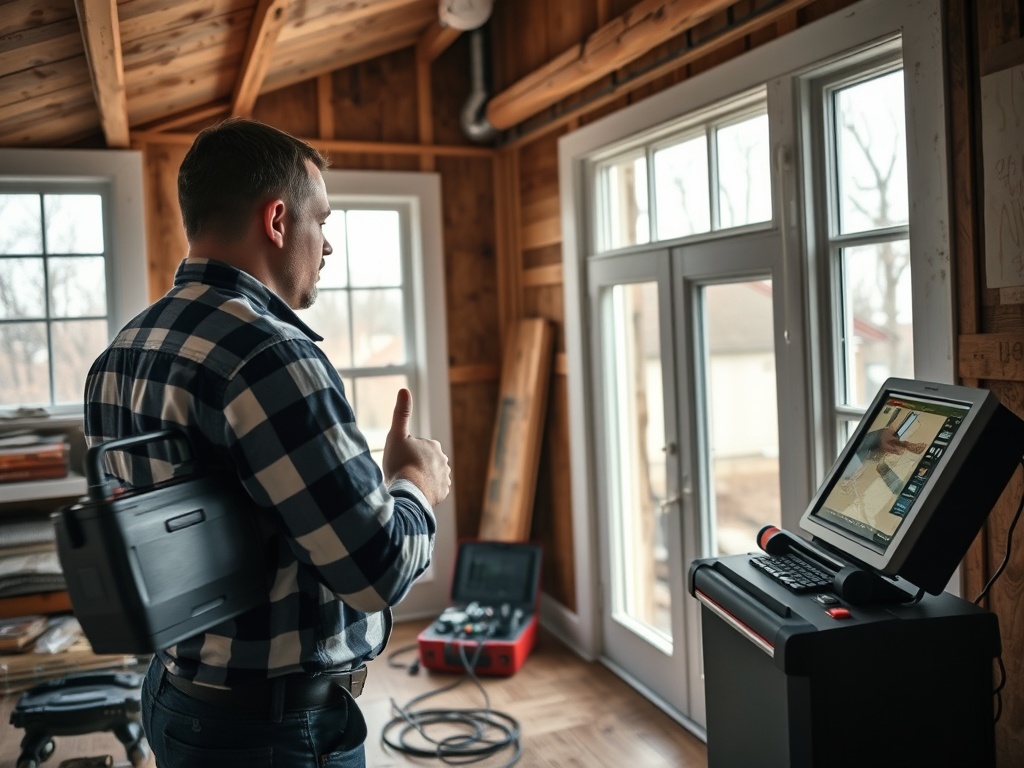
A home energy audit is most useful when you need to understand why a house feels uncomfortable, uses more energy than expected, or is about to undergo efficiency-related upgrades. It is usually better to assess the home before spending heavily on insulation, HVAC equipment, windows, or air sealing so the work can be prioritized around verified conditions rather than guesses.
Short answer: Consider an audit when bills or comfort change noticeably, before a major efficiency renovation, after moving into an older or unfamiliar home, when rooms are persistently hot or cold, or when you want a professional plan for reducing energy waste. A basic DIY review can identify obvious issues, but diagnostic testing can reveal problems that are hard to see.
What an Energy Audit Actually Does
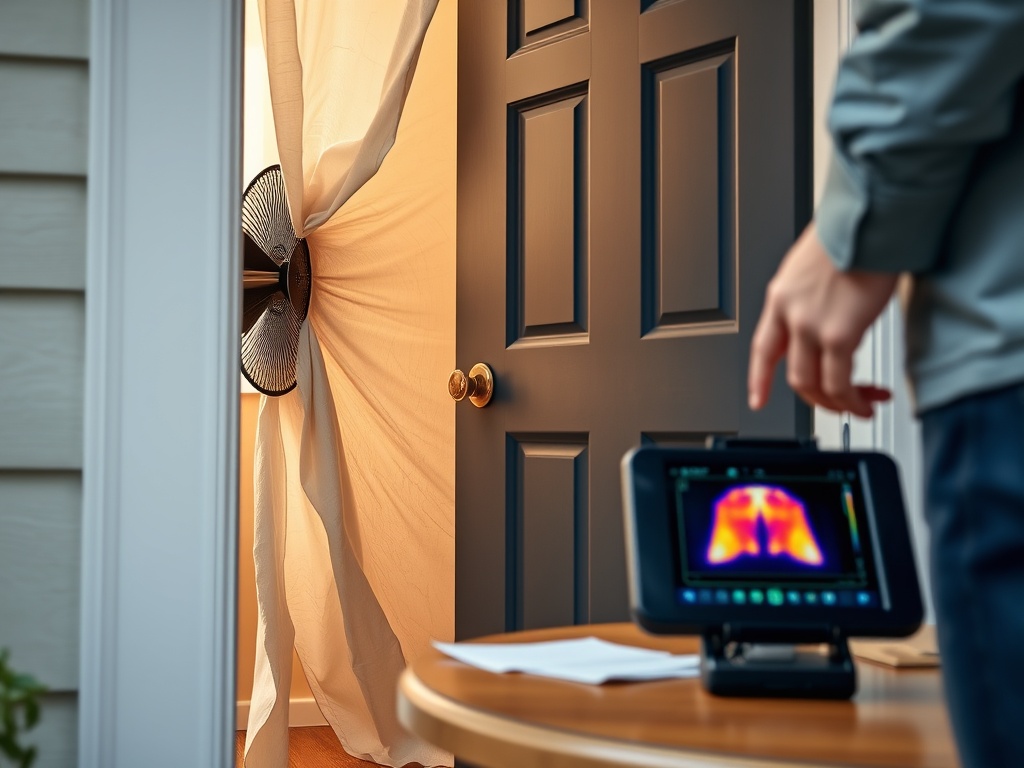
The U.S. Department of Energy describes a home energy assessment as a way to identify how a building uses energy and which improvements may make it more efficient. A professional assessment may include a visual inspection, review of energy bills, building-envelope evaluation, and diagnostic tools such as blower-door testing or infrared imaging when appropriate. You can read the DOE overview of why energy evaluations matter before deciding how detailed an assessment you need.
The value is not simply a list of upgrades. A useful report puts issues in context. For example, an uncomfortable upstairs room might be related to air leakage, duct performance, insulation, solar gain, equipment sizing, or a combination of factors. Replacing a single component without understanding the system can leave the underlying problem unchanged.
Good Times to Schedule an Audit
Before a Major Efficiency Upgrade
If you are planning insulation, air sealing, a heat pump, new HVAC equipment, or significant window work, an assessment can help establish priorities. Some measures work together, and the order matters. Air sealing may affect ventilation needs; envelope improvements may influence heating and cooling loads; and moisture or combustion-safety concerns should be identified before the house is tightened.
When Utility Use Suddenly Changes
A single high bill does not prove that the house has developed an efficiency problem. Weather, rates, occupancy, new appliances, thermostat settings, and billing periods can all change consumption. If higher use persists after accounting for those factors, an audit can help separate behavior from building performance.
When Comfort Problems Keep Returning
Rooms that stay too hot, too cold, drafty, humid, or difficult to condition are common audit triggers. ENERGY STAR's home performance assessment guidance notes that a professional review can include homeowner interviews, historical energy use, inspection of the home and mechanical systems, safety checks, and prioritized improvement recommendations.
Before or Soon After Buying an Older Home
A standard home inspection and an energy audit serve different purposes. An inspection focuses broadly on property condition and safety, while an energy assessment focuses on performance. In an older home, an audit can help you understand insulation levels, leakage paths, equipment condition, and likely efficiency priorities before you create a renovation budget.
| Situation | Audit urgency | Why it may help |
|---|---|---|
| Persistent hot or cold rooms | High | Identifies envelope, duct, or equipment-related contributors |
| Major insulation or HVAC project planned | High | Helps prioritize work and sequence improvements |
| One unusual bill | Low to moderate | First compare weather, rates, occupancy, and billing period |
| Recently purchased older home | Moderate to high | Builds a performance baseline for future upgrades |
| Home already comfortable with stable bills | Low | A DIY review may be enough unless you want deeper optimization |
DIY Review or Professional Audit?
A DIY review is a sensible first step when you want to look for obvious air leaks, insulation gaps, outdated lighting, equipment settings, or simple maintenance issues. ENERGY STAR provides DIY checks and inspection guidance and notes that a professional can perform a more comprehensive audit when you need to pinpoint solutions or identify potential safety concerns.
A professional assessment makes more sense when the problem is persistent, the house is complex, combustion appliances are present, or you are preparing for expensive improvements. Ask what testing is included, what credentials the assessor holds, whether the report will rank measures by priority, and whether the assessor also sells the upgrades being recommended.
Prepare So the Audit Answers the Right Questions
Gather 12 months of utility bills if available and note major changes in occupancy, work-from-home schedules, electric-vehicle charging, appliance use, or thermostat settings. Make a short list of comfort complaints by room and season. If a problem appears only during windy winter days or late summer afternoons, tell the assessor; timing can be diagnostic information.
Clear access to attics, crawlspaces, mechanical equipment, and other areas the assessor expects to inspect. Avoid hiding suspected problem areas unless safety requires it.
Coordinate the Audit With Other Home Projects
An energy assessment is especially useful early in a renovation timeline because performance work can affect finish work. If air sealing or wiring changes require access behind walls or trim, completing those steps before cosmetic upgrades reduces rework. That is one reason to plan the audit before final decisions on details such as cabinet hardware finishes in a larger kitchen or bath remodel.
Entry upgrades can also overlap with low-voltage wiring, Wi-Fi coverage, and power availability. If you are considering a video doorbell for a particular entry setup, note that project during planning so electrical and network needs are not treated as an afterthought.
Common Audit Mistakes
One mistake is assuming the most visible problem is automatically the most important. Drafty windows may be noticeable, but attic bypasses, duct leakage, or poorly sealed penetrations can sometimes matter more. Let the assessment establish priorities rather than starting with the most marketable replacement product.
Another mistake is treating modeled savings as a guarantee. Energy use depends on weather, utility rates, occupancy, thermostat behavior, equipment performance, and the quality of installation. Estimates are useful for comparing options, but they are not promises of a specific bill reduction.
A third mistake is ignoring health and safety. Air sealing can affect ventilation, and homes with fuel-burning equipment may require combustion-safety evaluation. Use qualified professionals familiar with local codes and climate conditions.
What to Do With the Report
Sort recommendations into three groups: safety and building-durability items, low-cost maintenance or operational fixes, and capital improvements. Then look for dependencies. Air sealing and insulation often belong in the same planning conversation; equipment replacement should account for the home's post-improvement load when appropriate; and ventilation may need attention after tightening the envelope.
Do not assume federal, state, local, or utility incentives are permanent. Programs and eligibility rules change. Verify current offers with the relevant government agency or utility before committing to a project, and confirm whether an audit must meet specific credential or documentation requirements.
Audit Before You Upgrade
The right time for a home energy audit is before uncertainty turns into expensive trial and error. Schedule one when comfort issues persist, energy use is difficult to explain, or a major efficiency project is approaching. If your home is stable and you are simply curious, start with a structured DIY review and escalate to professional testing when the questions become more complex.
A practical next step is to collect a year of utility data, list the rooms and seasons where comfort problems occur, and use that information to decide whether a DIY check or professional assessment is the better fit.
Informational note: Home energy guidance is educational and does not replace advice from qualified building-performance, HVAC, electrical, plumbing, or combustion-safety professionals. Requirements, incentives, and codes vary by location.[/