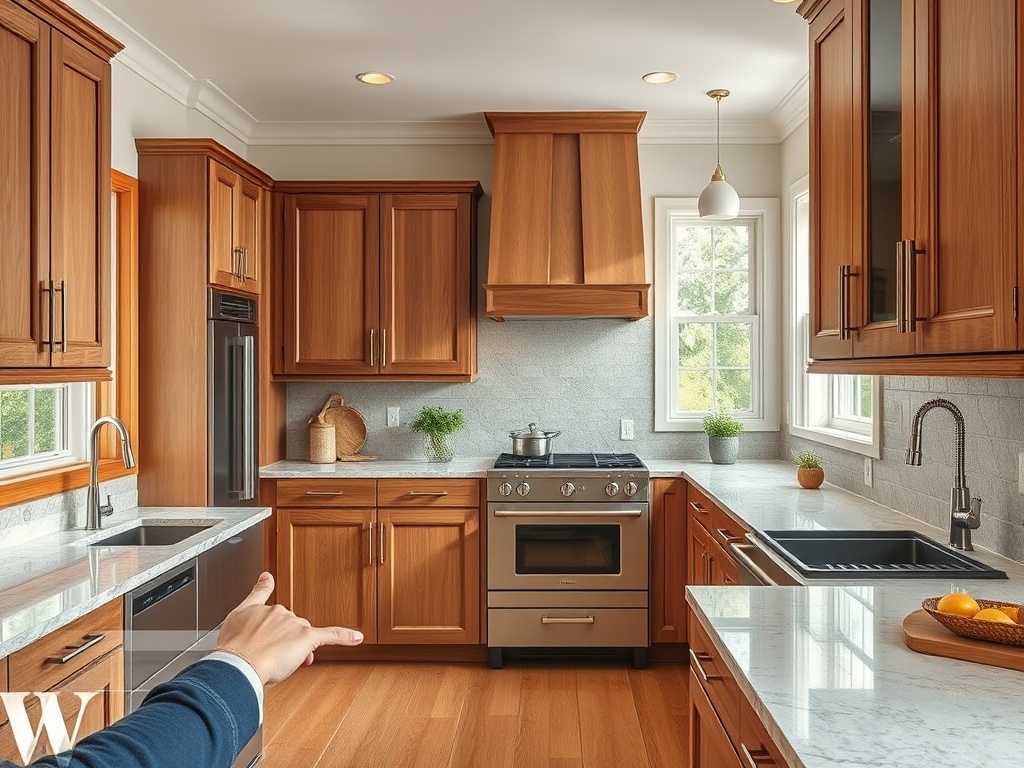
The best cabinet hardware finish is the one that supports the room's style, works with the cabinet color and surrounding fixtures, and still feels practical to touch every day. There is no single finish that is objectively best for every kitchen or bathroom, so the strongest choice comes from matching undertone, contrast, sheen, and maintenance expectations.
Quick take: Warm brass and bronze finishes tend to complement traditional, transitional, organic, and warm-wood rooms; nickel and chrome often suit crisp traditional or contemporary spaces; matte black creates graphic contrast; and mixed metals can work when one finish clearly leads the palette. These are design guidelines, not fixed rules.
Start With the Room Before You Start With the Metal
Cabinet hardware is small, but it repeats across a room. That repetition can quietly unify the space or become a strong visual accent. Before choosing a knob or pull, identify four things: the cabinet undertone, the countertop and backsplash colors, the finish of nearby plumbing or lighting, and the overall style you want the room to communicate.
A useful approach is to separate color temperature from sheen. Brass, aged bronze, and copper read warmer. Chrome and many nickel finishes read cooler, although polished nickel can have a softer warmth than chrome. Matte, satin, brushed, polished, antiqued, and living finishes change how strongly the metal catches light, so two pieces made from similar metals can feel very different in the same room.
Recent design guidance from Better Homes & Gardens similarly recommends considering a room's color palette and architectural style before narrowing the hardware finish. That is a more reliable starting point than choosing whatever metal happens to be trending.
| Finish | Often works well with | Design character | Practical note |
|---|---|---|---|
| Satin or brushed brass | Warm whites, green, navy, walnut, oak | Warm, tailored, transitional | Softer sheen tends to show fewer visual smudges than highly polished metal |
| Polished nickel | White, gray-green, marble, classic millwork | Refined, bright, traditional to transitional | Reflective surfaces may need more frequent wiping |
| Satin nickel | Cool neutrals, maple, light painted cabinets | Quiet, versatile, contemporary | A restrained option when you do not want the hardware to dominate |
| Matte black | White, pale wood, bold color | Graphic, modern, industrial | Strong contrast makes alignment and spacing more noticeable |
| Aged or oil-rubbed bronze | Cream, stained wood, rustic finishes | Traditional, rustic, old-world | Appearance varies substantially by manufacturer |
| Chrome | White, black, high-gloss or streamlined cabinetry | Crisp, modern, midcentury | High reflectivity can emphasize fingerprints and water spots |
Modern and Minimal Rooms Usually Benefit From Restraint
For flat-panel cabinets, slab doors, integrated appliances, or a low-clutter kitchen, simple geometry usually matters as much as finish. Long bar pulls, slim tabs, edge pulls, and compact knobs keep visual lines clean. Matte black can create a deliberate outline against pale cabinetry, while satin nickel or chrome can recede into stainless appliances and cooler surfaces.
If your small kitchen is also being planned around space-efficient equipment, coordinate hardware projection with appliance clearances and door swings; the guide to compact appliances for small homes can help with those tradeoffs before pulls are finalized.
Traditional and Transitional Spaces Have More Room for Detail
Traditional kitchens can support hardware with more shape: round knobs, cup pulls, latches, backplates, and subtly decorative profiles. Polished nickel often feels formal without being overly ornate, while aged brass or bronze can reinforce a sense of history. Unlacquered brass is a separate aesthetic choice because its appearance may change as the exposed metal reacts to handling and the environment.
Transitional design sits between classic and contemporary, so it is especially forgiving. A Shaker cabinet can move more modern with streamlined black pulls, more traditional with polished nickel knobs, or warmer with satin brass. The finish is not doing the job alone; scale, shape, spacing, and surrounding materials all influence the result.
Houzz has documented designers using brushed, matte, textured, leather, glass, and mixed-material hardware in very different ways. Treat those examples as inspiration rather than universal prescriptions.
Farmhouse, Rustic, and Organic Styles Need Texture More Than Perfection
Farmhouse and rustic rooms often look strongest when the hardware does not feel too pristine. Dark bronze, aged iron tones, blackened metal, warm brass, and simple wooden knobs can all work, depending on the cabinetry. The key is to support the materials already present. Reclaimed wood, soapstone, handmade tile, and visible grain usually pair better with tactile or softened finishes than with mirror-like hardware.
Mixing Metals Works Best With a Hierarchy
Matching every metal in a room is not required. In fact, a controlled mix can make a kitchen feel more layered. The common mistake is treating every finish as an equal. Instead, choose one dominant finish for the repeated element, usually cabinet hardware, then use one or two secondary finishes for plumbing, lighting, appliances, or decorative accents.
Architectural Digest recommends limiting the palette and allowing one finish to lead. That approach also makes future replacements easier because you are not trying to reproduce a complicated pattern across every surface.
If a renovation extends beyond cosmetic decisions, schedule performance-related work first. A home energy audit can be more useful before walls, trim, or built-ins are finalized, especially if air sealing, insulation, or mechanical upgrades might affect the renovation sequence.
Think About Touch, Cleaning, and Replacement
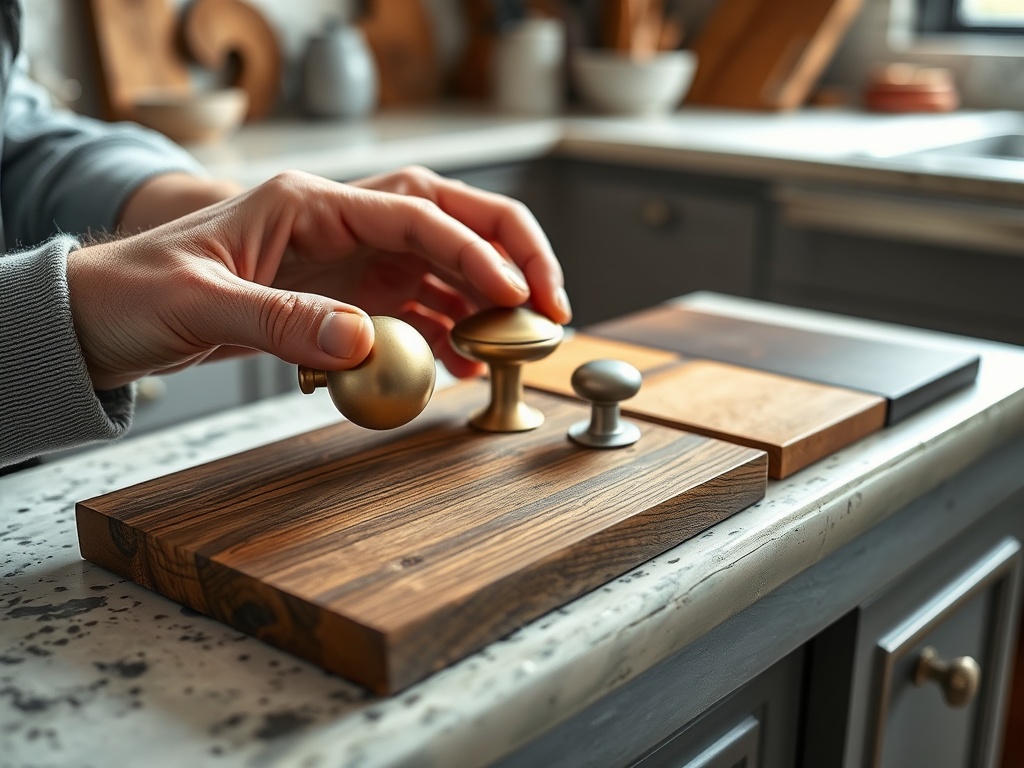
A sample can look beautiful on a display board but feel awkward after twenty openings a day. Before buying a full set, test at least one knob or pull on the actual cabinet if possible. Check finger clearance, grip comfort, projection, edge sharpness, and whether rings or fingernails repeatedly hit the cabinet face.
Follow the hardware manufacturer's cleaning instructions because abrasive cleaners, acids, polishes, and rough pads can alter coatings or patinas. Living finishes are intentionally variable, so uniform aging should not be assumed.
For replacement projects, measure existing hole spacing before shopping. Reusing the same center-to-center dimensions is often the simplest way to avoid filling and redrilling cabinet fronts. If you are changing from knobs to pulls, use a drilling template and confirm placement on a scrap board or removable guide before making permanent holes.
Common Finish Mistakes to Avoid
The first mistake is choosing a finish from a close-up product photo without viewing it beside the actual cabinet color. Screens shift color, and names such as champagne bronze, antique brass, brushed gold, and satin brass are not standardized across brands.
The second is mixing too many similar but not quite matching finishes. Intentional contrast usually reads better than accidental near-matches. If two metals will sit inches apart, compare real samples under the room's daytime and evening lighting.
The third is letting trend forecasts override the architecture. A finish can be fashionable and still look disconnected from the cabinet door style, faucet, or room. Current 2026 hardware coverage has highlighted patinated and textured metals, but trend reporting is best treated as a snapshot of design interest rather than a guarantee of long-term appeal.
Choose a Finish You Can Live With
A strong cabinet hardware finish should make sense from across the room and feel good in your hand up close. Narrow the choice by style and undertone, test the finish beside real materials, confirm the hardware feels comfortable, and then keep the metal palette disciplined. The most successful result is not the finish with the loudest trend label; it is the one that makes the cabinets and the rest of the room feel intentional.
For an easy next step, place two or three hardware samples on the cabinet doors for several days and view them in morning, afternoon, and evening light before ordering the full set.
Informational note: Design pairings in this article are subjective guidance. Follow manufacturer instructions for installation and finish care, and use qualified trade professionals for electrical, plumbing, structural, or other regulated renovation work.[/