
The best compact appliances for a small home are the ones that save floor or counter space without creating a new problem in capacity, ventilation, electrical load, noise, maintenance, or workflow. Instead of shopping by the word “compact” alone, measure the space, define the household’s real use pattern, and compare full-size, narrow, drawer, countertop, and combination formats by function.
Space-saving take: Compact refrigerators and narrow dishwashers save permanent floor area, combo washer-dryers combine two functions in one footprint, and countertop cooking appliances can reduce dependence on a full oven for small meals. The tradeoff is usually capacity, cycle time, storage, or countertop space, so the right choice is highly household-specific.
Start With a Space Map, Not a Product List
Measure width, height, depth, door swing, handle projection, baseboard interference, nearby drawers, ventilation clearance, plumbing access, outlets, and the path needed to bring the appliance into the home. In a small kitchen, two inches of projection can change whether a walkway feels comfortable. In a closet laundry area, a door that cannot open fully can make routine loading frustrating.
Also map frequency. A small refrigerator used by one person is a different problem from a compact refrigerator expected to serve a family. A two-place-setting countertop dishwasher may be useful in a studio with limited plumbing options, while a narrow built-in dishwasher may be a better long-term fit in a small but permanent kitchen.
ENERGY STAR’s current certified refrigerator listings include compact models across a range of capacities, which is a useful reminder that “compact” is not one standard size. Compare the label and model dimensions rather than relying on category names.
| Appliance format | Best for | Space advantage | Main compromise |
|---|---|---|---|
| Compact or undercounter refrigerator | Studios, beverage zones, small households | Shorter or narrower cold-storage footprint | Less food and freezer capacity |
| Narrow or compact dishwasher | Small permanent kitchens | Keeps built-in workflow with less width or capacity | Fewer place settings per cycle |
| Countertop dishwasher | Rentals or kitchens without cabinet space | No permanent base-cabinet footprint | Uses counter area and may need sink connection |
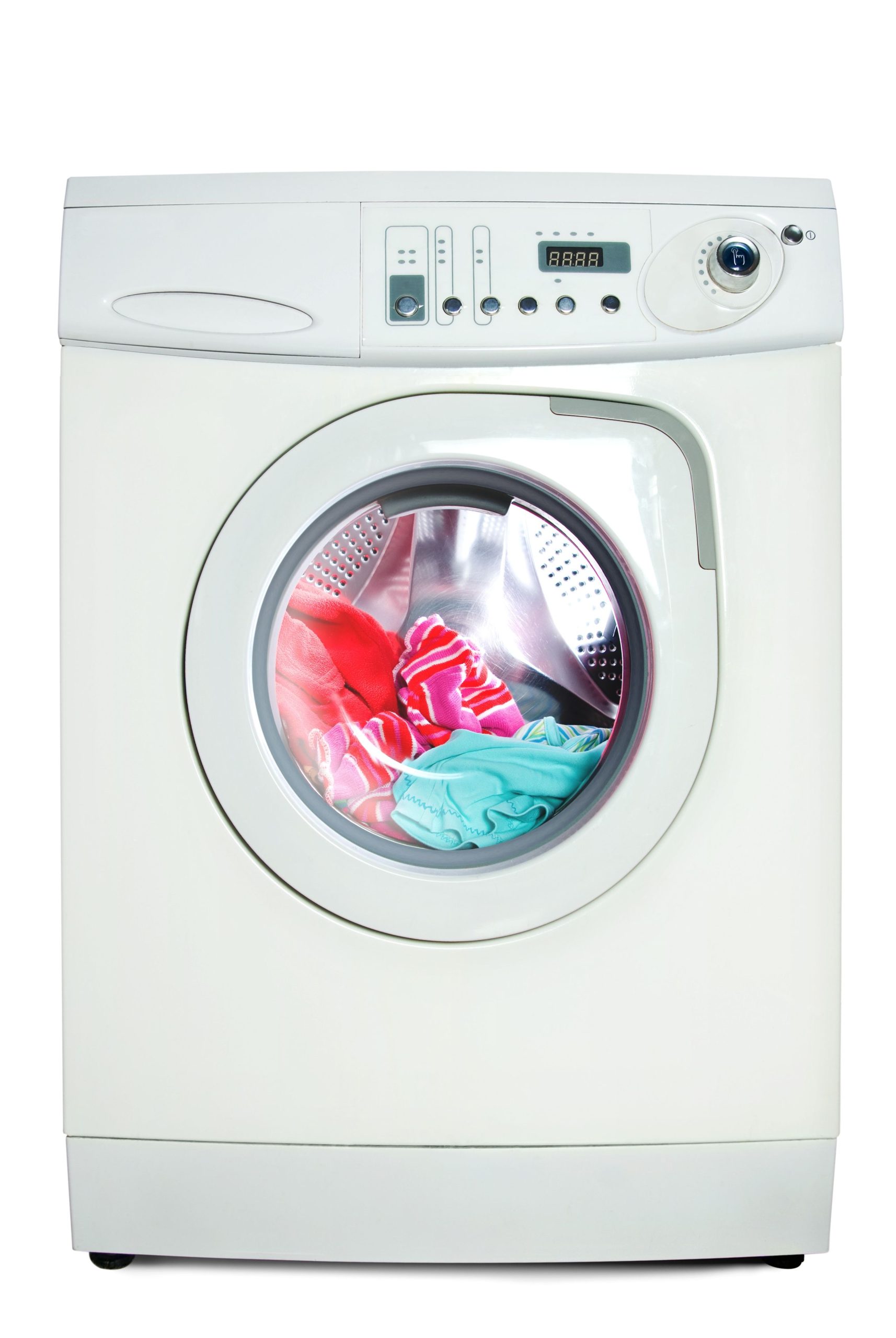
| All-in-one washer-dryer | Apartments, closets, one-machine laundry zones | One footprint for washing and drying | Longer total cycles and smaller practical loads in many cases |
| Countertop convection oven or air fryer | Small meals, secondary cooking | Can reduce use of a large oven for some tasks | Takes valuable counter and storage space |
| Portable induction cooktop | Flexible or supplemental cooking | Stores away when not needed | Requires compatible cookware and appropriate electrical capacity |
Compact Refrigerators: Best When Capacity Is Deliberate
Compact refrigerators are useful when a smaller cold-storage volume actually matches the household. They can work in studios, accessory units, offices, guest suites, or as supplemental refrigeration. The mistake is assuming a smaller exterior always means efficient use of energy or space. Compare annual energy use, usable volume, shelf layout, freezer configuration, door swing, and ventilation requirements model by model.
If energy performance matters, use certified product databases rather than marketing adjectives. ENERGY STAR publishes model-level energy information, and its listings can be filtered to compare compact refrigerators. Do not assume the smallest unit automatically has the lowest annual energy use per unit of storage.
Best for: one- or two-person households with disciplined grocery habits, or secondary storage zones where full-size capacity is unnecessary.
Narrow and Countertop Dishwashers: Compare Workflow Carefully
A narrow built-in dishwasher preserves the familiar load-and-forget workflow while giving up some capacity. Drawer dishwashers can be useful when ergonomic access or flexible small loads matter, although cabinetry and plumbing requirements vary. Countertop dishwashers avoid giving up a base cabinet but occupy counter space and may require a faucet connection or other installation arrangement.
ENERGY STAR’s certified dishwasher database includes compact models, so compare water use, annual energy use, dimensions, and place settings for the exact products you are considering. If the kitchen has only a short run of cabinets, losing counter space to a portable appliance can be more disruptive than sacrificing a narrow base cabinet.
Best for: households that cook regularly but do not need the capacity of a standard dishwasher every cycle.
Combo Washer-Dryers: Best When One Footprint Matters More Than Speed
All-in-one washer-dryers can solve a real layout problem because the same drum washes and dries. That can be valuable in a closet, apartment, or accessory dwelling unit where stacked machines still do not fit. However, the combined process may take longer than separate machines, and the practical load that dries effectively can differ from the maximum wash load depending on the model.
Before buying, check venting, electrical requirements, drainage, service access, and clearances. Remember that one machine doing both jobs cannot wash a second load while the first is drying.
Best for: small households with severe space constraints and flexible laundry timing.

Countertop Cooking Appliances: Best When They Replace a Habit, Not Just Add a Gadget
A compact convection oven, toaster oven, multicooker, or air fryer can be useful if it handles tasks you perform often. It is not space-saving if it permanently occupies the last open prep surface while the full-size oven and range remain necessary for everything else.
Choose one or two high-use functions rather than collecting overlapping appliances. Check required clearances around heat-producing countertop equipment, keep cords away from sinks and hot surfaces, and follow manufacturer instructions for ventilation. Never use extension cords as a casual solution for high-wattage kitchen appliances unless the manufacturer and applicable electrical requirements explicitly allow it.
Best for: small households that routinely prepare modest portions and can store or dedicate space to a genuinely high-use appliance.
Portable Induction: Flexible, but the Electrical Details Still Matter
A portable induction cooktop can create a cooking zone that stores away, which is useful in compact kitchens or temporary setups. Induction-compatible cookware is required, and the unit’s power demand must suit the circuit and receptacle. It is less useful if there is nowhere safe to store it between meals.
Do Not Ignore Energy and Building Systems
Small homes magnify heat, moisture, noise, and storage conflicts. A ventless laundry appliance, portable air conditioner, dehumidifier, or countertop oven can change internal heat and humidity loads. If the home already has comfort or energy-use problems, a home energy audit can help identify building-level issues before you try to solve them with more appliances.
Kitchen renovations also work better when appliance dimensions are finalized before finish details. If cabinets are being replaced or modified, choose appliance clearances and door swings first, then coordinate details such as cabinet hardware finishes so pulls do not collide with neighboring doors or narrow circulation paths.
Common Small-Appliance Buying Mistakes
Measure the delivery route as well as the opening, and leave enough service access for removal, plumbing shutoffs, and repairs. Also buy for normal weekly use rather than rare maximum-capacity scenarios.
The fourth is treating every countertop appliance as a substitute for built-in ventilation or safe electrical planning. Cooking produces heat, moisture, grease, and combustion products depending on the fuel and method. Follow the appliance instructions and local requirements rather than improvising around space limits.
Measure First, Then Choose
Compact appliances work best when each one earns its footprint. Compare the actual dimensions, capacity, energy label, utility connections, maintenance access, and daily workflow before looking at styling. A slightly larger appliance that fits the routine can be more space-efficient in practice than a tiny model that forces extra cycles, grocery trips, or countertop clutter.
For the next step, draw a simple floor plan with appliance clearances and door swings, then shortlist only models that fit both the physical space and the household’s normal weekly routine.
Informational note: Appliance installation and electrical, gas, plumbing, ventilation, and clearance requirements vary by model and jurisdiction. Follow current manufacturer instructions and local codes, and use qualified trades where required.[/