
TL;DR: The most worthwhile fitness trends for women are usually the ones that make evidence-based training easier to do: progressive strength work, appropriately dosed aerobic exercise, balance and mobility where useful, and technology that supports rather than controls decisions. Skip trends that promise spot reduction, detoxification, hormone “resetting,” or extreme results without credible evidence.
Fitness trends can be useful when they lower barriers or renew interest, but popularity is not the same as proof. Women also are not a single training category: age, pregnancy status, menopause, health conditions, experience, goals, and preferences can meaningfully change what is appropriate. The safest way to judge a trend is to ask whether it supports established training principles and can be adapted to the individual.
Worth Trying: Strength Training With Clear Progression
The ACOG physical activity guidance for women encourages regular activity and discusses aerobic and muscle-strengthening exercise, while warning against excessive activity and unsafe progression. Strength training is not new, but its growing mainstream visibility is useful because resistance work supports strength, function, bone-loading activity, and the ability to perform everyday tasks.
A good trend is not “lift as heavy as possible.” It is progressive resistance training that matches experience and technique. Machines, free weights, bands, and bodyweight exercises can all be valid tools when the program is measurable and gradually challenging.
Worth Trying: Low-Impact Cardio, Walking, and Sustainable Conditioning
Walking programs, incline treadmill work, cycling, swimming, and other lower-impact options can make aerobic training accessible to people who do not enjoy running or high-impact classes. The key question is whether the activity reaches an appropriate intensity for the goal and can be repeated without aggravating pain.
The Physical Activity Guidelines for Americans provide the broader evidence-based target for aerobic and muscle-strengthening activity. A trend is most useful when it helps someone meet or build beyond those recommendations, not when it claims to replace basic physical activity with a shortcut.
Worth Trying Carefully: Wearables and App-Guided Training
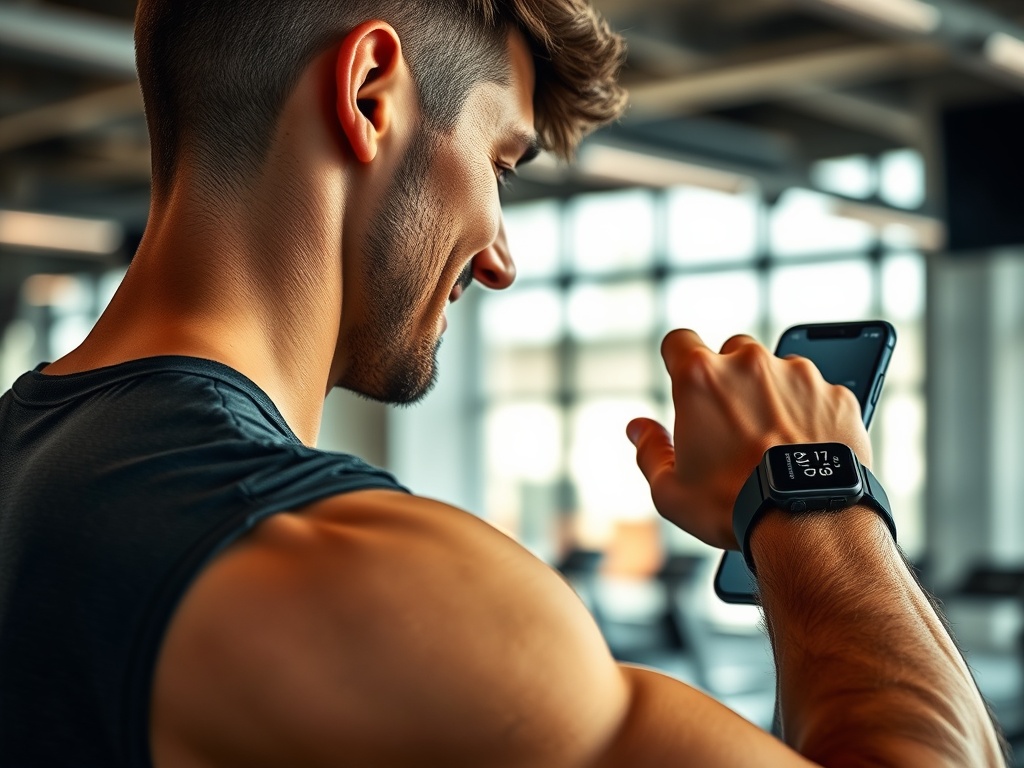
Wearable technology is the top trend in the ACSM 2026 fitness trends. For women, wearables can make activity patterns, heart-rate trends, sleep estimates, and training logs easier to review. Their best role is supportive: they provide data that can inform decisions, but the data are not a diagnosis and should not override symptoms, medical advice, or common sense.
Cycle tracking and symptom logging may also be useful for some women, but generalized claims that every workout should be dictated by a menstrual phase are stronger than the evidence supports for individual prescription. Personal patterns can be tracked without assuming that one template applies to everyone.
Worth Trying if You Like It: Pilates, Yoga, and Core-Focused Classes
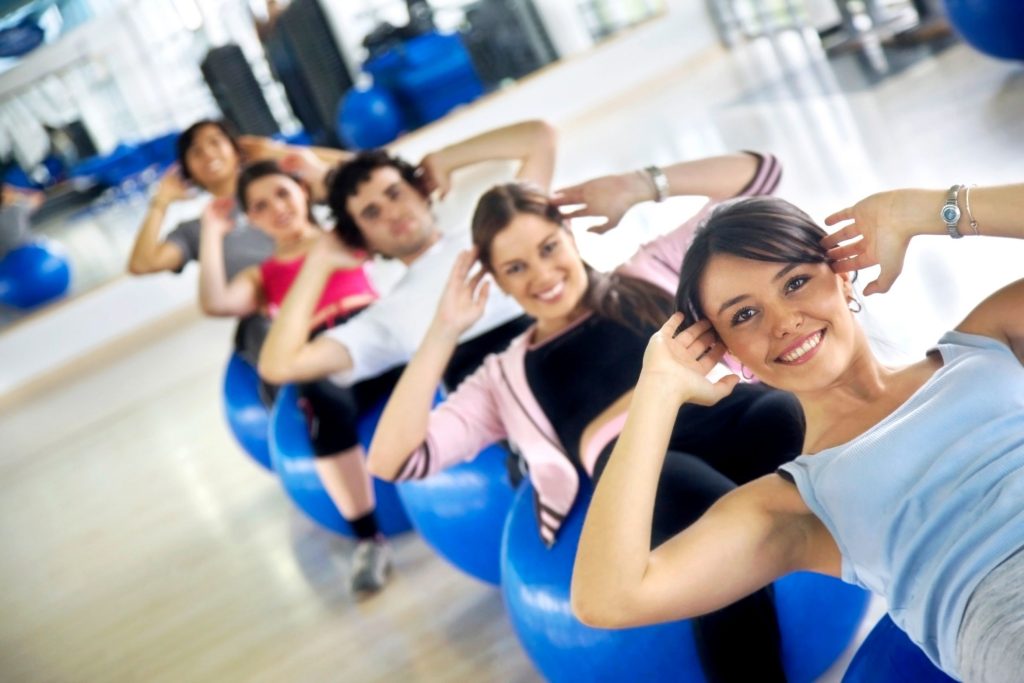
Pilates, yoga, and other controlled-movement classes can support strength endurance, balance, flexibility, body awareness, and enjoyment depending on the format. They are not automatically superior to other training methods, and a class labeled “toning” does not create a unique physiological process. Use them because they fit your goals and preferences, not because marketing suggests women require a separate type of muscle.
If a class becomes your main form of training, check what it does and does not provide. The 2026 ACSM survey also highlights strong current interest in balance, flow, core strength, wearables, apps, and other technology. Those can complement resistance and aerobic work rather than replace everything else.
Skip the Claim: Spot Reduction and “Long, Lean Muscle”
Exercises can strengthen a specific muscle, but they do not let you choose exactly where body fat will be lost. Marketing language about creating “long, lean muscle” also confuses appearance with anatomy. Training can build muscle and improve performance; changes in body composition depend on broader factors including energy balance, genetics, and overall training.
Skip the Claim: Detoxes, Sweat-Based Fat Loss, and Hormone Resets
Sweating changes fluid balance, not body fat by itself. Detox teas, cleanses, and vague “hormone reset” plans often make broad claims without defining a measurable physiological problem or showing high-quality evidence that the proposed product solves it. Hormonal symptoms deserve proper medical evaluation rather than a generic online protocol.
Use a Simple Trend Filter Before You Commit
| Question | Green flag | Red flag |
|---|---|---|
| What is the mechanism? | Matches established exercise or nutrition principles | Relies on vague toxins, “female fat,” or secret metabolic claims |
| How is progress measured? | Strength, endurance, function, symptoms, or a clear behavior | Only dramatic before/after imagery |
| Can it be modified? | Scales to experience, recovery, pregnancy status, or health needs | One rigid plan for every woman |
| What happens if you stop? | You keep useful skills and fitness | The seller says results vanish unless you keep buying |
The broader goal is a routine you can sustain. What to eat before and after lifting is useful if strength training is part of the plan, while making recovery a habit can help if trend-driven classes are crowding out rest.
When Individual Guidance Matters More Than a Trend
Pregnancy, the postpartum period, osteoporosis, pelvic-floor symptoms, eating disorders, significant menstrual changes, chronic conditions, and persistent pain can all change training decisions. A qualified healthcare professional or appropriately credentialed exercise specialist can help adapt activity without assuming that a social-media trend is safe or effective for a specific situation.
Case Example: Turning a Trend Into a Complete Week
Consider someone who enjoys Pilates and a wearable but wants to become stronger. A balanced week might keep two Pilates sessions for enjoyment and core-focused work, add two progressively loaded strength sessions, and include walking or another aerobic activity across the week. The wearable can help log activity, but it does not need to dictate food intake or punish a missed target. This approach uses the trend as an entry point while still covering broader fitness qualities and leaving room for recovery.
The same principle works in reverse: if a high-intensity class is enjoyable but leaves persistent soreness, reduce frequency and add easier aerobic or strength work instead of assuming more classes will produce faster results.
Cost is another useful filter. A trend that requires expensive memberships, repeated testing, or proprietary supplements should provide a clear benefit over simpler alternatives. Many established fitness outcomes can be pursued with basic resistance training, walking or other aerobic activity, and ordinary food. Paying for convenience, coaching, or enjoyment can be reasonable; paying because marketing implies the basics no longer work is a different proposition.
Choose Trends That Strengthen the Basics
The best trend is one that makes proven habits easier to repeat: strength work you can progress, cardio you can sustain, enjoyable movement, appropriate recovery, and technology that clarifies rather than controls. If diet rules are being bundled into a fitness trend, transitioning from diet mentality to sustainable eating can help separate useful nutrition structure from restrictive marketing.