
TL;DR: Personalized fitness is moving beyond one-size-fits-all plans through wearables, mobile apps, connected equipment, and data-driven programming. The useful future is not an algorithm that “knows your body” perfectly; it is a system that combines reliable measurements, clear goals, human judgment, and adjustable plans while respecting privacy and uncertainty.
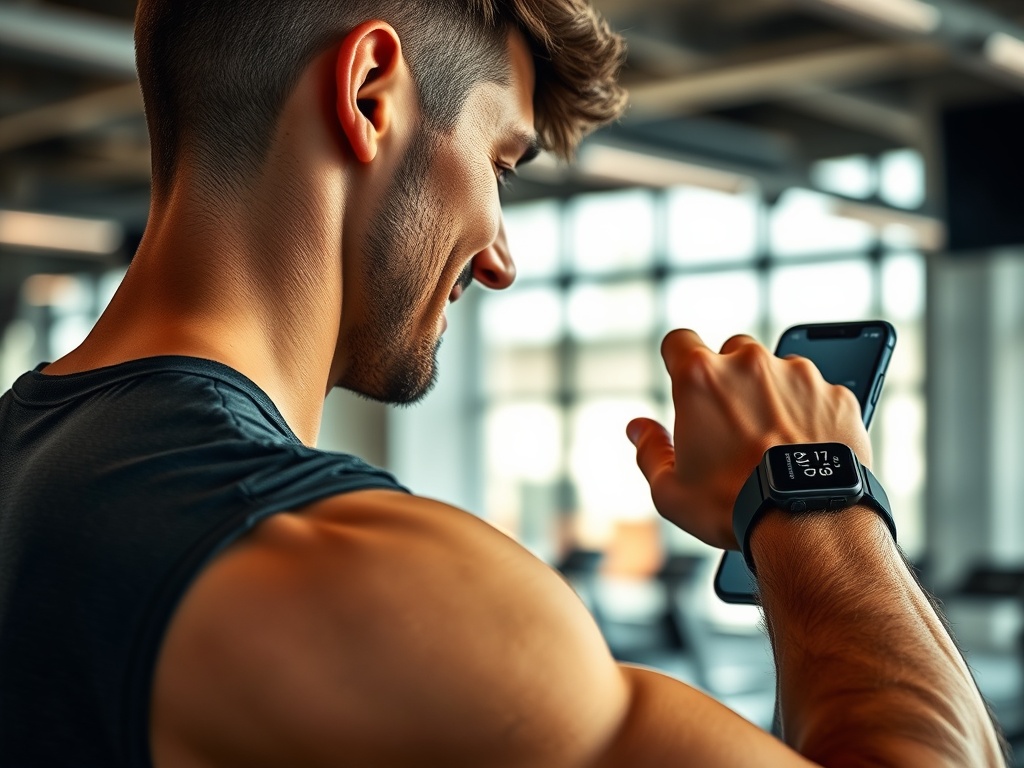
Personalized fitness is already more than choosing a beginner, intermediate, or advanced plan. Wearables can track heart rate and movement, apps can adapt sessions, and connected platforms can combine training history with self-reported readiness. The ACSM 2026 fitness trends report ranks wearable technology first and also highlights mobile exercise apps and data-driven training technology, showing how central digital tools have become to the fitness market.
Myth: More Data Automatically Creates Better Training
A device can collect large amounts of data without answering the most important question: what should you do differently today? Useful personalization filters information through a specific goal. A runner may care about pace, volume, and recovery. A beginner may need reminders and simple progression. An older adult may care more about steps, balance practice, strength, and function than about a complex readiness score.
Data also contain noise. Wrist heart-rate readings can vary with device fit and activity; sleep estimates are not the same as a clinical sleep study; calorie-burn estimates are not precise enough to dictate exact food intake. Personalization should include uncertainty instead of presenting every metric as fact.
Myth: An Algorithm Can Replace Coaching Context
An app can adjust sets or recommend a lighter workout, but it may not understand that the user is returning after illness, has a new pain pattern, is pregnant, changed medication, or slept poorly because of a major life event. Human context still matters, especially when a decision crosses from fitness programming into health assessment.
The ACSM fitness trends resource describes technology as part of the current fitness landscape, but “personalized” should not be treated as “clinically validated.” Different tools are designed for different purposes, and consumers should check what a device actually measures and how the recommendation is produced.
What Better Personalization Will Probably Combine
- Baseline ability: current strength, aerobic fitness, mobility, injury history, and skill level.
- Training response: performance trends, session completion, perceived exertion, and recovery.
- Context: available time, equipment, travel, climate, work demands, and preferences.
- Health constraints: known conditions, symptoms, medications, and clinician guidance where relevant.
- Behavior: which sessions a person actually completes and what repeatedly causes drop-off.
The last category is often underappreciated. A theoretically perfect plan that a person avoids is not personalized in any meaningful sense. Future systems that learn from adherence patterns may be more useful than systems that only optimize physiological variables.
Personalization Should Change the Plan, Not Just the Dashboard
A common weakness in fitness technology is collecting information without turning it into a simple action. Better tools should make the adjustment visible: reduce today’s volume, move the hard session, add recovery, progress a load, change an interval target, or keep the plan unchanged because the data do not justify intervention.
| Input | Potential useful adjustment | Risk if overinterpreted |
|---|---|---|
| Training history | Progress or repeat a workload based on recent performance | Assuming short-term improvement will continue indefinitely |
| Heart-rate response | Modify aerobic intensity or monitor trend | Treating one abnormal reading as a diagnosis |
| Sleep/readiness estimate | Consider an easier session when several signals agree | Letting a single score control behavior |
| Adherence pattern | Offer shorter sessions or different scheduling | Optimizing for completion while losing the original goal |
| Preferences | Choose modes and exercises the person will repeat | Avoiding all necessary challenge because it is less enjoyable |
This is where behavior matters directly to technology: personalization should reduce recurring friction, not simply produce a more sophisticated workout.
The Privacy Question Will Become Part of Fitness Quality
Personalization requires data, and health-adjacent data can be sensitive. Before connecting multiple platforms, users should understand what is collected, where it is stored, whether it is shared, and whether deleting an account deletes the underlying data. A useful recommendation is not worth unlimited access to personal information.
Privacy also affects trust. People may answer readiness questions differently if they believe employers, insurers, advertisers, or unrelated third parties could access the data. The quality of personalization depends partly on whether users feel safe providing accurate information.
Myth: Generic Plans Will Disappear
Generic plans still have value because they provide a tested starting structure. The Physical Activity guidelines for americans are intentionally broad public-health guidance, not individualized prescriptions. In the same way, a well-designed general strength or cardio template can serve as a baseline that becomes more specific only when the user’s response provides a reason to adapt it.
The future is likely to be layered: a general evidence-based framework, then adjustments based on goals, ability, response, context, and preference. That is more defensible than pretending a device can discover a completely unique physiology after a few days of data.
Where Personalization Can Help Different Goals
For endurance training, systems can compare pace, heart rate, perceived effort, and recent workload to adjust sessions. For strength training, they can use rep performance and session history to suggest load ranges. For older adults, tools may emphasize activity, strength, balance, and safe progression. For weight management, technology can support behavior tracking, while what to eat when weight loss stalls keeps estimated calorie burn from becoming the sole driver of food decisions.
When cardio data appear to show a plateau, what to do when cardio progress stalls provides a simple diagnostic process before adding more intensity. When the larger challenge is staying active across months, what consistency looks like over a full year is a better framework than chasing a perfect readiness score.
A Good Personalized System Explains Its Reasoning
The most useful recommendation is one a person can understand. If an app reduces a workout, it should be able to show the signals that contributed, such as unusually high recent workload combined with poor self-reported recovery. If it progresses a plan, it should connect the change to completed sessions or performance. Transparent reasoning lets users notice obvious errors and keeps the tool from becoming an unquestioned authority. It also helps coaches and clinicians interpret the data when a health issue changes the training context.
Personalization should also have an off switch. If a person becomes anxious about missing a device target, repeatedly trains to improve a readiness score, or changes meals based on estimated calorie burn, the tool may be creating more friction than value. A good system allows manual overrides, rest days, and periods with less tracking. The technology should support a fitness habit that can exist even when the battery is empty or the subscription ends.
Use Technology to Support Judgment, Not Replace It
The most promising personalized fitness systems will be transparent about what they measure, cautious about what they infer, and practical about what the user should do next. Wearables and apps can make training more responsive, but the best plan will still need clear goals, sensible progression, recovery, and human judgment when symptoms or health conditions change the picture.