
Sensory hospitality design is likely to become less about dramatic signature effects and more about controllable comfort. Hotels and resorts may use lighting, acoustics, temperature, materials, scent, and digital controls to create spaces that adapt to different guests and different moments of a stay.
TL;DR: The next phase of sensory hotel design will probably emphasize adjustable environments, acoustic quality, healthier materials, subtle technology, and inclusive comfort. The strongest concepts will be measurable and optional rather than relying on intense scent, theatrical lighting, or one fixed idea of what every guest should enjoy.
Comfort Will Become a System, Not a Styling Layer
A hotel lobby can look impressive and still feel exhausting if it is noisy, overheated, overly scented, or visually harsh. Future sensory design is likely to treat those conditions as part of performance rather than decoration. The WELL Building Standard already frames light, thermal comfort, sound, materials, air, mind, and other environmental factors as connected parts of occupant well-being. Its building standard framework is not a hotel trend forecast, but it demonstrates how design can move from subjective taste toward measurable environmental conditions.
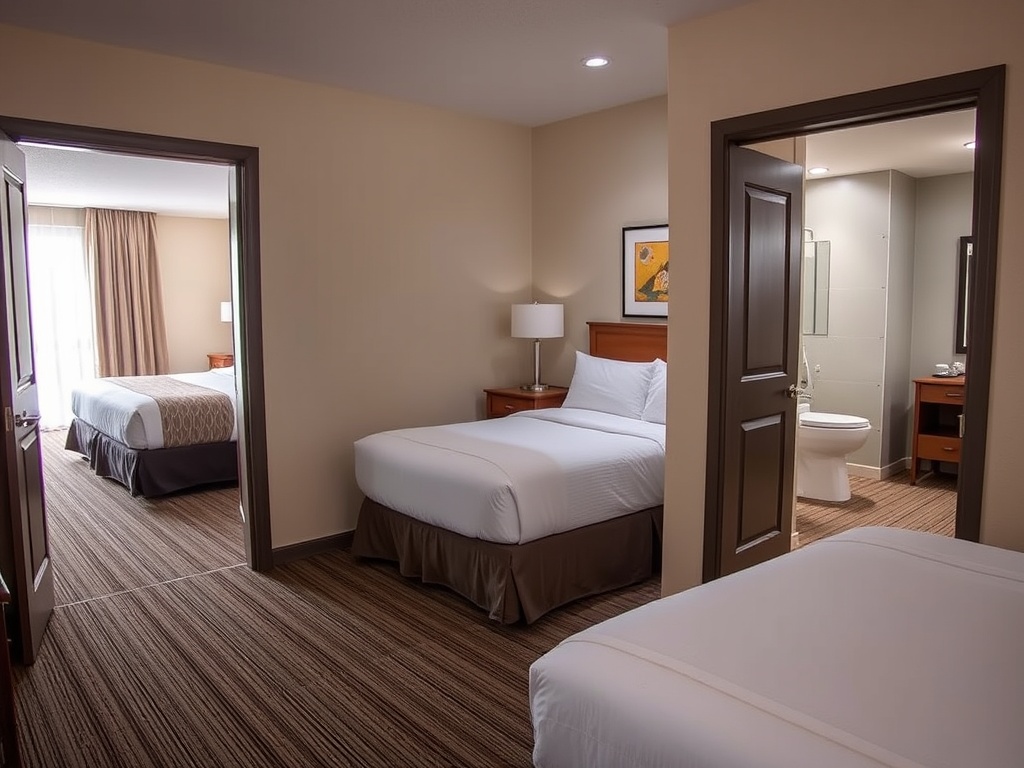
For hospitality, that shift matters because the guest experience changes throughout the day. A breakfast space needs different acoustic and lighting conditions from a late-night lounge. A business traveler may want a room that supports focus before a meeting, while a family may prioritize easy circulation and reduced noise between sleeping areas. The future of hotel segmentation may therefore influence design at the room and zone level, not by creating stereotyped spaces for demographic groups, but by supporting a wider range of use cases.
Acoustic Design Will Move Up the Priority List
Sound is one of the least visible design elements and one of the easiest to notice when it fails. Mechanical equipment, corridor noise, door closers, elevators, adjacent entertainment areas, hard surfaces, and poor room-to-room isolation can all affect perceived comfort. WELL's comfort guidance explicitly addresses exterior noise, internally generated noise, reverberation, and sound-reducing strategies, showing how acoustic performance can be specified rather than left to taste.
Future hotel projects may use more zone-specific acoustic targets, softer transitions between active and quiet areas, and operational controls that consider time of day. Designers may also pay more attention to how restaurants, pools, co-working lounges, and event areas interact with guestrooms. The opportunity is not to make every hotel silent. It is to create intentional sound conditions so social spaces feel energetic without making rest areas unpredictable.
Lighting Will Become More Adaptive and Less Theatrical
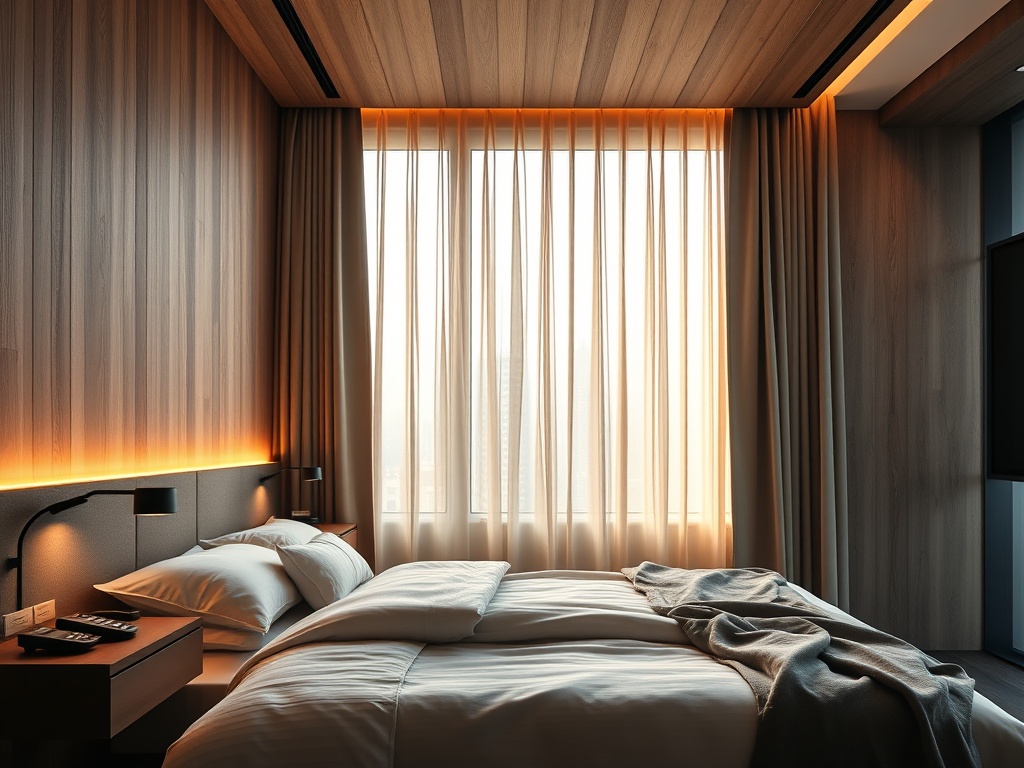
Hotel lighting is likely to become more responsive to function and time. Guests already encounter layered lighting in many properties, but future systems may give them simpler control over brightness, warmth, reading zones, bathroom lighting, and nighttime circulation. The best systems will hide complexity behind understandable controls instead of requiring a guest to learn a wall of unlabeled switches.
This is also where the future of AI-first hotels could intersect with sensory design. A room system might suggest a calmer evening setting after check-in or restore a saved preference for a returning guest. That possibility should remain optional. A guest should be able to override automation instantly, and basic room functions should continue to work even when an app, profile, or network connection is unavailable.
Materials and Touch Will Carry More of the Brand Story
As digital interfaces become more common, physical materials may become more valuable as a source of character. Stone, timber, textiles, ceramic surfaces, metal finishes, planting, and local craft can give guests a sense of place that a screen cannot replicate. The challenge is balancing authenticity with durability, cleaning requirements, accessibility, maintenance, and environmental performance.
The Hotel Sustainability Basics initiative from the World Travel & Tourism Council focuses on operational sustainability rather than interior aesthetics, yet it reinforces a useful principle: environmental claims should connect to concrete actions such as energy, water, waste, and responsible operations. Sensory design may follow the same direction. Instead of treating natural materials or biophilic elements as visual signals alone, hotel teams can ask how those choices perform over their full lifecycle and how they affect maintenance, air quality, durability, and guest comfort.
Scent Will Need Stronger Boundaries
Scent is often discussed as a memorable hospitality cue, but the future is likely to require more restraint. Guests can have allergies, sensitivities, migraines, respiratory conditions, or simply different cultural and personal preferences. A signature aroma that feels pleasant to one traveler can make another traveler avoid a lobby or room.
Design teams may respond by concentrating scent in limited zones, reducing intensity, improving ventilation, and making fragrance-free accommodations easier to request and verify. This is a good example of the difference between a marketing idea and a guest-centered sensory system. Memorable does not have to mean intense.
Integrated Resorts Will Need Sensory Zoning
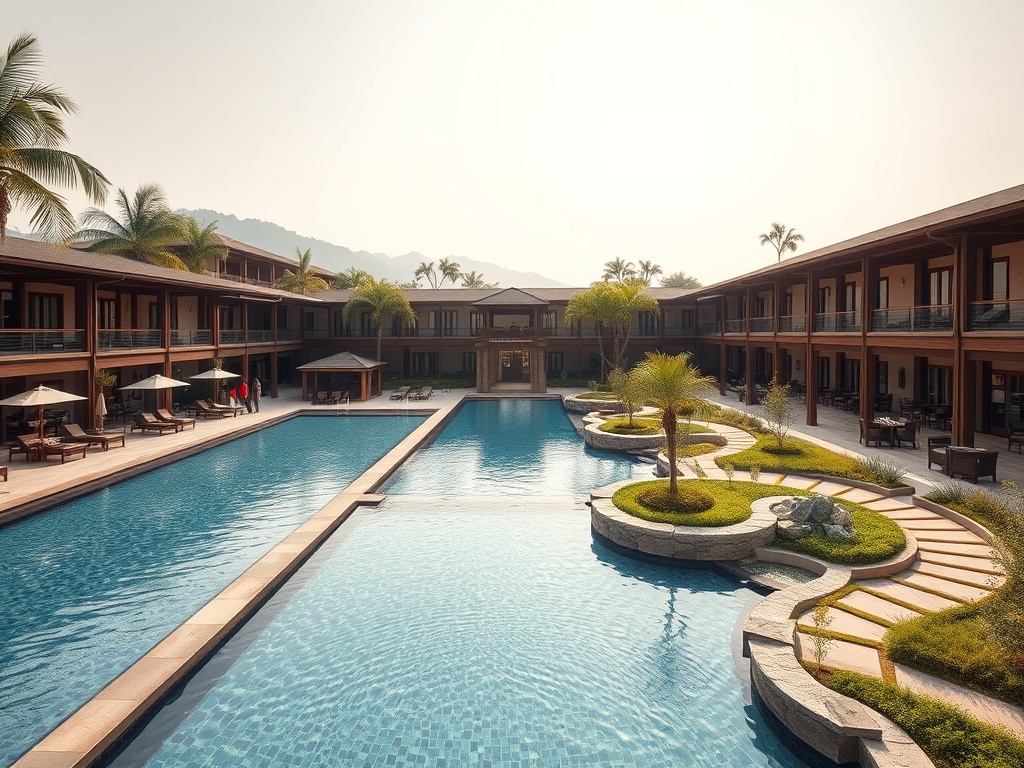
Large properties increasingly combine rooms, dining, wellness, entertainment, retail, pools, events, and outdoor areas. The future of integrated resort experiences will make sensory transitions more important. A guest moving from a lively pool deck to a spa, then to a restaurant and finally to a sleeping area should not feel as if every part of the property is competing for attention.
That creates a design task similar to wayfinding. Lighting, sound, scent, temperature, material changes, ceiling height, planting, and views can signal that a guest is entering a different mode without relying on signs. In a well-planned property, these cues can make a complex resort feel easier to understand.
The Most Useful Technology Will Disappear Into the Background
Sensory technology is likely to mature when guests stop noticing the technology itself. Occupancy sensors can reduce unnecessary energy use, but they should not turn lights off while someone is reading. Automated blinds can manage heat gain, but manual control should remain obvious. Smart thermostats can help efficiency, but guests need clear feedback about what temperature is actually being requested.
The durable design principle is graceful failure. If a connected control stops working, the room should still be usable. If a guest does not want personalization, the default environment should still be comfortable. If preferences conflict within a shared room, controls should make compromise possible rather than locking the space to one profile.
Designing for Comfort Without Overengineering
Hotel owners, designers, and operators should judge sensory concepts by more than visual renderings. Mock up guestrooms, test acoustic conditions, observe how guests use controls, review glare and nighttime lighting, measure temperature stability, and gather feedback from people with different mobility, sensory, and accessibility needs.
For travelers, the practical lesson is that future hotels may offer more environmental control, but marketing language should still be checked against concrete features. Ask about blackout capability, quiet-room options, fragrance policies, connecting locations, accessible controls, and temperature control when those details are essential. The future of sensory hospitality design will be most successful when it gives guests more agency, not when it tries to decide what everyone should feel.