
Branded residences and hybrid resort models are likely to keep expanding, but the strongest projects will be defined less by the logo on the building and more by how ownership, hospitality services, rental programs, amenities, and long-term operating responsibilities fit together. Growth can create opportunity, yet it also increases the need for disciplined development and clear buyer expectations.
TL;DR: The future of branded residences is likely to involve more destinations, more brand types, and more mixed-use combinations. Developers and buyers should focus on governance, operating economics, service delivery, rental arrangements, maintenance obligations, and brand durability rather than assuming that a well-known name guarantees investment performance or a particular lifestyle outcome.
The Category Is Moving From Niche to Broader Development Strategy
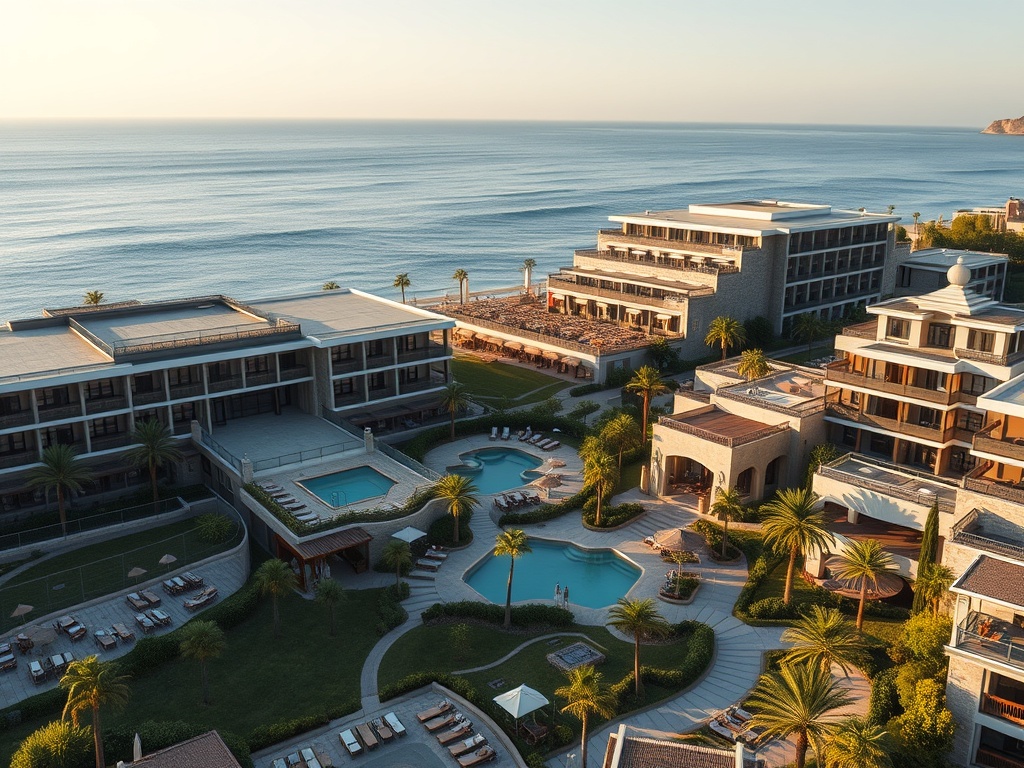
Branded residences once appeared most visibly as a luxury hotel extension in major gateway cities and high-end resort destinations. The model now includes a wider range of configurations: residences connected to operating hotels, standalone branded residential projects, resort communities, serviced apartments, clubs, and developments that combine several uses on one site.
Savills’ Branded Residences Annual Report 2025-2026 documents continued global expansion and a broader mix of hotel and non-hotel brands. That evidence supports the view that the category is diversifying, but it does not mean every market can absorb the same product or that historical premiums will persist. Local demand, legal structures, financing, operating costs, and buyer expectations still determine whether a specific project works.
Hybrid Resorts Will Need Clearer Product Architecture
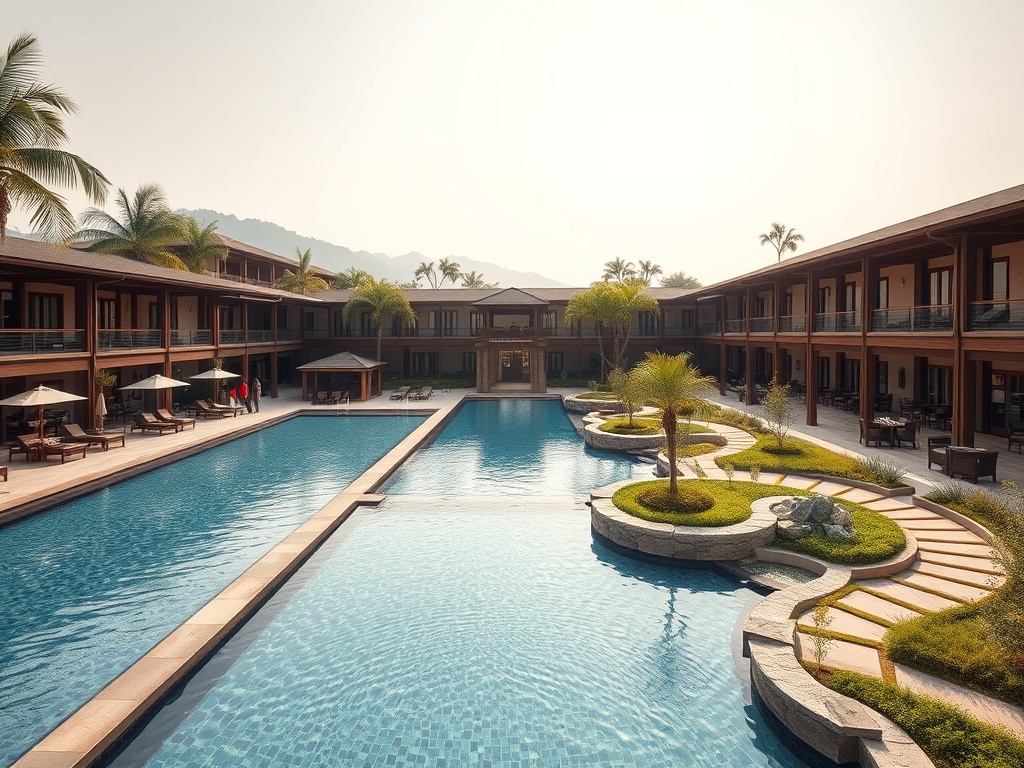
A hybrid resort may contain hotel rooms, privately owned residences, rental-pool units, restaurants, wellness facilities, clubs, event spaces, and recreational amenities. Each component can support the others, but shared infrastructure also creates complexity. Owners and transient guests may use the same pools or restaurants while having different access rights, fee structures, and service expectations.
The future of hotel and resort development over the next decade will likely include more of these mixed-use combinations because developers can diversify revenue and phase large projects. Still, the physical plan should follow the operating model. Separate arrival patterns, back-of-house circulation, housekeeping responsibilities, security, parking, storage, and amenity access need to be resolved before marketing promises are made.
Service Promises Will Need to Survive Ownership Transitions
A branded residence is often sold partly on the expectation of hotel-like service, design standards, or access to amenities. Those expectations can extend for years, which makes long-term governance more important than the opening experience. Management agreements can change, brands can reposition, reserve funds can be insufficient, and owner associations can face difficult decisions about renovation or service levels.
Prospective buyers should therefore distinguish between contractual rights and marketing language. Ask which services are guaranteed, which are optional, which require separate fees, how standards are enforced, and what happens if the hotel operator or brand changes. This is not a prediction that brands will leave projects; it is a practical way to evaluate a long-duration ownership structure.
Revenue Management Will Become More Interdependent
Hybrid properties can create complicated inventory relationships. A residence may be privately occupied, placed in a rental program, removed from availability, or subject to minimum operating standards. Hotel rooms may compete with or complement residential rental inventory. Packages may include amenities shared across both sides of the project.
That is why the future of automated revenue management matters for hybrid resorts. Pricing systems may eventually need to account for multiple inventory pools, owner restrictions, length-of-stay rules, housekeeping capacity, and shared amenity demand. Automation can help coordinate complexity, but the underlying agreements must be explicit enough for a system to interpret correctly.
Brand Value Will Depend More on Operating Proof
A recognized hospitality brand can contribute design standards, reservation reach, loyalty demand, operating expertise, and service expectations. Yet the strength of those benefits varies by brand, market, and project. Buyers should avoid treating a brand premium as a universal or permanent figure.
A more durable evaluation asks how the brand affects day-to-day operations. Does it provide a functioning reservation system? Are service standards documented? Is there an established maintenance and replacement program? How are guest complaints handled when a private residence enters the rental pool? How frequently are units inspected for compliance? These details are less glamorous than launch materials but more relevant to long-term performance.

Sensory Consistency Will Become Harder in Mixed-Use Properties
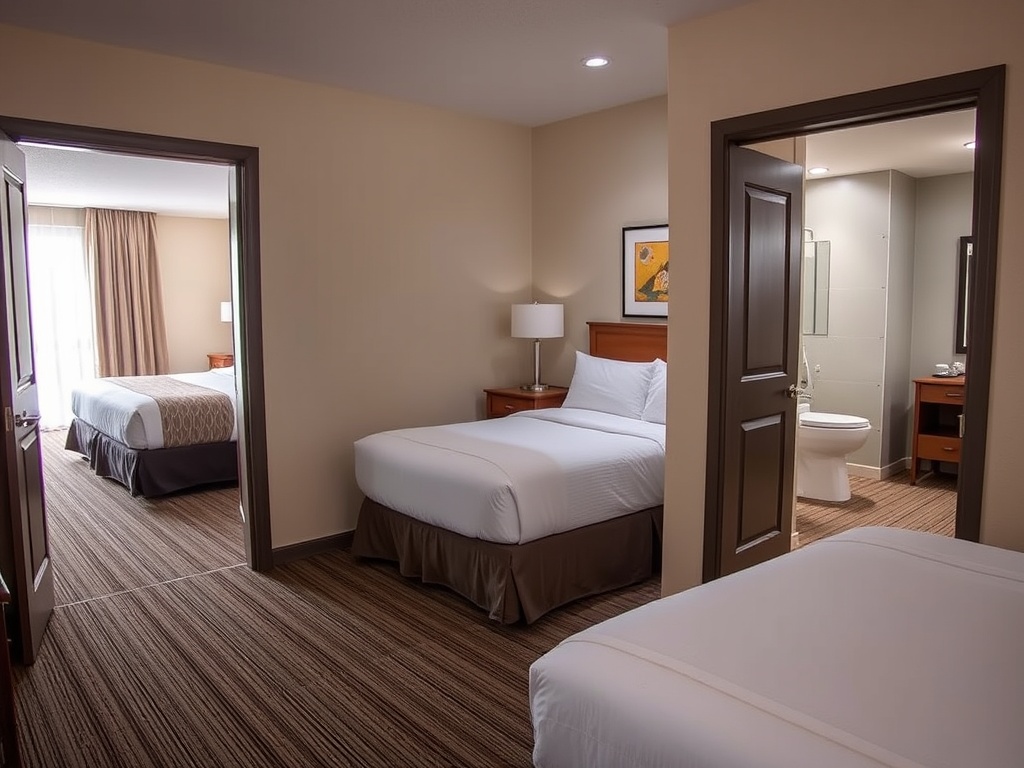
Branded developments often aim for a recognizable atmosphere across hotel, residential, and amenity spaces. That becomes harder when some units are privately furnished, when residents want greater control, and when transient guests expect consistent standards. The future of sensory hospitality design provides a useful framework: focus on acoustic quality, lighting, thermal comfort, material durability, and controllable environments rather than only decorative uniformity.
Hybrid projects may benefit from defining a small set of non-negotiable environmental standards while allowing more personal expression inside private units. That can protect the guest experience without making ownership feel identical to a hotel room.
Sustainability and Resilience Will Become Financial Questions
Large resort and residential developments have long operating lives. Water availability, energy cost, insurance, heat, storms, coastal exposure, waste systems, transportation, and local infrastructure can affect both annual fees and asset resilience. The World Travel & Tourism Council’s Hotel Sustainability Basics is designed for hotel operations, but its focus on measuring and reducing resource use reflects a broader principle relevant to mixed-use projects: sustainability claims should be tied to measurable practices.
For hybrid resorts, the challenge is deciding who pays for upgrades and who receives the savings. A new central cooling system, water-reuse project, solar installation, or waste program may benefit hotel operations and residents differently. Governance documents and capital plans should make these responsibilities clear.
Exit Flexibility Will Receive More Attention
As the category matures, buyers and developers may pay greater attention to what happens at the end of a brand agreement or when a residence leaves a rental program. Rebranding costs, furniture standards, reservation access, owner voting rights, and the treatment of shared amenities can affect long-term flexibility. These issues vary by jurisdiction and contract, so legal and financial advice is essential for a specific transaction. The broader point is that a hybrid project should be designed for change as well as for launch.
Evaluate the Model, Not Just the Brand
Travelers staying in a hybrid resort should check which amenities and services apply to their booking, especially when private residences and hotel rooms share the same property. Access, housekeeping frequency, check-in procedures, restaurant credits, transport, and resort fees can differ by inventory type.
Buyers and developers need a deeper review. Study the ownership structure, operating agreements, fees, reserve requirements, rental rules, service obligations, brand rights, and exit provisions. The future of branded residences may be attractive precisely because the model can combine real estate and hospitality, but that combination only works when the responsibilities are as carefully designed as the guest-facing experience.