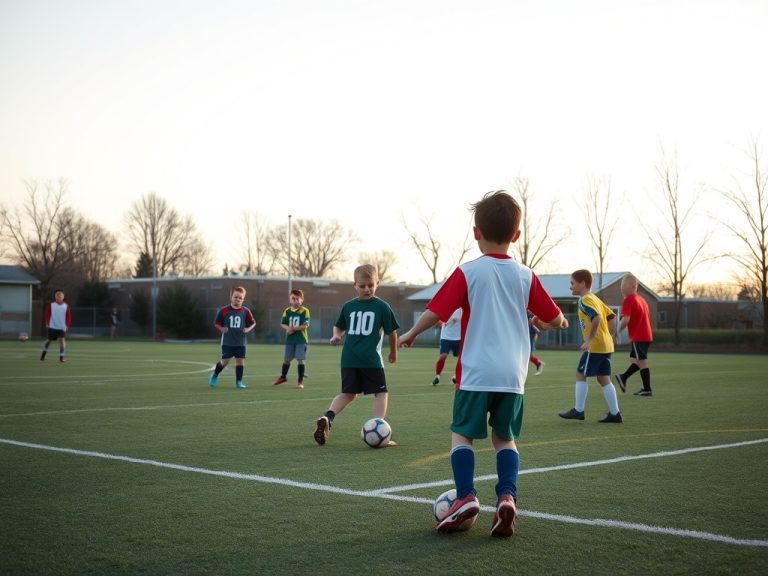

Better focus between points, plays, and rounds comes from a repeatable reset routine. The goal is to release the last action, identify the next useful cue, and re-enter play with attention on controllable choices.
TL;DR: Focus is a skill trained through routines, not a mood you wait for. A reset should be short enough to use during real competition. The best cues are specific, physical, and controllable. Athletes should seek support when anxiety, panic, or emotional distress becomes overwhelming.
The Gap Between Actions Is A Performance Space
Many athletes train serves, swings, shots, routes, and lifts but ignore the seconds between them. Those seconds can decide whether the next action is calm or rushed. A tennis player has time before the next serve. A golfer has a walk between shots. A basketball player has a dead ball. A gamer has a respawn or round reset.
Focus between actions is not about emptying the mind. It is about choosing what gets attention. The previous mistake, the crowd, the opponent, and the score may all compete for space. A routine gives the athlete a practiced way to return to the next task.
The Three-Part Reset
A useful reset has three parts: release, review, and recommit. Release means using a breath, word, gesture, or movement to mark the previous action as over. Review means identifying one useful lesson without replaying the entire mistake. Recommit means choosing the next cue, such as target, tempo, footwork, or first read.
NCAA mental health best practices are written for college environments, but they reinforce a broader point: mental well-being and performance support should be taken seriously. A reset routine is not a replacement for professional help when distress is persistent or severe.
Focus Cues By Sport Situation
| Situation | Weak cue | Better cue |
|---|---|---|
| After a missed serve | Do not miss again | High toss, smooth finish |
| After a turnover | Focus | Find first safe pass |
| Before a golf shot | Relax | Pick target, one tempo |
| After losing a round | Try harder | Breathe, check plan, first action |
| During a timeout | Be ready | Know matchup and first read |
Why Vague Motivation Fails
Phrases such as stay focused or be tough are too broad during pressure. They may sound positive but give the brain no action. Better cues are observable: see the ball early, finish the stroke, find the outlet, land balanced, breathe before the snap, or check the minimap before moving.
The cue must match the athlete’s actual error. If a player rushes, the cue may be pause and scan. If a player becomes passive, the cue may be attack the first open lane. If a player overthinks, the cue may be one target.
Training The Routine Before It Is Needed
Practice resets in low-stress drills first. After every five reps, require a breath and cue. In scrimmages, add score pressure and short breaks. In video review, pause after mistakes and ask what the athlete would use as the next cue. This makes the routine practical rather than inspirational.
Volume still matters. A tired athlete may struggle to use a routine well, so Beginner’s Guide to Training Volume: How Much Practice Is Too Much? can support better planning. If poor focus follows illness or fatigue, How to Return to Training After Illness Without Overdoing It may be the more relevant starting point.
Connecting Focus To Team Rhythm
Individual resets also affect team tempo. A rushed player can speed up everyone. A calm communicator can stabilize a group. Advanced Guide to Tempo Control in Team Sports explains how rhythm changes across a team; focus routines are one of the small habits that make those changes possible.
The best routine is short, visible, and personal. It should not require perfect silence or ideal conditions. Competition rarely offers those. The routine should travel with the athlete into noisy, tired, imperfect moments.
Turning A Reset Into A Habit
A reset routine becomes reliable only when it is practiced before pressure arrives. Add it to warm-ups, partner drills, scrimmages, and solo sessions. The athlete should know exactly how long it takes and what it feels like. If the routine is too complex, it will disappear in competition.
Use the same order each time: physical release, one useful review, one next-action cue. The physical release might be a breath, glove adjustment, walk to the baseline, or relaxed shoulder drop. The review should be short. The cue should be something the athlete can do immediately.
Coaches can reinforce the habit with neutral language. Instead of saying calm down, ask, what is your next cue? This moves the athlete from emotion management to action selection. It also avoids turning normal nerves into a problem.
Over time, the routine should become visible to teammates. When players see one another reset well, the group’s emotional rhythm improves.
Practical FAQ
How long should a reset routine take?
Most resets should take only a few seconds. If the routine is too long, it may not fit real competition. The athlete should be able to use it between points, plays, or rounds without delaying the game.
What if a mistake still bothers me?
A reset does not erase emotion. It gives emotion a container. Acknowledge the mistake, choose one lesson, and put attention on the next controllable action.
Can teams use shared reset language?
Yes. Teams can use simple words such as next ball, first pass, reset shape, or breathe and scan. Shared language helps players stabilize one another.
Field Note
A final field note: focus routines are most useful when they are boring, repeatable, and private enough to survive pressure. The goal is not to look mentally tough for spectators. The goal is to put attention where it helps the next action, even when the previous action still stings.
Context Check
Context check: not every athlete resets in the same style. Some need movement, some need quiet, some need a word, and some need a visual target. The routine should respect personality while still being specific enough to use under pressure. Personal does not mean random; it means repeatable.
Extra Application Note
Athletes should also protect attention before competition begins. Poor sleep, rushed travel, social media arguments, and chaotic warm-ups can make resets harder. Focus between plays is easier when the hours before play are not filled with avoidable distractions.
Your Three-Word Reset
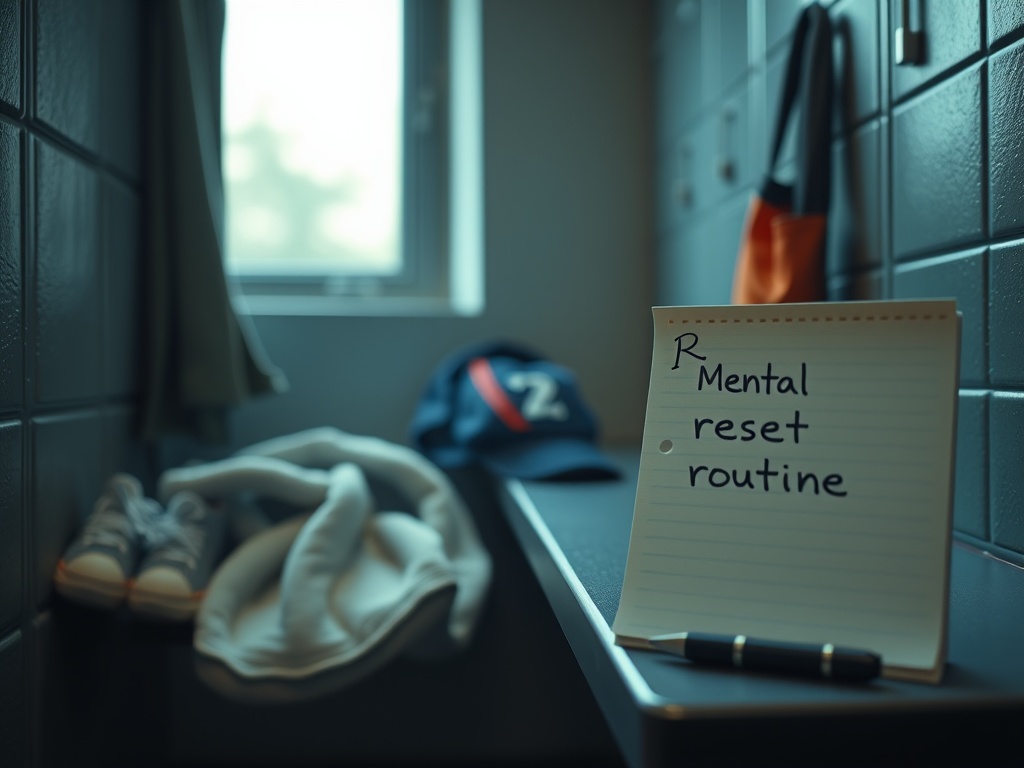
Write a three-word reset for your sport: one release word, one review question, and one next-action cue. Practice it during easy reps before using it in competition.