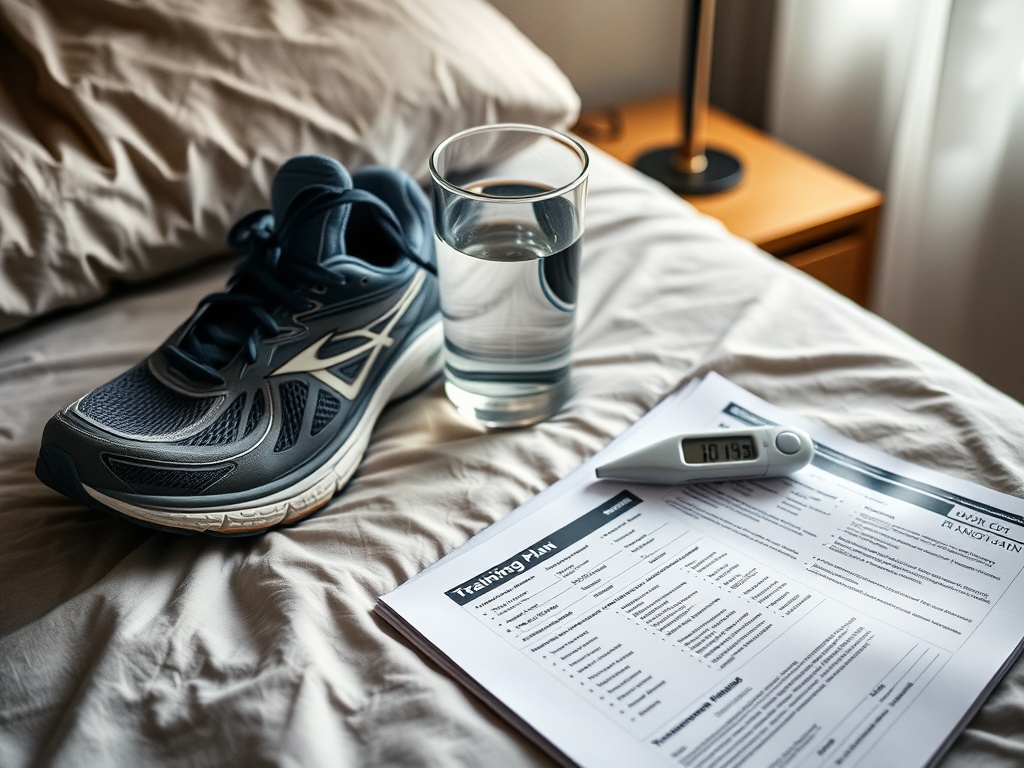
The safest return after illness is gradual: wait until symptoms are clearly improving, restart with easy movement, and build intensity only if the body responds well. Athletes should avoid jumping straight back into full training because illness can reduce energy, coordination, hydration, and recovery capacity.
TL;DR: Do not resume hard training while feverish, dizzy, short of breath, or unusually weak. Start with easy movement and short sessions before intensity. Use symptoms, sleep, appetite, and next-day fatigue as feedback. Seek medical advice for chest pain, fainting, breathing trouble, or symptoms that keep returning.
Why The Comeback Needs Patience
Illness interrupts more than fitness. It can affect hydration, sleep, appetite, breathing, coordination, motivation, and tissue recovery. Even after the worst symptoms pass, the body may still be catching up. A hard session too early can turn a short setback into a longer one.
This is especially true for athletes who define themselves by consistency. Missing practice can feel frustrating, but a controlled return is usually faster than repeated false starts. The goal is not to prove toughness. The goal is to reintroduce training without causing a relapse or new injury.
A Simple Three-Step Return Framework
Step one is daily movement only. Walk, stretch lightly, or do easy mobility if symptoms are improving and there is no fever or concerning sign. Step two is short, low-intensity sport movement: easy ball touches, light cycling, relaxed swimming, or simple technical reps. Step three is normal practice with reduced volume before full intensity returns.
Public-health guidance such as CDC guidance on preventing spread of respiratory viruses is useful because returning too soon can affect teammates as well as the athlete. Do not treat group training as a private decision if contagious symptoms are still present.
Return-To-Training Progression
| Stage | What to do | Move forward when |
|---|---|---|
| Daily movement | Walk, mobility, light chores | Symptoms keep improving |
| Easy sport skill | Short, relaxed technical work | No next-day fatigue spike |
| Moderate practice | Reduced volume, no max efforts | Sleep and appetite feel normal |
| Full training | Normal intensity and competition load | Several sessions feel stable |
Red Flags That Mean Stop
Stop training and seek appropriate medical advice if illness is followed by chest pain, fainting, unusual shortness of breath, severe dizziness, confusion, dehydration, or symptoms that get worse with effort. Athletes with chronic conditions, recent serious infections, or long-lasting symptoms should be more cautious.
Pain that changes movement is also a warning sign. After illness, tired athletes may compensate with sloppy mechanics. A runner may overstride, a tennis player may arm the ball, or a basketball player may land poorly. Technical fatigue can create injury risk even when the original illness is improving.
How To Modify The First Week Back
Reduce one or more of these variables: session length, intensity, total reps, sprint volume, contact, or competition pressure. A useful first session may be only 20 to 30 minutes of easy skill work. The second session can add more duration if the next morning feels normal. Save hard intervals, contact, and match play for later.
Beginner’s Guide to Training Volume: How Much Practice Is Too Much? can help set workload limits. The main idea is to earn progress through steady responses, not through one heroic comeback practice.

The Mental Side Of Coming Back
Illness can make athletes impatient, especially during selection periods or late-season events. Use small targets: complete warm-up, move well, finish easy reps, recover normally overnight. Those targets rebuild confidence without pretending the body is fully ready.
Players who struggle to stay calm between efforts can borrow reset ideas from How to Build Better Focus Between Points, Plays, and Rounds. Late bloomers and developing athletes should also remember that one missed week rarely defines a sports pathway, as explained in Sports Pathways for Late Bloomers Who Improve After Their Peers.
A Comeback Log That Prevents Guesswork
Use a comeback log for the first seven to ten days after illness. Record symptoms, sleep, appetite, session length, intensity, and next-day fatigue. This helps athletes avoid judging readiness by motivation alone. Motivation often returns before the body is ready for full speed.
Keep the first entries boring on purpose. Easy walks, mobility, and light skill work should feel almost too simple. That is the point. The comeback should prove that the body can tolerate movement before it proves that the athlete can suffer.
If symptoms return after a session, repeat the previous stage or rest. Do not bargain with the plan by adding a hard session because a tournament is near. The body’s response is the information that matters. Coaches and parents should support that decision instead of framing caution as weakness.
Once several easy sessions feel normal, add intensity in small pieces. A few short accelerations or controlled rallies are better than a full competitive load on the first confident day.
Practical FAQ
Can I train if symptoms are only mild?
Light movement may be reasonable when symptoms are improving and there are no concerning signs, but hard training should wait. The safest choice depends on the illness, the athlete, and medical guidance when symptoms are unusual.
Why do I feel weak after the illness is gone?
Sleep disruption, low appetite, dehydration, reduced activity, and immune stress can leave the body underprepared. Weakness after illness is a signal to rebuild gradually.
Should I make up missed workouts?
No. Missed workouts should not be stacked into one comeback week. Resume from a reduced load and progress based on how the body responds.
Field Note
A final field note: the first full week back is not the time to prove fitness. It is the time to listen carefully. Athletes often remember how they felt at their peak and forget the energy cost of being sick. Respect the current body, then rebuild toward the previous level with patience.
Context Check
Context check: team pressure can make illness decisions harder. Athletes may worry about losing a role, disappointing a coach, or missing an event. Adults should make it normal to report symptoms honestly. A safer return protects both the individual athlete and the group training environment.
Extra Application Note
One more practical safeguard is to separate medical readiness from competitive desire. A player may be eager because selection is close, but eagerness is not the same as normal breathing, energy, coordination, or recovery. Let the first few sessions answer those questions before competition returns.
A Safer First Session Back
Make the first session back easy enough that you are confident you could repeat it tomorrow. That is usually a better sign than finishing exhausted today.