
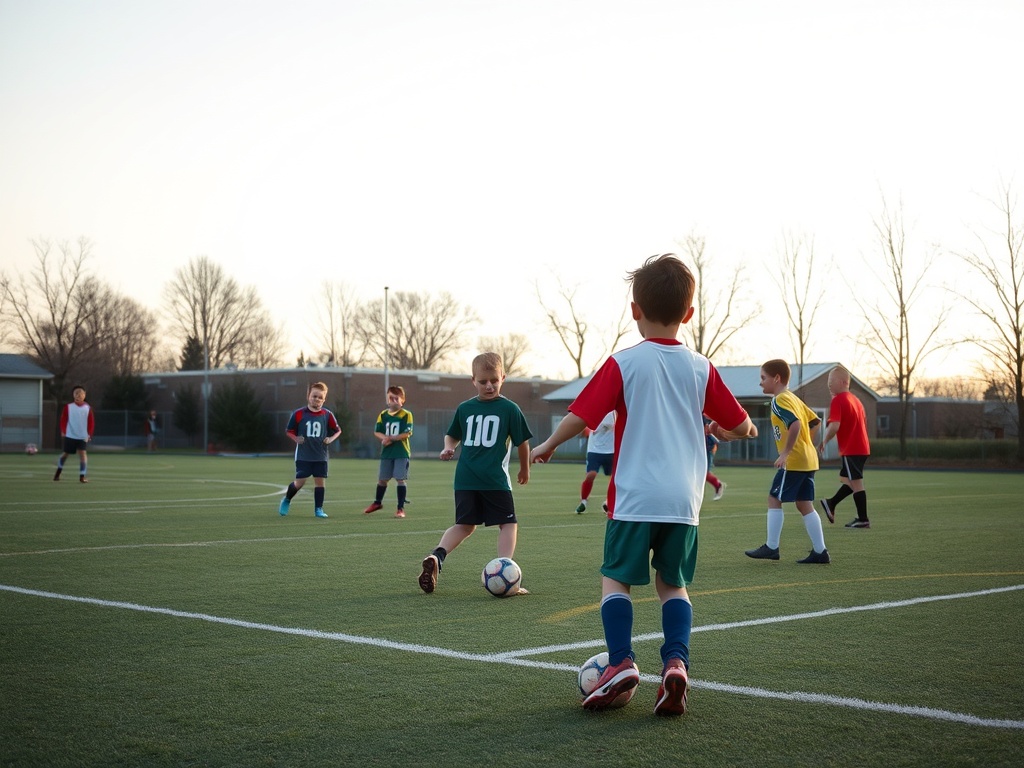
Late bloomers in sports are athletes whose physical growth, skill confidence, or tactical understanding develops later than many peers. A slower start does not close every pathway; it simply changes which environments, timelines, and development choices matter most.
TL;DR: Late development can involve physical growth, coordination, confidence, opportunity, or sport fit. Sampling multiple sports may help some athletes build broader movement skills. Parents and coaches should judge progress over months, not one tryout. Healthy pathways protect confidence while still asking for effort and accountability.
What Late Blooming Can Mean
Late blooming is not one thing. Some athletes mature physically later, so speed, strength, or height arrive after peers have already been selected for advanced teams. Others grow quickly but need more time for coordination. Some understand tactics late because they were not exposed to quality coaching early. Others simply find the right sport later.
The label should be used carefully. It should not become an excuse for avoiding effort, but it should remind adults that development is uneven. A 12-year-old who looks behind today may become a strong high-school athlete if the pathway keeps motivation and learning alive.
Why Early Selection Can Miss Future Ability
Tryouts often reward current size, speed, confidence, and polish. Those qualities matter, but they are not the same as long-term potential. A child who matured early may dominate through strength, while a later developer may be learning anticipation, spacing, and decision-making to survive against stronger peers.
Johns Hopkins Medicine youth sport specialization guidance explains sport sampling and specialization in youth sports. That matters because late bloomers may benefit from broader movement experiences, especially when one sport environment has started to define them too narrowly.
Pathway Options For Different Late Bloomers
| Late bloomer type | Helpful pathway | What adults should avoid |
|---|---|---|
| Physical maturity delay | Strength basics, patience, multi-year view | Judging only by current size |
| Coordination lag | Skill repetition, varied movement, low-pressure reps | Constant comparison with early developers |
| Late sport entry | Beginner-friendly coaching and role clarity | Expecting instant tactical understanding |
| Confidence delay | Smaller wins, clear feedback, safe competition level | Using pressure as the only motivator |
What Parents Should Watch Instead Of Rankings
Parents should track effort quality, coachability, movement improvement, confidence, health, and enjoyment. Rankings and team labels can change quickly. The better question is whether the athlete is learning skills that will transfer to the next level. Can they practice independently? Do they recover from mistakes? Do they ask better questions than before?
Families should also watch emotional cost. Constant comparison can make a developing athlete feel permanently behind. Support does not mean pretending every child will become elite. It means creating conditions where the athlete can discover their actual ceiling without being pushed out too early.
How Coaches Can Keep Doors Open
Coaches can help by offering role clarity, honest feedback, and development targets. A late-blooming player might not start every game, but they can still learn a position, improve weak-foot skill, gain strength safely, or become a reliable practice competitor. Clear goals make the pathway feel real.
Advanced Guide to Tempo Control in Team Sports connects here because some late bloomers become tactically sharp. They may learn to read rhythm, spacing, and risk before they can overpower opponents. Stamina, Speed, Strength, Skill, or Strategy: What Different Sports Reward Most can help identify which qualities a chosen sport rewards over time.

When To Change Teams, Levels, Or Sports
A change may help when the athlete receives no meaningful feedback, plays in constant fear, or has no realistic route to participation. Moving down a level can be positive if it brings more touches, more reps, and more confidence. Trying another sport can also be a smart developmental choice, not a failure.
Health matters too. If illness or injury interrupts progress, How to Return to Training After Illness Without Overdoing It can support a safer restart. The pathway should develop the athlete, not simply protect a team label.
A Season Plan For Patient Progress
A late bloomer benefits from a season plan that includes process goals, not only selection goals. Process goals might include improving first touch, adding safe strength training, learning a new position, increasing practice attendance, or gaining confidence in small-sided games. These goals can be measured even when playing time varies.
Parents should ask coaches for two strengths and two development priorities. That conversation is more useful than asking only why an athlete is not on a higher team. Clear priorities give the player a path and reduce the mystery around selection.
Athletes can also choose environments that provide more repetitions. A lower-pressure league, a school team, a camp, or a second sport may offer touches and decisions that a crowded elite roster does not. Development sometimes accelerates when the athlete gets to play instead of waiting to be chosen.
The season should end with a review of growth, health, confidence, and next steps. That keeps the athlete from seeing one roster decision as the whole story.
Practical FAQ
Can a late bloomer still reach a high level?
Sometimes, yes. It depends on the sport, age, access to coaching, motivation, health, and rate of improvement. The key is keeping a realistic path open while building real skills.
Should late bloomers specialize to catch up?
Not automatically. Some athletes need more sport-specific practice, while others need broader movement skills, confidence, or a better environment. Specialization should be a careful choice, not a panic response.
How can parents help without adding pressure?
Ask about learning, effort, friendships, health, and confidence before asking about selection. That keeps the athlete focused on development, not only status.
Field Note
A final field note: late blooming is easiest to support when adults separate identity from timeline. The athlete is not behind as a person because one skill arrived late. A thoughtful pathway gives honest feedback, keeps standards clear, and leaves enough room for confidence to grow alongside ability.
Context Check
Context check: development pathways should be reviewed, not defended forever. If an environment stops giving feedback, safety, or opportunity, a change may be needed. If the athlete is progressing slowly but steadily, patience may be the better choice. The difference is easier to see when goals are written down.
Extra Application Note
A useful family habit is to celebrate evidence of learning. Better footwork, stronger communication, smarter positioning, or improved resilience after mistakes all matter. When progress is visible in those smaller ways, the athlete is less likely to feel defined by one roster or ranking.
A Better Development Marker
For the next season, choose two development markers beyond wins or selection status. Track those markers every month and adjust the pathway around real progress.