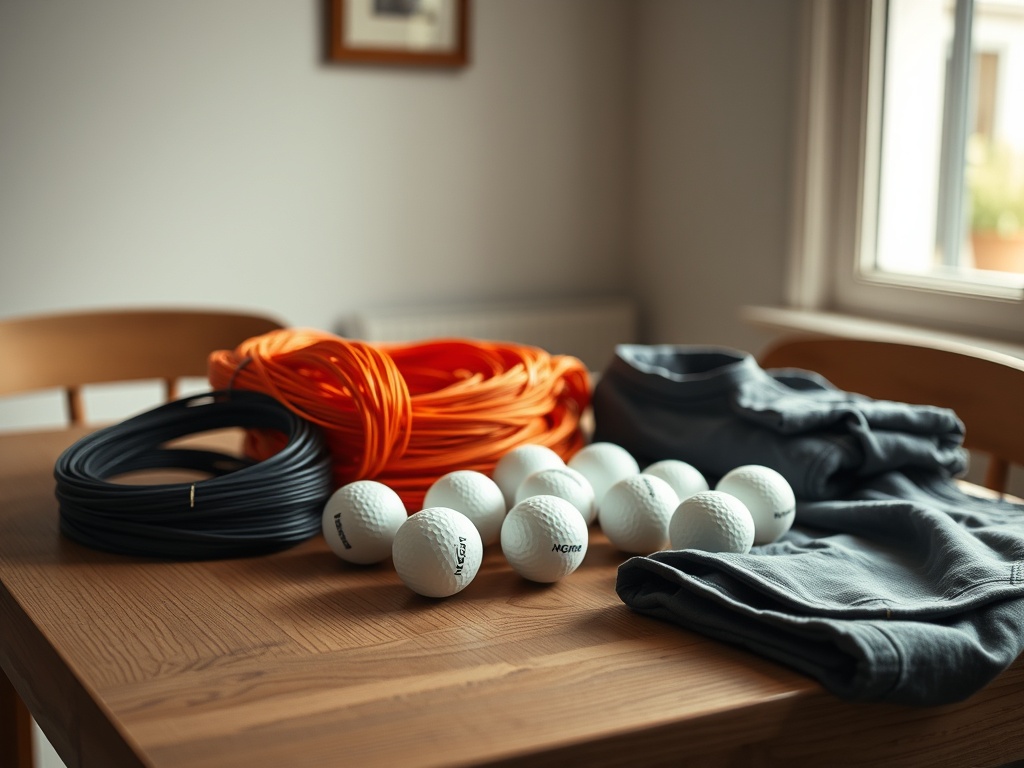
Expensive tennis strings, golf balls, and cycling kits are worth it only when the upgrade solves a specific performance, comfort, durability, or fit problem. For many recreational athletes, lessons, practice quality, fit, and basic maintenance create a bigger return than premium gear.
TL;DR: Premium gear helps most when the athlete can feel and use the difference. Tennis strings affect feel, spin, comfort, control, and durability. Golf balls vary in spin, launch, feel, and consistency. Cycling kits matter most for fit, temperature control, saddle comfort, and long-ride practicality.
The Upgrade Question Most Buyers Skip
The right question is not whether expensive gear is better. It is better for whom, under what conditions, and compared with what current problem. A beginner with inconsistent contact may not benefit from a premium tennis string setup. A golfer losing balls every round may not get full value from tour-level balls. A casual cyclist may care more about comfort than aerodynamic fabric.
Price often reflects materials, research, durability, brand positioning, and niche performance. That does not mean every athlete will notice the difference. The more repeatable your technique and the more specific your demands, the easier it becomes to judge whether an upgrade is useful.
Tennis Strings: Feel, Spin, Comfort, And Maintenance
Tennis strings can change how the ball feels on contact, how much spin a player can generate, how much control the racket offers, and how the arm feels after longer sessions. The USTA tennis equipment rules and guidance explain common string categories and fit factors, which is useful because string choice is highly personal.
Expensive strings are not automatically arm-friendly or beginner-friendly. Polyester strings can reward advanced swing speed and spin production, but some players find them stiff. Multifilament or synthetic gut options may be more comfortable and cost-effective. The best upgrade may be changing tension or restringing more consistently, not buying the most expensive option.
Where Premium Gear Usually Pays Off
| Gear category | Premium value is strongest when | Wait to upgrade when |
|---|---|---|
| Tennis strings | Technique is repeatable and comfort or spin needs are clear | Contact is inconsistent or restringing is rare |
| Golf balls | Short-game control and flight feedback matter | Balls are frequently lost or swing varies widely |
| Cycling kits | Long rides create chafing, heat, or saddle discomfort | Rides are short and basic fit issues remain |
| Accessories | They solve safety, maintenance, or comfort problems | They mainly look appealing online |
Golf Balls: Consistency Beats Prestige
Golf balls differ in compression, cover material, spin profile, flight, short-game feel, and durability. A skilled player with repeatable contact may notice how a ball reacts with wedges or in the wind. A newer player may see less benefit because swing variability overwhelms small equipment differences.
That does not mean beginners should buy the cheapest possible ball. They should choose a reliable ball they can afford to play consistently. Switching models every round makes feedback harder. Once contact, launch, and short-game control improve, testing premium models becomes more meaningful.
Cycling Kits: Comfort Can Be Performance
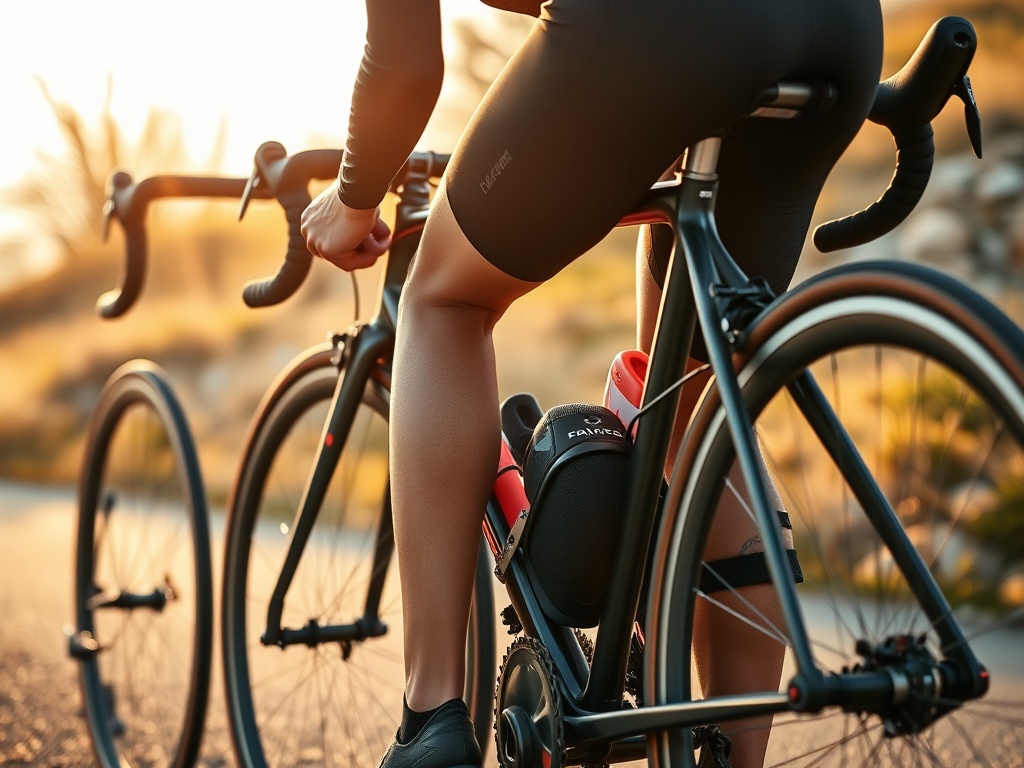
Cycling apparel looks like a style purchase, but fit can affect comfort, temperature, chafing, and confidence on longer rides. Bib shorts with a better chamois, seams that do not rub, and fabric that manages moisture can be worth the cost for riders who spend hours in the saddle.
Aero gains are usually less important for recreational riders than saddle comfort, weather layering, and visibility. Before buying a premium kit, check bike fit, tire pressure, basic maintenance, and weekly training consistency. Stamina, Speed, Strength, Skill, or Strategy: What Different Sports Reward Most can help separate physical limits from equipment limits.
A Practical Buying Order
Upgrade first when current gear causes pain, breaks often, prevents proper technique, or makes practice less consistent. Upgrade later when the goal is small performance refinement. That sequence protects the budget and avoids the common mistake of using gear shopping as a substitute for training.
If practice quality is still inconsistent, Beginner’s Guide to Training Volume: How Much Practice Is Too Much? may be more valuable than another purchase. If the purchase is for an event trip, Sports Fan FAQ: Common Questions About Tickets, Travel, and Venue Etiquette can help keep logistics from eating the budget.
How To Test Value Before Spending More
Before buying the premium version, run a small test. For tennis, compare two string setups over several sessions and note comfort, control, spin, and durability. For golf, play the same ball model long enough to judge patterns. For cycling, test whether the current discomfort comes from kit quality, saddle fit, position, or ride length.
Use a simple value score: comfort, performance feel, durability, maintenance cost, and confidence. Rate each from one to five. If the upgrade only improves confidence because it feels new, wait. If it clearly improves comfort or consistency across several sessions, it may be worth paying for.
Also consider replacement rhythm. A cheaper item replaced regularly may outperform an expensive item used long after it is worn out. Tennis strings lose playability, golf balls scuff, and cycling kit pads compress over time. Maintenance can be a smarter upgrade than luxury.
The best purchase is the one that removes a real barrier to practice. If it does not help you train, compete, recover, or enjoy the sport more consistently, the money may be better saved.
Practical FAQ
Does expensive gear make beginners improve faster?
Usually not by itself. Beginners often gain more from coaching, consistent practice, proper fit, and reliable mid-range equipment than from premium items designed for refined technique.
When should I replace instead of upgrade?
Replace when the item is worn, unsafe, uncomfortable, or no longer performs its basic job. Upgrade when the current item works but a specific higher-level need has appeared.
How can I avoid impulse purchases?
Wait one week, name the exact problem, and compare at least two options. If the problem is vague, the purchase is probably not urgent.
Field Note
A final field note: value changes as goals change. A beginner may need durable, comfortable, affordable gear. A competitive athlete may need more precise feel. A traveler may need reliability and easy replacement. Reassess equipment after your season, not during an emotional shopping moment after one poor performance.
Context Check
Context check: equipment value depends on the cost of mistakes. A recreational golfer who loses several balls per round may need affordability. A cyclist riding long distances may need comfort. A tennis player with arm discomfort may need string changes more than a new racket. Fit the purchase to the consequence.
A Buyer’s Final Test
Before upgrading, write down the exact problem the item must solve. If you cannot name the problem, wait and keep practicing with reliable gear.