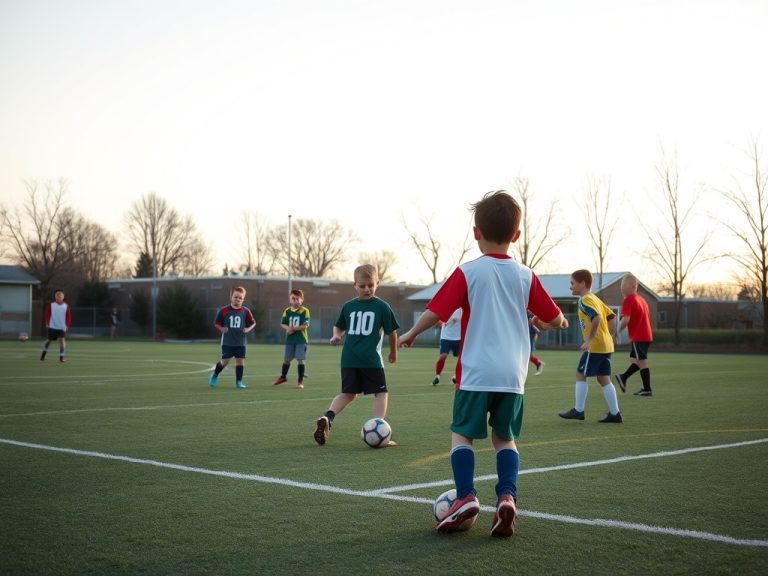
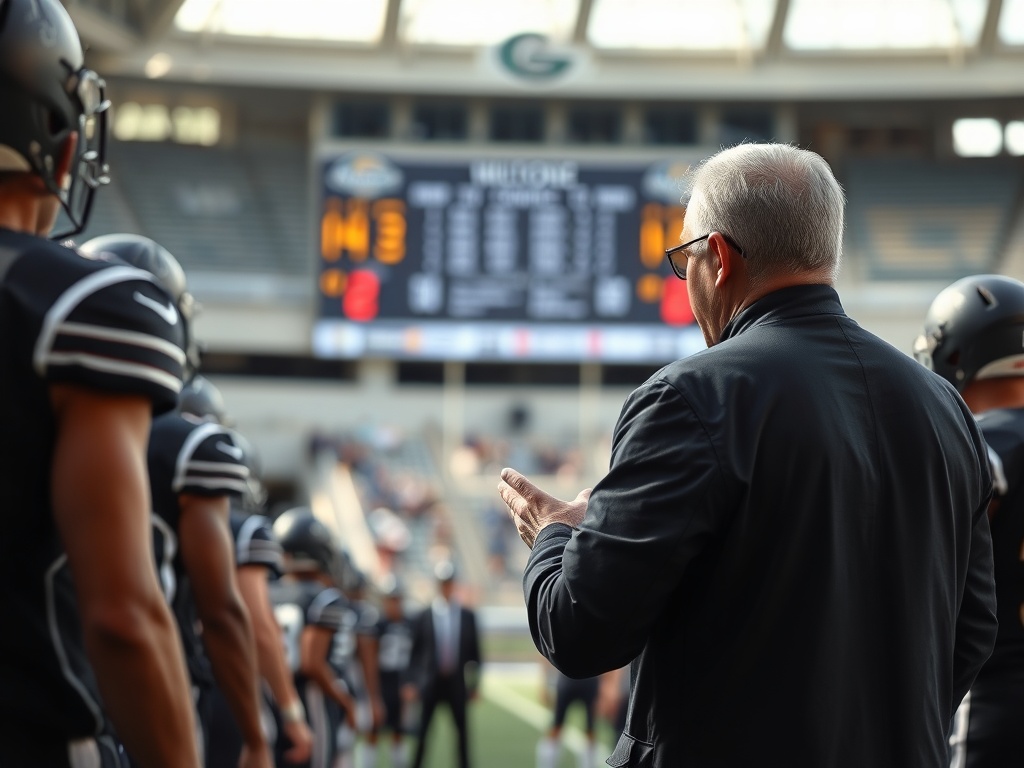
Tempo control is the ability to speed up, slow down, or stabilize a game so your team plays more often in conditions it prefers. At advanced levels, tempo is not just pace; it is the management of rhythm, spacing, risk, substitutions, and emotional pressure.
TL;DR: Tempo is a strategic tool, not a synonym for playing fast. Teams control rhythm through possession, pressing, restarts, spacing, and shot selection. The right tempo depends on score, fatigue, matchup, and game state. Good teams use tempo shifts without losing decision quality.
Tempo Is About Control, Not Speed Alone
In team sports, a fast team can still have poor tempo control if it rushes low-quality decisions. A slower team can control tempo if it forces opponents into uncomfortable possessions, long defensive sequences, or repeated restarts. Tempo is the rhythm a team imposes on the contest while protecting its own strengths.
Tempo control appears in basketball shot selection, soccer possession phases, hockey line changes, volleyball serve pressure, lacrosse substitutions, and football play-calling. The details vary, but the central question is similar: does the current rhythm increase our chance of creating high-quality actions?
The Four Levers Coaches Actually Use
Coaches control tempo through possession length, pressure location, restart management, and player rotation. Long possessions can reduce chaos and protect a lead. High pressing can accelerate mistakes. Quick restarts can catch an opponent before shape returns. Substitutions can either maintain intensity or calm a group that is beginning to force plays.
Technology can help teams review these patterns, but it does not replace judgment. For example, FIFA VAR technology standards show how officiating technology can formalize review processes in football, yet the strategic rhythm of a match still depends on players and coaches making live decisions inside the rules.
Tempo Decisions By Game State
| Game state | Tempo option | Why it may help |
|---|---|---|
| Protecting a lead | Longer possessions and cleaner restarts | Reduces unnecessary transition chances |
| Chasing a result | Higher pressure and quicker restarts | Creates more possessions or attacks |
| Team looks rushed | Stabilize through spacing and simple passes | Restores decision quality |
| Opponent is tired | Increase pace selectively | Tests recovery and communication |
| Foul or stoppage-heavy game | Use pauses to reset assignments | Prevents emotional decisions |
What Advanced Players Notice Before Everyone Else
Advanced players read body language, spacing, breathing, bench energy, referee tendencies, and opponent substitutions. A midfielder may slow the ball after a long defensive stretch. A point guard may push immediately after a slow-footed lineup enters. A volleyball setter may vary tempo because blockers are starting to guess.
These choices should be described as analysis, not fixed truth. A tempo change may suggest tactical maturity, but it can also fail if execution is poor. The most useful coaches teach players to explain why a tempo choice made sense, not just whether the next play succeeded.
Practice Design For Rhythm Changes
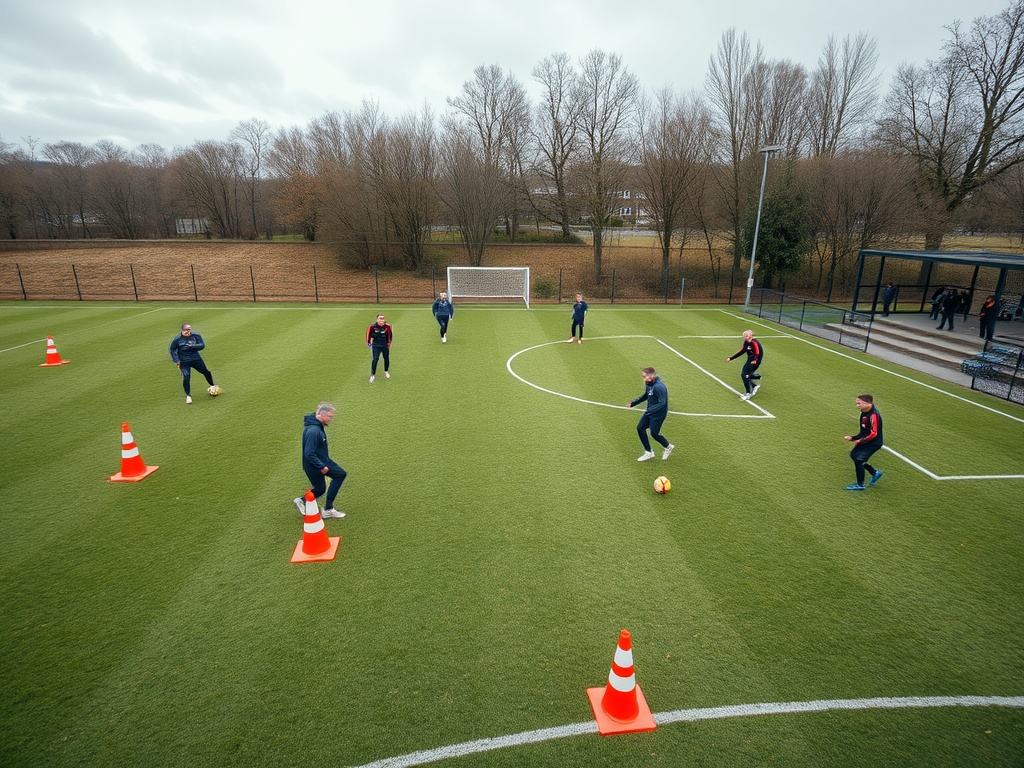
Tempo must be trained with constraints. Run the same drill in three versions: quick attack, controlled possession, and end-game protection. Add score and time rules. Require players to call the reason for a tempo change before the next repetition. This turns rhythm control from a coach lecture into a player habit.
Use video carefully. Clip three examples where the team accelerated well, three where it rushed, and three where it slowed play effectively. The purpose is not to embarrass anyone. It is to build shared language: reset, press, hold, switch, pause, or attack before the defense sets.
Avoiding Fake Control
Not all slow play is control. Sometimes a team looks patient because it has no attacking idea. Not all fast play is reckless. Sometimes immediate pressure is the right response because the opponent is disorganized. Advanced tempo work asks whether the chosen rhythm fits the moment.
Players developing later than their peers may become strong tempo readers because they have learned to survive through timing and anticipation. Sports Pathways for Late Bloomers Who Improve After Their Peers connects well with this idea, while How to Build Better Focus Between Points, Plays, and Rounds supports the mental reset needed for deliberate rhythm changes.
Film Study Questions That Reveal Rhythm
When reviewing a match, do not only ask who made the mistake. Ask what the tempo was asking players to do. Was the team rushing because the opponent pressed high? Was it slowing down because fatigue was rising? Was the group using possession to rest or because it had lost attacking options?
Coaches can pause video before a restart and ask players to name the desired rhythm. The answer might be quick attack, controlled reset, pressure after loss, or safe possession. This builds the habit of reading the game before action begins. Tempo control improves when players can predict the next demand.
Players should also study moments after emotional swings. Goals, turnovers, referee decisions, and big defensive stops often change rhythm. Strong teams use those moments deliberately. Weaker teams often let emotion choose the tempo for them.
A useful review ends with one practice rule. For example: after winning possession, the first pass must be forward if the defense is disorganized, but safe if teammates are still behind the play. That rule turns analysis into training.
Practical FAQ
Is tempo control only a coaching responsibility?
No. Coaches can design the plan, but players control many tempo moments through passing choices, shot selection, restarts, communication, and emotional control after mistakes.
Can a team play fast and still control tempo?
Yes. Fast tempo is controlled when it creates the type of chance the team wants. It is uncontrolled when players rush actions without spacing, support, or a clear advantage.
What is the best drill for tempo?
Use the same small-sided or possession drill with different score and time rules. Ask players to explain when they should speed up, slow down, or stabilize.
Field Note
A final field note: tempo control should never become a way to blame one player for the whole rhythm of a game. Tempo is shared. Ball carriers, off-ball movers, defenders, substitutes, and coaches all influence it. The most mature teams discuss rhythm without turning every fast or slow choice into a personal mistake.
Context Check
Context check: tempo ideas must fit the rules and culture of the sport. Basketball, soccer, volleyball, hockey, and football all have different restart patterns and substitution limits. Coaches should translate the concept into the language players already use instead of forcing a generic tactical model onto every team.
A Review Drill For Coaches
Review one recent game and label five moments as speed-up, slow-down, or stabilize. Then ask whether each choice improved the next decision.