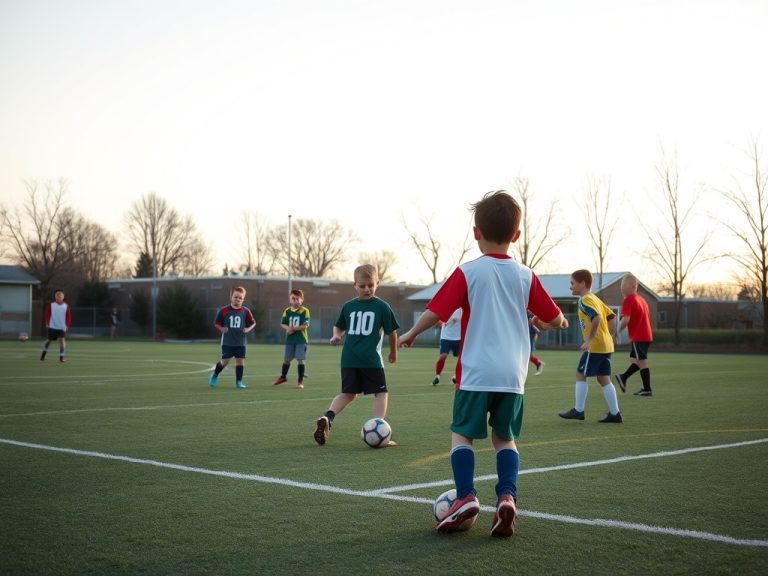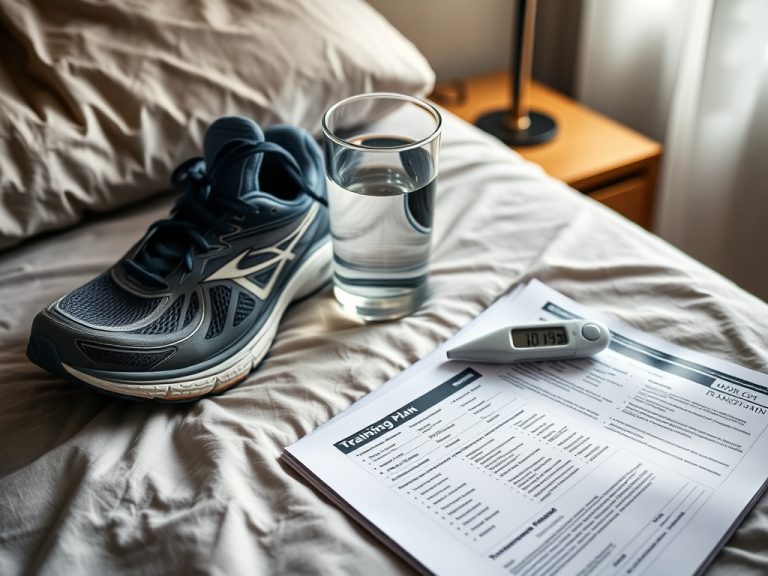
Training volume is the total amount of practice and conditioning you do over time. Too much practice is any workload that your body, schedule, sleep, and skill level cannot recover from well enough to keep improving.
TL;DR: Volume includes sessions, minutes, sets, reps, distance, intensity, and competition load. Beginners should increase workload slowly and watch recovery signs. More practice is useful only when quality and consistency stay high. Pain, mood changes, poor sleep, and repeated sloppy reps are warning signs.
What Training Volume Actually Counts
Training volume is more than the number of practices on a calendar. It includes minutes spent practicing, distance covered, total throws or swings, jumps, sprints, strength sets, matches, and hard conditioning. A one-hour session with light technique has a different effect than a one-hour session filled with maximum sprints and competitive drills.
Beginners often underestimate hidden load. School physical education, pickup games, weekend tournaments, gym sessions, travel, and poor sleep all affect recovery. The body does not separate official training from casual effort. It responds to the total stress placed on it.
The Beginner-Friendly Volume Rule
A good beginner rule is to add only one stress at a time. Do not increase session length, practice frequency, intensity, and competition schedule in the same week. If you add a third weekly practice, keep the first version shorter and easier. If you add conditioning, reduce some high-intensity sport work until the body adapts.
This approach fits general public-health guidance as well. The CDC activity guidance for children and adolescents recommends daily movement for young people, but structured sport training still needs age, sleep, growth, and recovery to be respected. Adults also need gradual increases rather than sudden jumps after months of low activity.
Simple Workload Ranges To Think About
| Training level | Useful volume focus | Watch carefully for |
|---|---|---|
| New beginner | 2-3 short practices plus easy movement | Soreness, frustration, sloppy technique |
| Recreational regular | 3-5 sessions with varied intensity | Poor sleep, nagging pain, mood dips |
| Competitive athlete | Planned hard/easy days and recovery blocks | Performance drop despite more work |
| Returning athlete | Reduced volume before full intensity | Relapse, heavy fatigue, hesitation |
Signs Practice Has Stopped Helping
Too much practice often appears first as lower quality, not dramatic injury. A player starts missing routine touches, serving with weaker mechanics, arriving late to simple reads, or losing focus during easy drills. The athlete may feel bored, irritable, heavy, or unusually anxious before sessions that used to feel enjoyable.
Physical warning signs include pain that changes movement, repeated soreness that does not improve after rest, unusual fatigue, poor sleep, appetite changes, and a drop in enthusiasm. These signals do not prove overtraining, but they suggest the next session should be adjusted before the problem grows.
How To Increase Practice Without Chasing Burnout
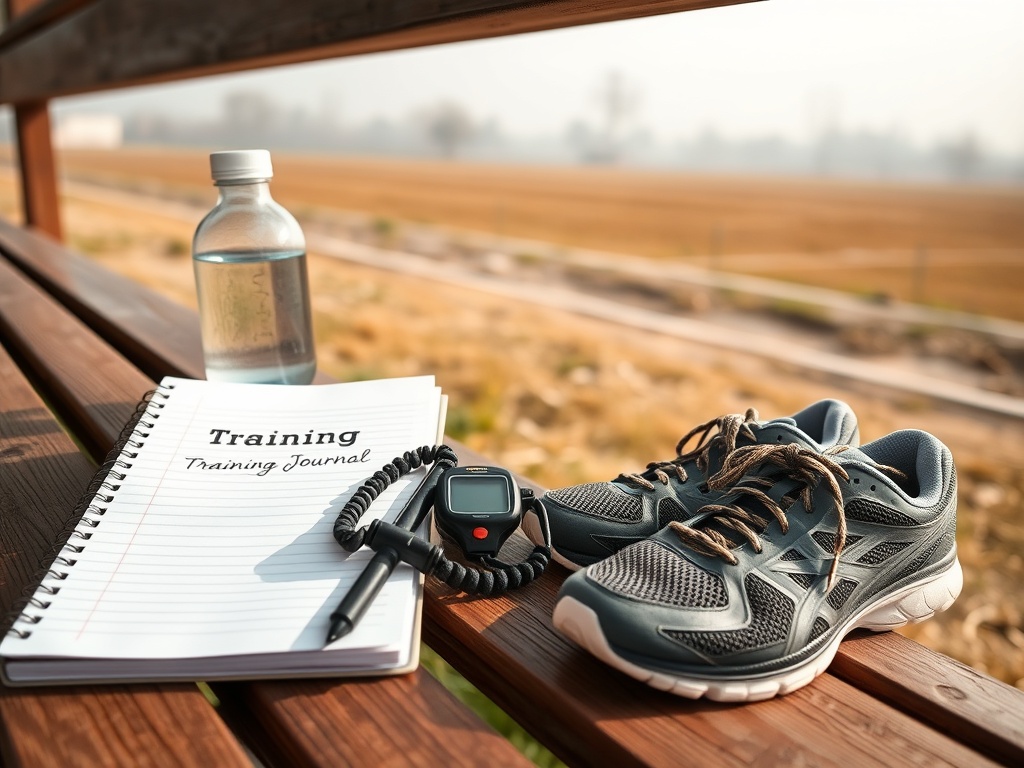
Use a two-week view instead of judging one hard session. A useful pattern is one challenging session, one skill-focused session, and one lighter review session. Record what you practiced, how hard it felt, and how you performed the next day. If quality drops for several sessions, reduce volume before adding more.
Beginners should also separate practice goals. One session can target technique, another conditioning, and another competition habits. When every practice tries to be hard, technical, tactical, and mentally demanding, the athlete gets tired without getting clear feedback. Better planning makes less volume more useful.
Where Recovery Fits Into Improvement
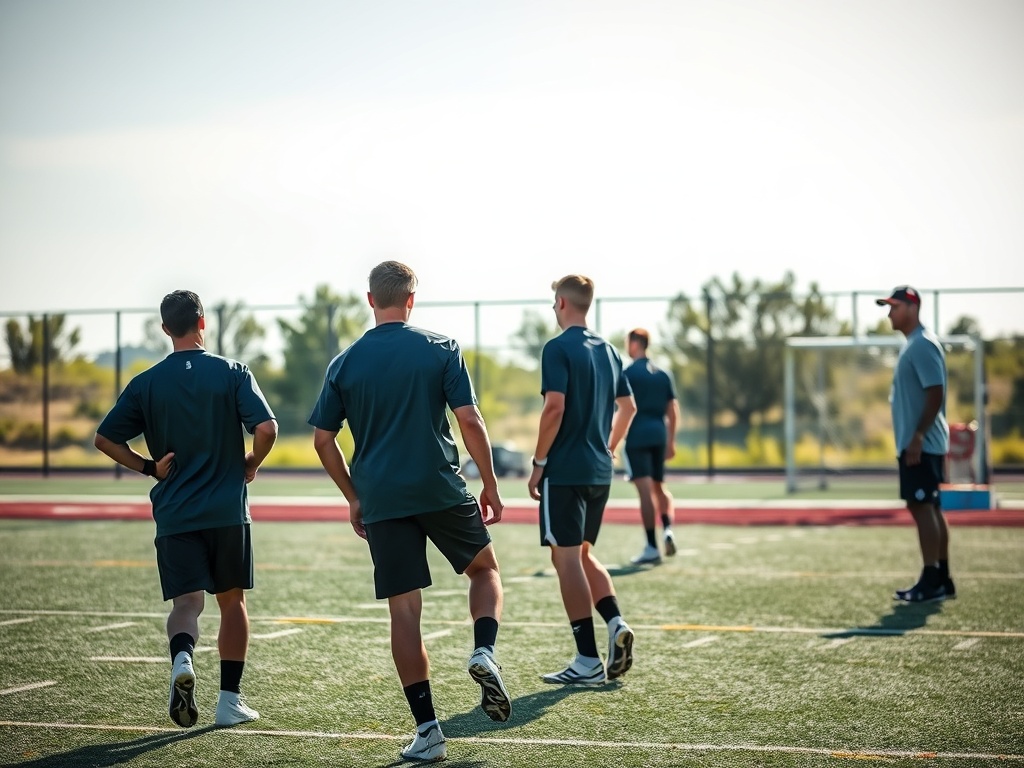
Recovery is part of training, not a break from ambition. Sleep, hydration, food, low-stress movement, and relaxed time away from the sport help the body adapt. A player returning from a cold, flu, or stomach illness should use the more cautious approach explained in How to Return to Training After Illness Without Overdoing It.
Before buying recovery gadgets or premium gear, ask whether the basics are already in place. Are Expensive Tennis Strings, Golf Balls, and Cycling Kits Worth It? can help readers think clearly about equipment, but no purchase fixes a training plan that ignores rest.
A Two-Week Practice Audit For Beginners
For the next two weeks, track four simple items: session length, session difficulty, sleep quality, and next-day readiness. A short note is enough. The goal is not to create a complicated training spreadsheet. The goal is to see whether your practice load is producing better movement or simply creating fatigue.
If you feel better after most sessions and skill quality is rising, volume may be appropriate. If you feel worse after most sessions and mistakes increase, the plan needs less load or better spacing. Beginners often improve faster when they leave practice with a little energy left instead of finishing every session drained.
Build easy days into the plan before you feel desperate for rest. Easy days can include technique at low speed, mobility, video review, walking, or relaxed shooting. They maintain the habit of training while giving the body a chance to adapt. A full rest day is also productive when soreness, illness, or stress is high.
This audit teaches an important lesson: consistency is not the same as maximum effort every day. The best beginner plans create enough challenge to learn and enough recovery to repeat the work.
Practical FAQ
Is soreness always a sign of too much practice?
No. Mild soreness can happen when the body adapts to new work. The concern is soreness that changes movement, gets worse across sessions, affects sleep, or appears with fatigue and poor performance.
Can beginners practice every day?
They can move every day, but structured hard practice every day is rarely needed. A better plan mixes technical practice, easy movement, rest, and occasional challenge so the athlete can keep learning.
What is the easiest way to reduce volume?
Cut intensity first or shorten the hardest section of practice. Many athletes can keep the habit of showing up while reducing the part that creates the most fatigue.
Field Note
A final field note: training volume should also fit the rest of life. School, work, travel, family stress, and sleep all change recovery. A plan that works during vacation may be too heavy during exams or a busy job season. Adjusting volume is not quitting; it is how long-term athletes keep the habit sustainable.
Context Check
Context check: a plan that looks light on paper can be heavy for a new athlete, and a plan that looks impressive can be poorly designed. Beginners should judge training by the quality it produces over time. If the athlete is learning, recovering, and returning with energy, the volume is probably closer to useful.
Your First Volume Check
Pick one simple metric for the next two weeks: session length, total reps, or perceived effort. Increase only after your quality stays steady.