Different sports reward different mixes of stamina, speed, strength, skill, and strategy. The best way to choose or train for a sport is to identify which quality decides performance most often, then build the supporting qualities around it.
TL;DR: Stamina means sustaining useful effort, not just lasting longer. Speed and strength matter most when a sport is decided in short bursts or collisions. Skill and strategy often separate players when physical traits are similar. Most sports reward a blend, so training should match the actual demands of competition.
A Clear Way To Compare Athletic Demands
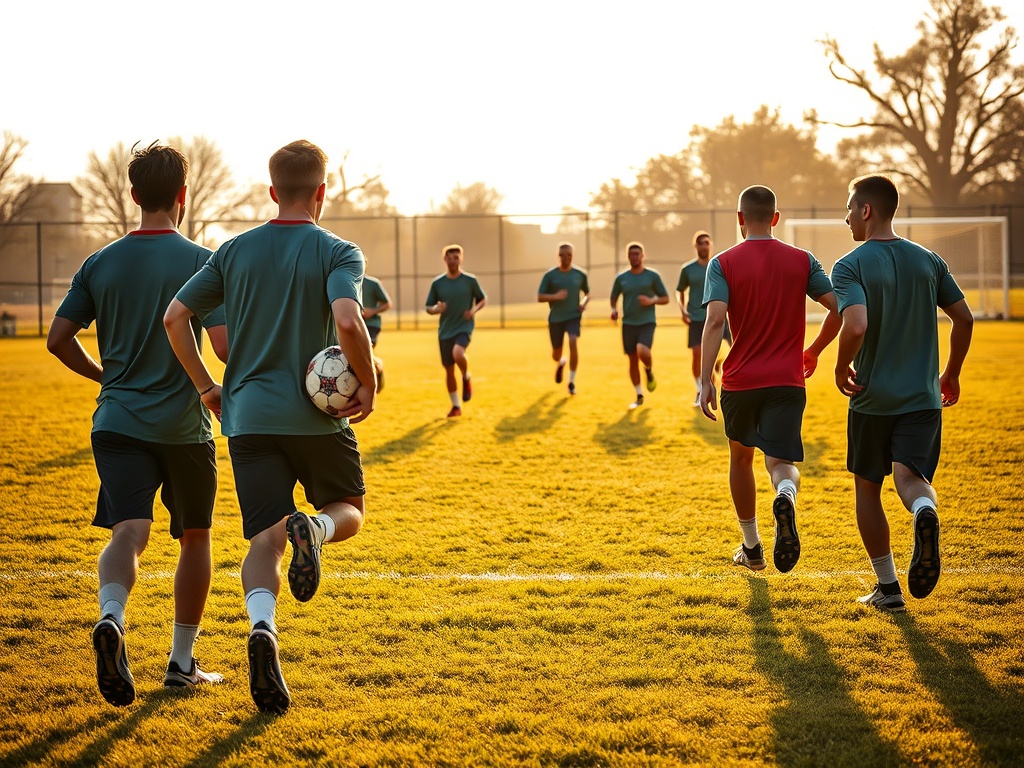
Stamina is the ability to repeat useful effort without a sharp drop in quality. In soccer, basketball, distance running, rowing, swimming, and tennis, stamina shows up as repeat sprints, controlled breathing, clean technique late in play, and the ability to make good decisions while tired. It is not the same thing as simply being exhausted for a long time. Productive stamina keeps movement accurate enough to matter.
Speed is different. It usually decides who reaches space, a ball, a finish line, or a defensive angle first. Strength decides how well an athlete produces force, absorbs contact, accelerates, jumps, throws, or holds position. Skill is the learned control that turns physical ability into sport-specific success. Strategy is the ability to choose the right action at the right time.
Where Each Quality Usually Matters Most
Endurance sports such as distance running, cycling, swimming, and rowing reward stamina because the contest lasts long enough for pacing, aerobic fitness, and efficiency to decide outcomes. Sprinting, short-track events, many racket exchanges, and field-sport breakaways reward speed because the decisive moment can be finished in seconds.
Combat sports, football line play, rugby collisions, throwing events, and many gym-based sports lean heavily on strength and power. Precision sports such as golf, archery, darts, bowling, and billiards reward refined skill and repeatable technique. Team invasion sports, chess-like esports, and high-level racket sports reward strategy because decisions, spacing, anticipation, and risk selection shape the result.
Comparison Snapshot For Newcomers
| Quality | Sports where it is often decisive | What beginners should observe |
|---|---|---|
| Stamina | Distance running, soccer, rowing, swimming, basketball | Does technique stay useful late in play? |
| Speed | Sprints, breakaways, racket reactions, base running | Who wins the first step or reaches space first? |
| Strength | Rugby, football line play, throws, combat sports | Who controls contact, force, or body position? |
| Skill | Golf, archery, tennis, bowling, cue sports | Who repeats precise actions under pressure? |
| Strategy | Team sports, esports, chess-like game formats | Who chooses better options as situations change? |
Common Misreadings That Lead To Bad Training
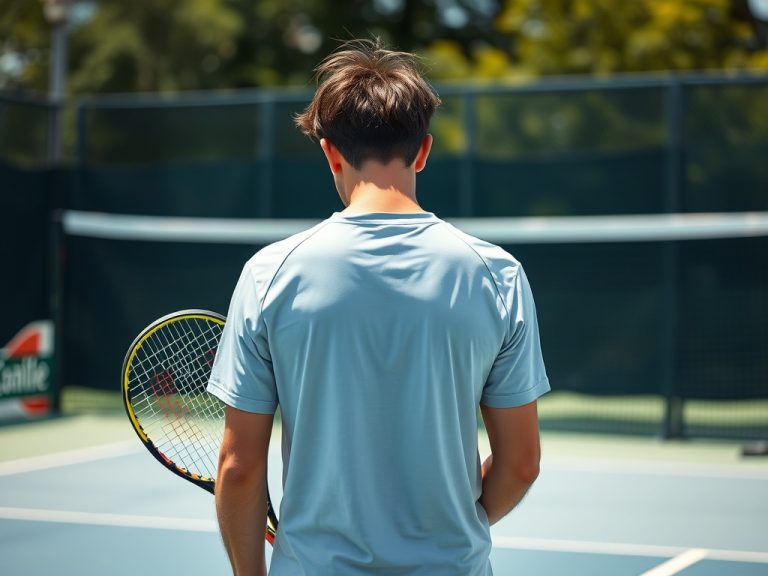
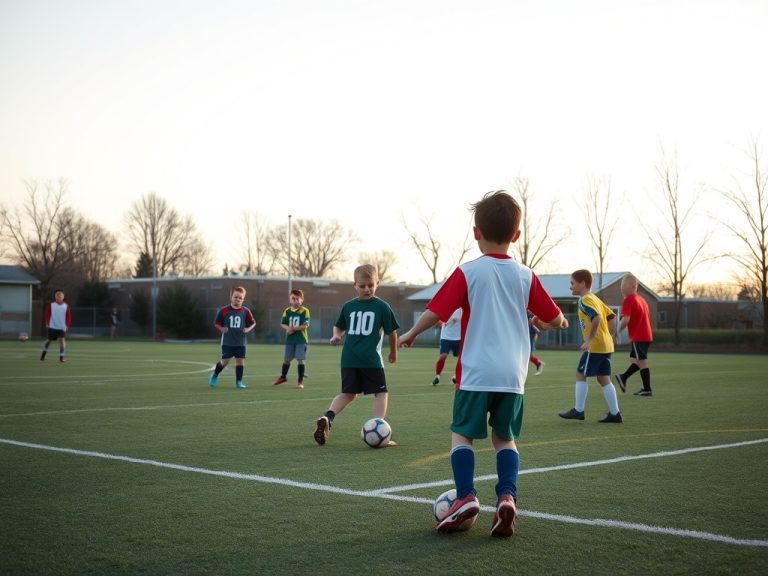
A beginner may watch a sport and overvalue the most visible quality. A soccer player looks fast during a counterattack, but the run only matters because positioning, timing, touch, and decision-making created the opening. A tennis player may look powerful, but the point often turns on footwork, shot selection, and recovery between strokes.
Another mistake is copying elite training without context. A recreational player does not need the same workload as a professional. A more useful first step is to track how often fatigue, slow reactions, weak contact, poor technique, or bad decisions cost performance. That simple review points to the quality that needs the most attention.
How To Match Training To The Sport
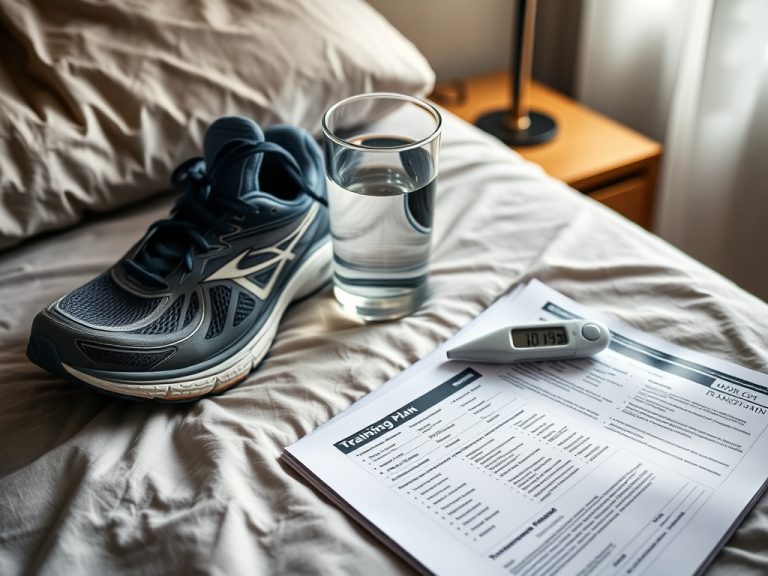
Begin with the competition format. Count the length of efforts, the amount of rest, the number of explosive actions, and the number of technical decisions. The World Health Organization physical activity guidance explains why regular activity supports health, but sport performance needs more specific planning layered on top.
If fatigue lowers quality, build stamina with gradual volume and intervals. If opponents beat you to space, train acceleration, reaction, and mechanics. If contact or force is the issue, add strength work that fits the sport. If mistakes happen under pressure, combine technique with decision-making drills and routines from How to Build Better Focus Between Points, Plays, and Rounds.
A Smarter First Training Priority
The safest answer is not to train everything equally. Choose the one quality that most often limits your performance right now, then maintain the others. A new athlete might benefit from Beginner’s Guide to Training Volume: How Much Practice Is Too Much? before adding extra sessions, while a gear-focused athlete can compare whether equipment upgrades help by reading Are Expensive Tennis Strings, Golf Balls, and Cycling Kits Worth It?.
For most people, the best sport is not only the one that rewards their strongest trait. It is the one where they enjoy improving the weaker traits enough to keep showing up.
Applying The Five-Quality Lens This Month
Use the five-quality lens during one full week of practice or play. After each session, write one sentence about whether stamina, speed, strength, skill, or strategy limited the result most. Do not choose the quality that felt most exciting. Choose the one that most clearly changed points, possessions, timing, or control.
Then match one training choice to that observation. If stamina failed, extend easy work or repeat moderate efforts with clean technique. If speed failed, shorten the drill and demand sharper first steps. If strength failed, add basic force production and landing work. If skill failed, slow the movement down. If strategy failed, add decision rules.
This method keeps training honest because it starts with evidence from play. It also helps mixed-sport athletes avoid copying a routine that belongs to another sport. A cyclist, tennis player, goalkeeper, and esports competitor may all train hard, but the hard work should point at different performance problems.
At the end of the month, review which quality appeared most often. That pattern should shape your next block of training more than a highlight clip or a friend’s workout plan.
Practical FAQ
Can one sport reward all five qualities?
Yes, but not equally. Basketball, soccer, tennis, and hockey all use stamina, speed, strength, skill, and strategy. The deciding quality changes by position, level, and match situation, so athletes should study the moments that actually decide outcomes.
Should beginners train their weakest trait first?
Usually, beginners should improve the trait that limits safe and effective participation first. A player who cannot sustain practice needs stamina. A player who cannot control basic technique needs skill. A player who cannot read the game needs simpler tactical rules.
How often should the priority change?
Review it every four to six weeks. A training priority should stay long enough to create adaptation, but not so long that the athlete ignores new evidence from competition.
Field Note
A final field note: do not treat the five qualities as personality labels. A player may enter a sport with natural speed but still need strategy to use it. Another may lack power but become valuable through skill, timing, and stamina. Revisit the categories after competition, because the sport will often reveal a different priority than the athlete expected.
Context Check
Context check: if two athletes choose the same sport for different reasons, their training priorities may still differ. One may need stamina to finish practices well, while another needs skill to reduce errors. Use the sport’s demands as a guide, then personalize the work around the athlete’s actual limitation.
A Useful Starting Point
Choose one sport you enjoy, watch what actually decides points or results, and build your next month of training around that demand.