

The best production model depends on how much control the event needs over broadcast quality, remote engagement, technical staffing, onsite movement, rehearsal time, and contingency planning. The fastest useful answer is to turn the topic into a decision system with owners, evidence, deadlines, and clear assumptions before the team commits money or public promises.
TL;DR: For this comparison topic, the practical goal is not more planning paperwork. It is a clearer path from uncertainty to a defensible event decision.
Best results come from matching the event technology, virtual & hybrid work to the audience stage: Solution-Aware, middle funnel.
This article is for informational and educational use only. It is not legal, financial, travel, immigration, insurance, security, accessibility, or contractual advice. Event teams should verify requirements with official organizers, venues, ticketing providers, insurers, local authorities, and qualified professionals before making commitments.
The real difference between the two production models
Teams often feel pressure to move quickly because dates, deposits, sponsors, speakers, guests, and vendors all appear to demand immediate answers. In practice, speed without structure can make the work slower. A narrow review of hybrid event production comparison gives the team a shared language for what is known, what is assumed, and what still needs proof.
Strong planning separates verified facts from judgment calls. Confirmed venue rules, published access policies, approved insurance documents, and signed vendor scopes are facts. Opinions about atmosphere, audience enthusiasm, or perceived value should be treated as informed interpretations unless there is direct evidence. That distinction protects the team from building a plan around wishful thinking.
A useful next step is to connect the topic to adjacent planning work instead of treating it as a standalone concern. For example, teams reviewing this issue can also study Best Practices for Permits, Insurance, And Compliance Requirements in Modern Event Planning so the operational choices support the larger event experience rather than creating a separate layer of complexity.
The planning team should write down the minimum decision criteria before discussing solutions. Criteria can include attendee safety, accessibility, cost control, staffing feasibility, production quality, venue restrictions, data capture, guest comfort, and sponsor expectations. Different events will weigh those factors differently, so the ranking should be explicit rather than assumed.
Side-by-side decision factors for hybrid teams
The practical review starts with a short diagnostic. Ask what decision is being delayed, what evidence would make the team confident, who owns the missing information, and what deadline will change the quality of the decision. This keeps the conversation close to action instead of turning it into a general complaint about planning complexity.
- Define the event objective in one sentence and remove side goals that are not approved.
- List the assumptions that affect budget, venue, access, staffing, safety, promotion, and attendee experience.
- Assign one owner to each assumption and require a source, decision, or documented risk response.
- Mark dependencies that can delay other work, such as permits, production access, load-in timing, creative approvals, or ticketing setup.
- Create a small review rhythm so open items are closed before public promises grow larger.
For safety and operating structure, many event teams benefit from reading official planning resources alongside their internal notes. The CISA venue security guidance is a useful reference because it frames event planning as a coordinated effort across roles, risks, access needs, and response procedures.
This diagnostic should stay short enough to use in a real meeting. A bloated worksheet often becomes a storage place for worries. A better version forces decisions: continue, pause, redesign, reduce scope, get specialist support, or accept a documented risk with approval from the right stakeholder.
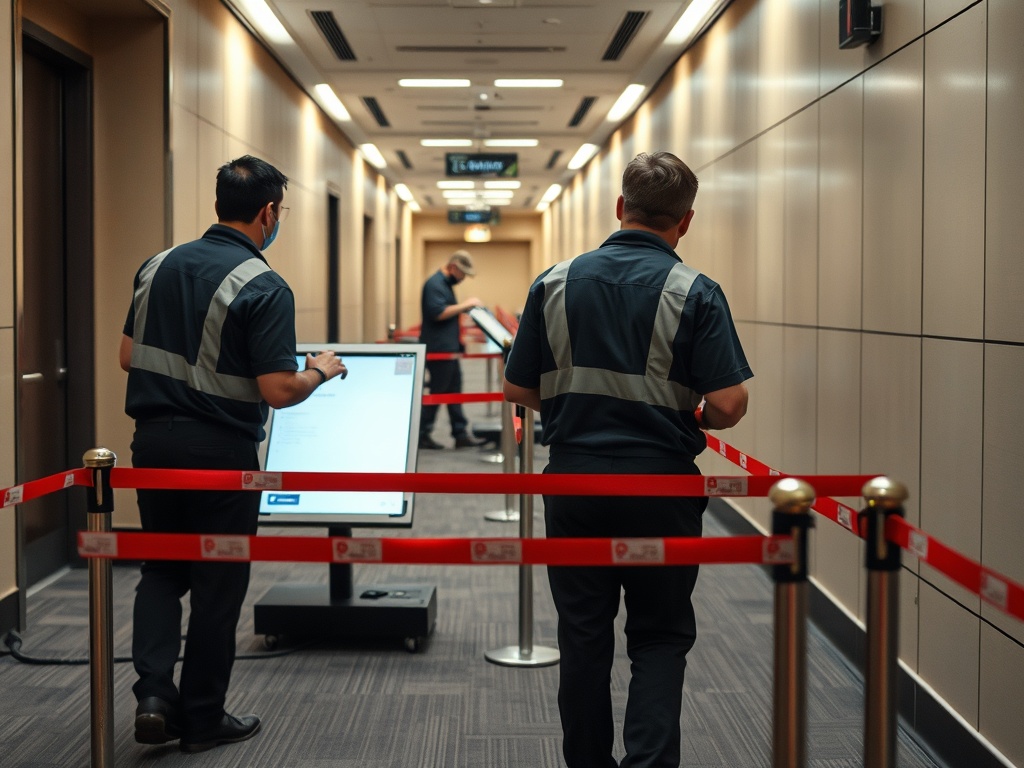
When a studio-led model fits better
The first improvements should target the areas that create the largest number of downstream problems. In most event plans, those are not glamorous items. They are scope definition, venue constraints, staffing coverage, access routes, budget ownership, guest communications, and contingency paths. Fixing those items early gives creative and promotional work a sturdier base.
| Review area | Question to ask | Useful output |
|---|---|---|
| Scope | What is included, excluded, optional, and still undecided? | A written scope with assumptions marked clearly |
| Ownership | Who can approve changes and who must only be informed? | A decision map that avoids hallway approvals |
| Operations | What must happen before doors open and after the event closes? | A sequence of owners, times, locations, and backups |
| Guest impact | Where could attendees, speakers, VIPs, sponsors, or staff feel confused? | A communication and service-recovery plan |
| Risk | Which issue would harm safety, access, budget, or reputation most quickly? | A response path with escalation rules |
A table like this is not a substitute for formal risk, legal, insurance, accessibility, or security review. It is a practical organizer. It helps the team see where the planning record is strong and where the next conversation should happen with a venue, vendor, public authority, insurer, or experienced specialist.
Teams that need a wider perspective can compare these decisions with VIP Experience Mistakes That Lead to Premium guests feel unmanaged, especially when the event format, audience expectations, or retail-style activation model affects staffing and budget choices.
When venue-led production can be enough
Outside support becomes useful when the issue carries a high consequence, the team lacks direct experience, or the venue requires specialist documentation. That can include production engineering, crowd management, accessibility review, insurance guidance, permit strategy, security planning, ticketing rules, union labor requirements, or technical broadcast support. The point is not to outsource judgment. It is to get reliable inputs before the organization commits to a fragile path.
Accessibility deserves early attention rather than late accommodation. The ADA National Network temporary events accessibility guide explains common temporary-event barriers and planning strategies, which can help teams ask better questions before layout, ticketing, seating, signage, staffing, and communication decisions are locked.
A sensible escalation rule is simple: if the decision affects safety, legal exposure, access, public claims, large deposits, sponsor commitments, or the ability to operate the event, do not rely on informal confidence. Document the question, identify the authority, and retain the answer in the planning file.
This also applies to subjective decisions. A team can prefer a more intimate room, a higher-touch VIP path, a studio-led hybrid format, or a smaller pop-up footprint. Those may be good choices, but they should be described as strategic preferences supported by event goals, not universal facts that apply to every event.
Choosing without overspending or under-controlling risk
The final planning move is to turn the review into a decision note. Keep it concise: the recommended direction, the evidence used, the open risks, the owners, the approval needed, and the next review date. This prevents the same uncertainty from returning in every meeting with a new label.
If the issue connects to field execution, use Top Tools and Templates for Post-Event Feedback in Event Operations as a companion topic so the planning record reflects what will actually happen when vendors, guests, staff, equipment, and venue teams are in motion.
The team should also decide what will not be measured. Too many metrics can make feedback hard to use. Select a few indicators that match the decision: registration conversion, attendee wait time, session attendance, sponsor scans, staff incident notes, VIP check-in accuracy, post-event survey themes, or budget variance. The right measure depends on the event purpose and should be chosen before the event, not after the result is already known.
Choose the model after comparing production risk, onsite control, remote audience expectations, recording needs, staffing depth, and the venue’s actual technical readiness.